THE ADVENTURE COLLECTIVE® · Independent discovery and booking for outdoor travel

A single-day escape from Marrakech into the High Atlas to visit Berber families, ride a camel, and hike to the Setti Fatma waterfalls. Expect river-cut canyons, local tea rituals, and a moderate nine-hour outing with guided transport and lunch.
A single-day escape from Marrakech into the High Atlas to visit Berber families, ride a camel, and hike to the Setti Fatma waterfalls. Expect river-cut canyons, local tea rituals, and a moderate nine-hour outing with guided transport and lunch.
The morning road unfurls out of Marrakech and into the High Atlas; the air cools, olive groves thin, and the valley opens like a hand. You step from the vehicle into stacked earthen houses and the scent of wood smoke, greeted by a guide who moves between languages as easily as the paths climb. From a Berber roof the village drops away beneath you and the river begins its steady insistence, daring you toward the cedar-scented slopes.
Verified experiences and guided adventures in the surrounding area.
Operated by Moroccan Nature Trail · Setti Fatma, Marrakech-Safi
The morning road unfurls out of Marrakech and into the High Atlas; the air cools, olive groves thin, and the valley opens like a hand. You step from the vehicle into stacked earthen houses and the scent of wood smoke, greeted by a guide who moves between languages as easily as the paths climb. From a Berber roof the village drops away beneath you and the river begins its steady insistence, daring you toward the cedar-scented slopes.
Geology here is blunt: layered schist and sandstone folded by ancient uplift, cut by seasonal streams that carve the stepped cascades at Setti Fatma. Culturally the valley is shaped by Amazigh (Berber) life—tea ceremonies that pause the day, home-baked bread, and agricultural terraces clinging to the hills. The camel ride and short waterfall hike give a compact look at local livelihoods and landscape dynamics without requiring mountaineering skills.
Practical guidance: the tour is a full 9-hour day with moderate walking on uneven stone steps and dirt trails; allow extra time for photography and the tea ritual. Wear grippy shoes and layers—mornings can be cool, afternoons warm. Bring water, a light rain layer in spring, and small bills to tip or buy crafts. Respect private homes: ask before photographing people and follow your guide on route choices.
The experience balances a cultural encounter with straightforward outdoor movement—accessible, immersive, and best approached with curiosity and steady footwear.
moderate.
9 hours (full day).
Moderate fitness; able to walk 30–60 minutes on uneven ground and climb stone steps.
The round-trip drive is roughly 45–75 minutes each way depending on traffic, with the full tour lasting about nine hours including stops.
The hike to the main cascades is short but involves uneven stone steps and some steep sections—suitable for most with moderate mobility.
Yes; the tour includes a traditional Berber breakfast, tea ceremony, and a Moroccan lunch with vegetarian options if requested in advance.
Children are welcome but must be accompanied by an adult; consider mobility and sun exposure for younger kids.
The Ourika Valley has long been inhabited by Amazigh (Berber) communities who farm terraced plots and maintain tea and bread traditions tied to seasonal mountain rhythms.
Tourism is concentrated on a few trails—stick to designated paths, avoid single-use plastics, and support local guides to keep economic benefits in the valley.
Moroccan Nature Trail operates guided outdoor trips and adventures with an emphasis on safety, stewardship, and memorable experiences.
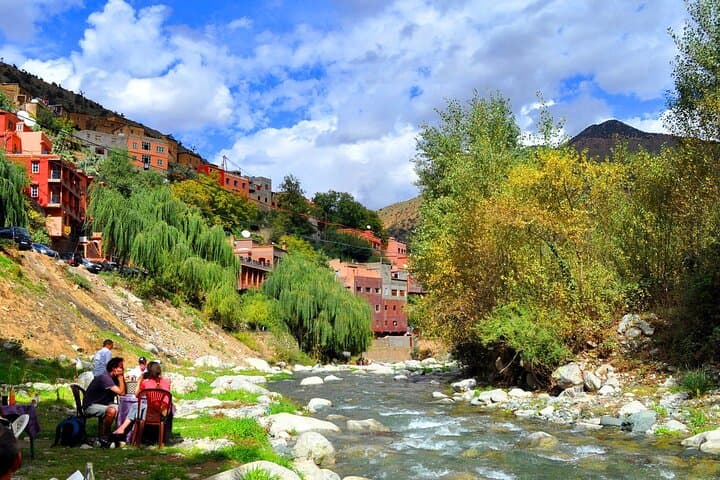
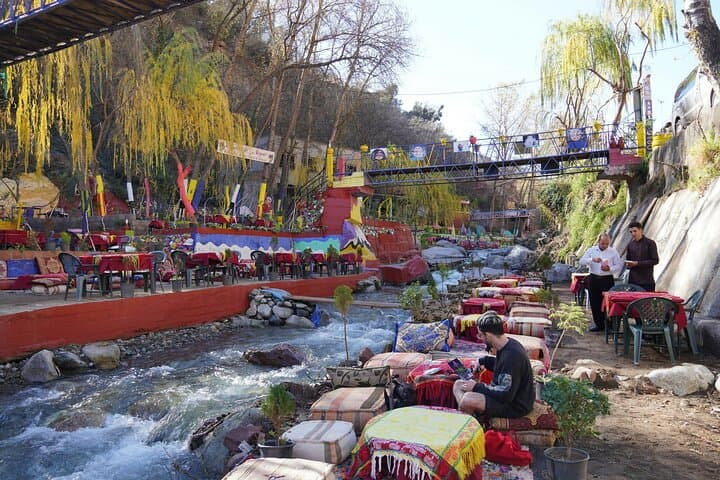
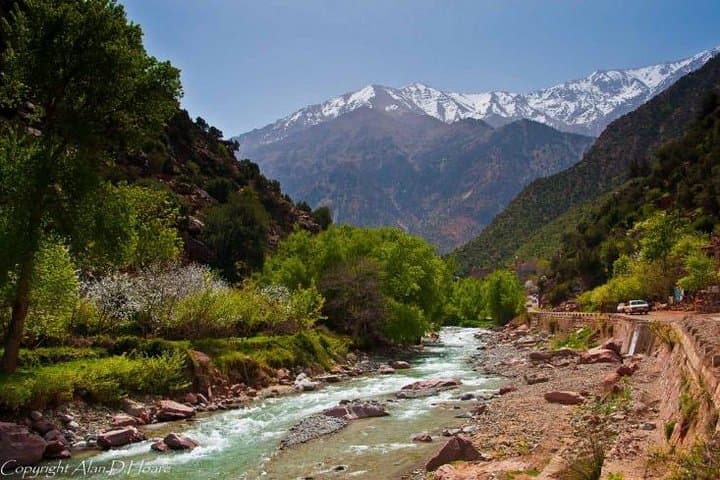
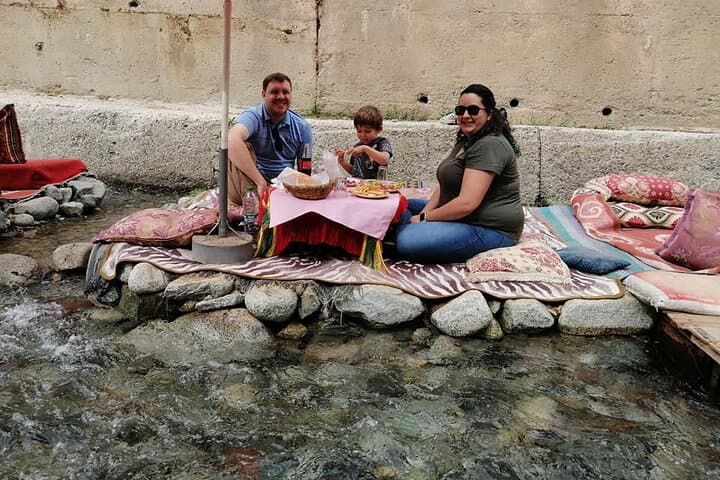
The morning road unfurls out of Marrakech and into the High Atlas; the air cools, olive groves thin, and the valley opens like a hand. You step from the vehicle into stacked earthen houses and the scent of wood smoke, greeted by a guide who moves between languages as easily as the paths climb. From a Berber roof the village drops away beneath you and the river begins its steady insistence, daring you toward the cedar-scented slopes.
The morning road unfurls out of Marrakech and into the High Atlas; the air cools, olive groves thin, and the valley opens like a hand. You step from the vehicle into stacked earthen houses and the scent of wood smoke, greeted by a guide who moves between languages as easily as the paths climb. From a Berber roof the village drops away beneath you and the river begins its steady insistence, daring you toward the cedar-scented slopes.
Geology here is blunt: layered schist and sandstone folded by ancient uplift, cut by seasonal streams that carve the stepped cascades at Setti Fatma. Culturally the valley is shaped by Amazigh (Berber) life—tea ceremonies that pause the day, home-baked bread, and agricultural terraces clinging to the hills. The camel ride and short waterfall hike give a compact look at local livelihoods and landscape dynamics without requiring mountaineering skills.
Practical guidance: the tour is a full 9-hour day with moderate walking on uneven stone steps and dirt trails; allow extra time for photography and the tea ritual. Wear grippy shoes and layers—mornings can be cool, afternoons warm. Bring water, a light rain layer in spring, and small bills to tip or buy crafts. Respect private homes: ask before photographing people and follow your guide on route choices.
The experience balances a cultural encounter with straightforward outdoor movement—accessible, immersive, and best approached with curiosity and steady footwear.