THE ADVENTURE COLLECTIVE® · Independent discovery and booking for outdoor travel

Escape Marrakech for a full-day trip into the Ourika Valley: a Monday Berber souk, argan cooperative visit and a shaded 1.5-hour hike to Setti Fatma’s waterfalls. Practical details on timing, terrain and what to bring for a seamless day in the High Atlas foothills.
Escape Marrakech for a full-day trip into the Ourika Valley: a Monday Berber souk, argan cooperative visit and a shaded 1.5-hour hike to Setti Fatma’s waterfalls. Practical details on timing, terrain and what to bring for a seamless day in the High Atlas foothills.
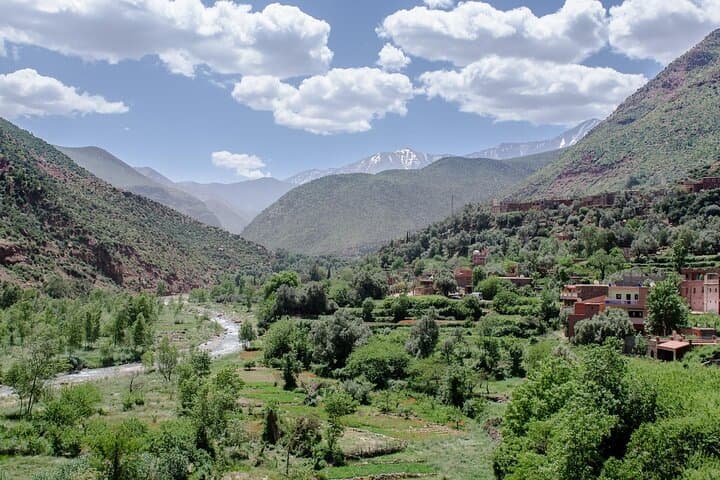
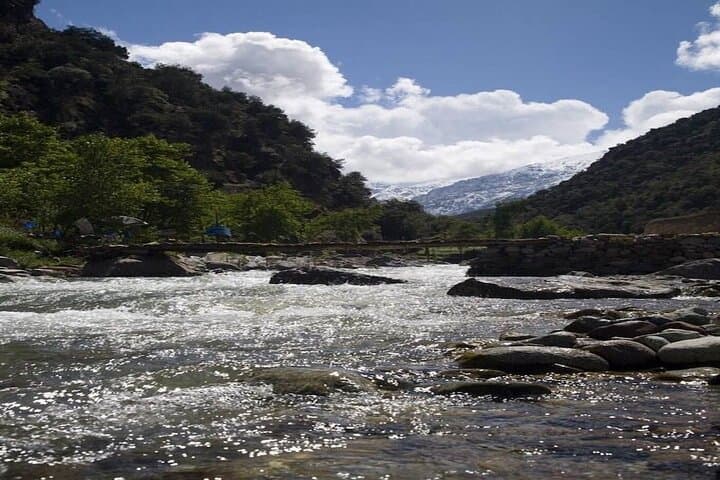
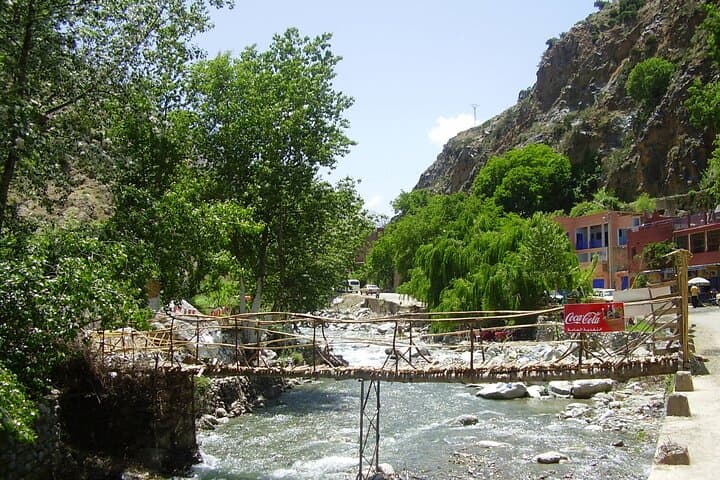
A dust-slicked road peels away from Marrakech and climbs into the first foothills of the High Atlas. By midmorning the air cools and the Ourika River calls from the valley floor; poplars and walnut trees throw long shade and the stream dares you to follow its course upstream.
Verified experiences and guided adventures in the surrounding area.
Operated by Marrakech Happy tours · Marrakech, Marrakech-Safi
A dust-slicked road peels away from Marrakech and climbs into the first foothills of the High Atlas. By midmorning the air cools and the Ourika River calls from the valley floor; poplars and walnut trees throw long shade and the stream dares you to follow its course upstream.
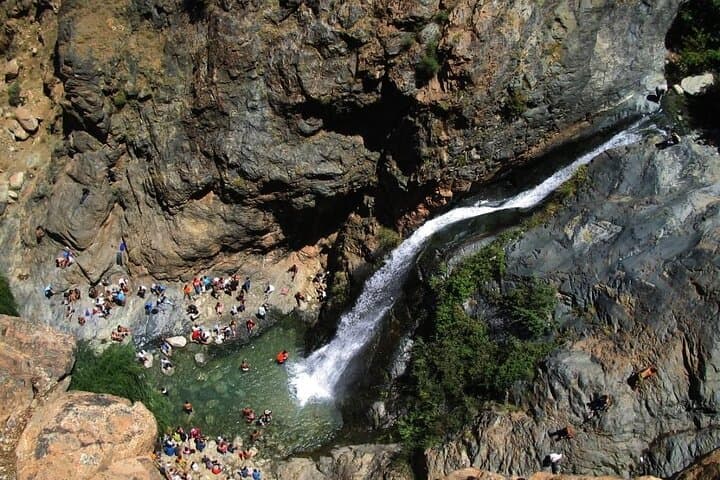
The valley was carved by seasonal torrents and sits at the edge of older folded High Atlas rocks; terraces and douars cling to slopes where centuries of Berber life have adapted to thin soils and abundant water. Tnine-Ourika’s Monday souk still sells livestock, spices and woven goods—an open-air ledger of local commerce. In Setti Fatma, a small village at roughly 1,500 m, a string of seven cascades drops through shaded gullies, reachable by a roughly 1.5-hour climb on uneven, often rocky trails that gain a few hundred meters of elevation.
Cultural stops are part of the rhythm: an argan cooperative demonstration, a visit to a Berber house and a riverside lunch where tajine cools beside flowing water. Expect photo stops on winding roads that look down over the valley’s green ribbon.
Practical guidance: plan for an 8–9 hour day, bring sturdy footwear and 1–2 liters of water, and carry small change for markets and tips. The walk to the falls is moderate—good shoes and steady footing matter. Arrive early from Marrakech to beat crowds at the souk and to enjoy the cool of the morning in the river valley.
moderate.
8–9 hours.
Suitable for those with a moderate fitness level who can handle a 1.5-hour uphill walk and uneven terrain.
The drive typically takes 45–75 minutes each way depending on traffic and the exact pickup point in Marrakech.
The notable weekly souk at Tnine-Ourika takes place on Mondays; other villages may have markets on different days.
The 1.5-hour ascent has uneven sections and short steep pitches; it’s manageable for active children and seniors with care, but not recommended for those with serious mobility issues.
Lunch at a riverside restaurant is usually included or arranged by the operator, but verify on booking and bring cash for drinks or extras.
The Ourika Valley has long been a seasonal agricultural corridor for Berber communities and a traditional route into the High Atlas, with villages that maintain ancestral farming and craft practices.
Visitors should stick to marked trails and avoid disturbing riverine vegetation; local cooperatives help sustain argan harvesting and community incomes.
Marrakech Happy tours operates guided outdoor trips and adventures with an emphasis on safety, stewardship, and memorable experiences.
A dust-slicked road peels away from Marrakech and climbs into the first foothills of the High Atlas. By midmorning the air cools and the Ourika River calls from the valley floor; poplars and walnut trees throw long shade and the stream dares you to follow its course upstream.
A dust-slicked road peels away from Marrakech and climbs into the first foothills of the High Atlas. By midmorning the air cools and the Ourika River calls from the valley floor; poplars and walnut trees throw long shade and the stream dares you to follow its course upstream.
The valley was carved by seasonal torrents and sits at the edge of older folded High Atlas rocks; terraces and douars cling to slopes where centuries of Berber life have adapted to thin soils and abundant water. Tnine-Ourika’s Monday souk still sells livestock, spices and woven goods—an open-air ledger of local commerce. In Setti Fatma, a small village at roughly 1,500 m, a string of seven cascades drops through shaded gullies, reachable by a roughly 1.5-hour climb on uneven, often rocky trails that gain a few hundred meters of elevation.
Cultural stops are part of the rhythm: an argan cooperative demonstration, a visit to a Berber house and a riverside lunch where tajine cools beside flowing water. Expect photo stops on winding roads that look down over the valley’s green ribbon.
Practical guidance: plan for an 8–9 hour day, bring sturdy footwear and 1–2 liters of water, and carry small change for markets and tips. The walk to the falls is moderate—good shoes and steady footing matter. Arrive early from Marrakech to beat crowds at the souk and to enjoy the cool of the morning in the river valley.