THE ADVENTURE COLLECTIVE® · Independent discovery and booking for outdoor travel

Escape Marrakech for a day in the High Atlas foothills: walk riverside trails to Setti Fatma’s waterfalls, sample Berber cuisine by the water, and learn argan oil-making at a local cooperative. This practical guide covers what to expect, what to pack, and how to time your visit.
Escape Marrakech for a day in the High Atlas foothills: walk riverside trails to Setti Fatma’s waterfalls, sample Berber cuisine by the water, and learn argan oil-making at a local cooperative. This practical guide covers what to expect, what to pack, and how to time your visit.
Dusty road gives way to river voice as the minibus drops you into the lower slopes of the High Atlas. The Ourika River dares you forward—pushing through palm groves, irrigated terraces, and clusters of whitewashed houses clinging to the valley sides. By late morning the village of Setti Fatma smells of wet stone and grilled lamb; the spray from the waterfalls cools the air.
Verified experiences and guided adventures in the surrounding area.
Operated by Sahara Sights Tours · Marrakech, Marrakech-Safi
Dusty road gives way to river voice as the minibus drops you into the lower slopes of the High Atlas. The Ourika River dares you forward—pushing through palm groves, irrigated terraces, and clusters of whitewashed houses clinging to the valley sides. By late morning the village of Setti Fatma smells of wet stone and grilled lamb; the spray from the waterfalls cools the air.
This valley has long been a weekend refuge for Marrakchis and a working landscape for Amazigh (Berber) families who tend orchards and terraces. Geologically the valley is a carved incision in the Atlas foothills—shallow gorges, exposed schist and granite beds, and step-like terraces shaped by centuries of runoff and seasonal floods. Culture here centers on cooperative work: watch women’s argan presses where nuts are transformed into oil by hand, and browse small markets selling pottery and woven goods.
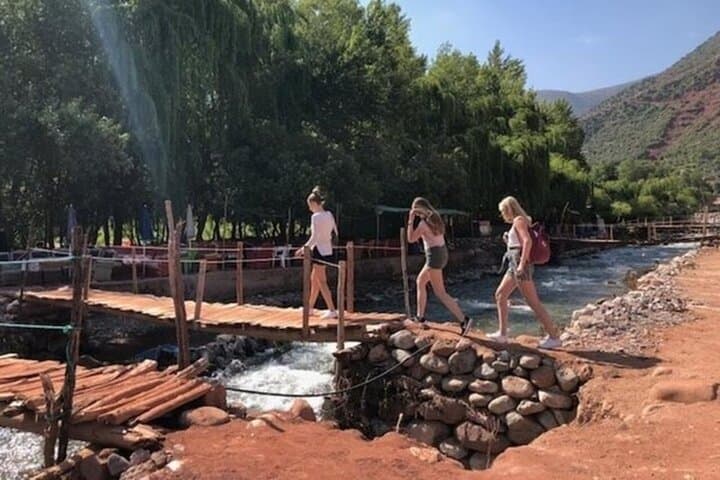
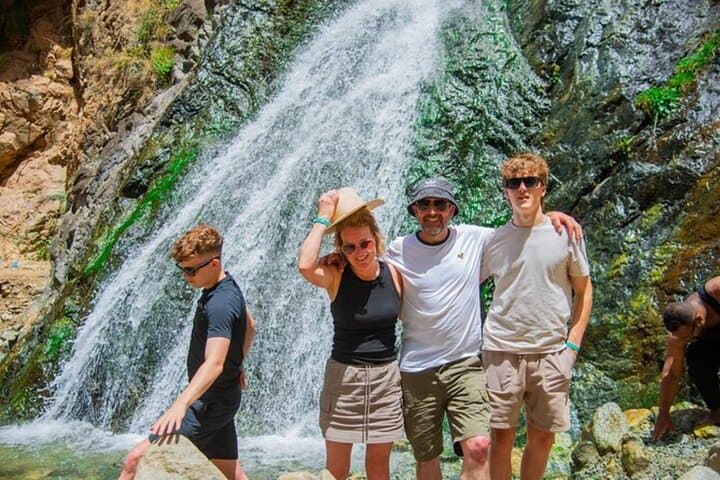
Practicalities: the full trip from Marrakech typically takes 7–9 hours including transport, lunch, and a hike to the waterfalls. The most-visited trail to the seven falls is a rocky, occasionally steep path of roughly 2–4 km round-trip with an approximate 200–400 m of uphill sections—expect uneven stone steps and river crossings. Bring sturdy shoes, sun protection, and cash for cooperative stalls and small cafés. Arrive earlier in the day to avoid crowds and heat; allow extra time for swimming in natural pools if conditions permit. Respect local customs—dress modestly in villages and ask before photographing people. With a bit of preparation, the Ourika Valley is an accessible day outside Marrakech that mixes easy cultural encounters with a short, rewarding mountain hike.
moderate.
7–9 hours.
Suitable for people with basic fitness; requires short uphill walking on uneven terrain and several moderate steps.
The main route to the waterfalls is typically a 2–4 km round-trip with uneven stone steps and short steep sections; allow 45–90 minutes depending on pace and stops.
The valley and riverside restaurants are accessible, but the waterfall trail includes uneven terrain and stairs; families with small children or limited mobility should remain in the village area or ask about easier viewpoints.
Swimming is possible in warmer months when water flow allows, but check local conditions and avoid strong currents—temperatures can still be cool even in summer.
This day trip typically includes hotel pickup and a riverside lunch, plus transport in an air-conditioned vehicle—confirm specifics with the operator when booking.
The Ourika Valley has been inhabited by Amazigh (Berber) communities for centuries; traditional terrace agriculture and small hamlets reflect long-standing mountain livelihoods.
The valley faces seasonal erosion and pressure from tourism; support local cooperatives and stick to marked trails to minimize impact.
Sahara Sights Tours operates guided outdoor trips and adventures with an emphasis on safety, stewardship, and memorable experiences.
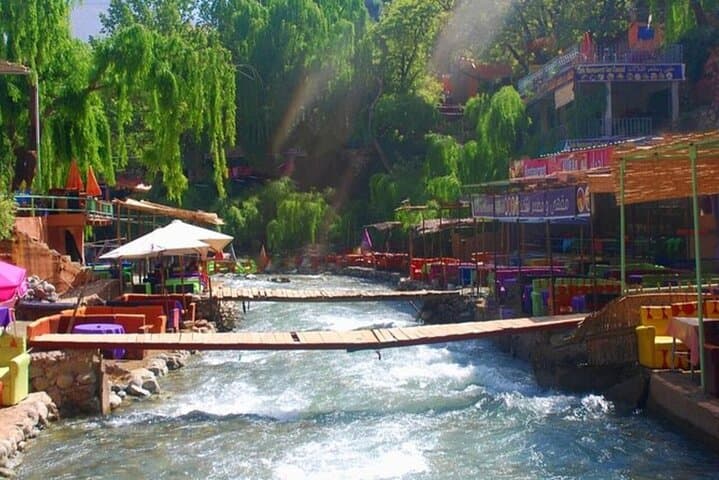
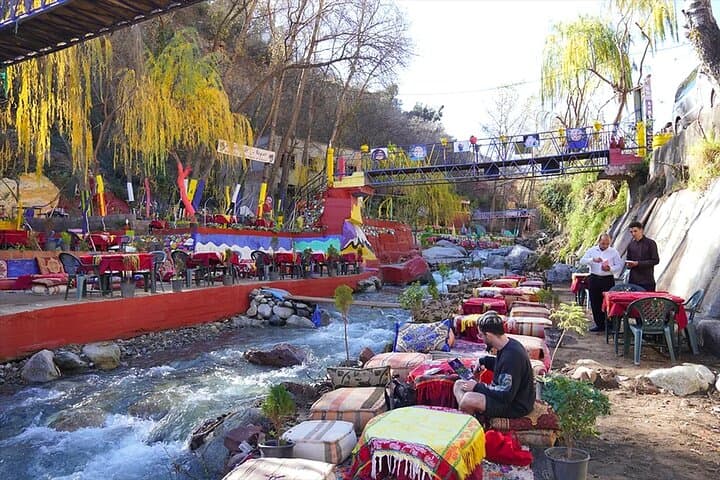
Dusty road gives way to river voice as the minibus drops you into the lower slopes of the High Atlas. The Ourika River dares you forward—pushing through palm groves, irrigated terraces, and clusters of whitewashed houses clinging to the valley sides. By late morning the village of Setti Fatma smells of wet stone and grilled lamb; the spray from the waterfalls cools the air.
Dusty road gives way to river voice as the minibus drops you into the lower slopes of the High Atlas. The Ourika River dares you forward—pushing through palm groves, irrigated terraces, and clusters of whitewashed houses clinging to the valley sides. By late morning the village of Setti Fatma smells of wet stone and grilled lamb; the spray from the waterfalls cools the air.
This valley has long been a weekend refuge for Marrakchis and a working landscape for Amazigh (Berber) families who tend orchards and terraces. Geologically the valley is a carved incision in the Atlas foothills—shallow gorges, exposed schist and granite beds, and step-like terraces shaped by centuries of runoff and seasonal floods. Culture here centers on cooperative work: watch women’s argan presses where nuts are transformed into oil by hand, and browse small markets selling pottery and woven goods.
Practicalities: the full trip from Marrakech typically takes 7–9 hours including transport, lunch, and a hike to the waterfalls. The most-visited trail to the seven falls is a rocky, occasionally steep path of roughly 2–4 km round-trip with an approximate 200–400 m of uphill sections—expect uneven stone steps and river crossings. Bring sturdy shoes, sun protection, and cash for cooperative stalls and small cafés. Arrive earlier in the day to avoid crowds and heat; allow extra time for swimming in natural pools if conditions permit. Respect local customs—dress modestly in villages and ask before photographing people. With a bit of preparation, the Ourika Valley is an accessible day outside Marrakech that mixes easy cultural encounters with a short, rewarding mountain hike.