THE ADVENTURE COLLECTIVE® · Independent discovery and booking for outdoor travel

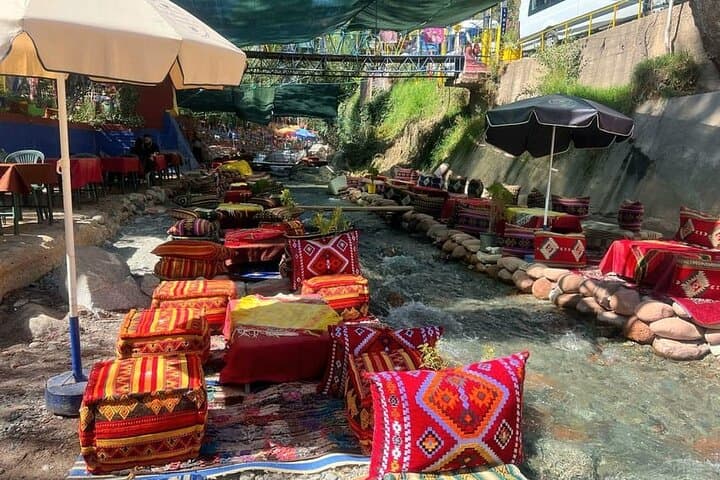
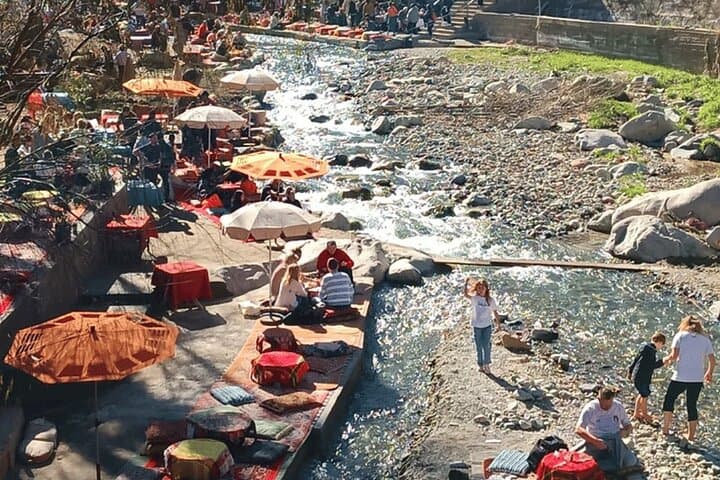
Escape Marrakech for a six-hour journey into the Ourika Valley to see Setti Fatma’s waterfalls, visit a women’s argan cooperative, and stroll riverside cafés and Berber hamlets. This accessible day trip blends easy walking with cultural insight and mountain scenery.
Escape Marrakech for a six-hour journey into the Ourika Valley to see Setti Fatma’s waterfalls, visit a women’s argan cooperative, and stroll riverside cafés and Berber hamlets. This accessible day trip blends easy walking with cultural insight and mountain scenery.
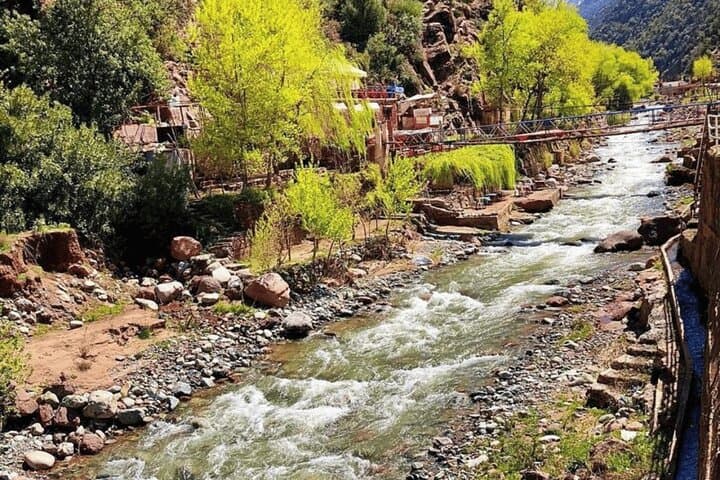
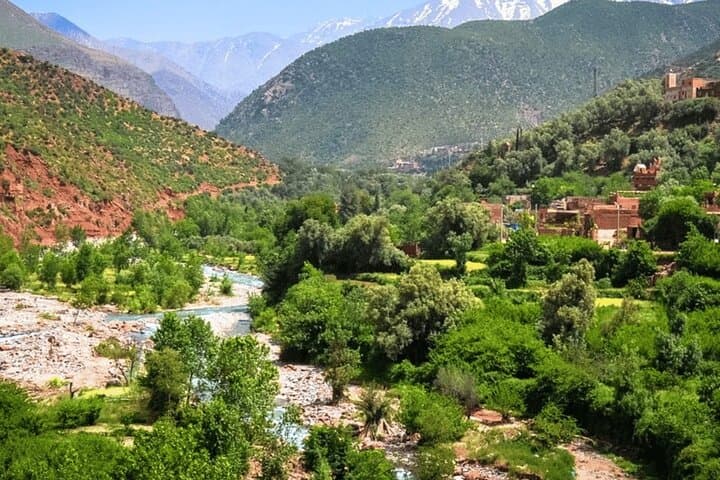
You leave Marrakech behind on a morning road punctuated by olive and argan groves, and the Atlas Mountains unfold like a low, patient wall ahead. The air sharpens as the van climbs; the Ourika River threads the valley below, daring you to slow down and listen to its current.
Verified experiences and guided adventures in the surrounding area.
Operated by Tours In Agadir · Setti Fatma, Marrakesh-Safi
You leave Marrakech behind on a morning road punctuated by olive and argan groves, and the Atlas Mountains unfold like a low, patient wall ahead. The air sharpens as the van climbs; the Ourika River threads the valley below, daring you to slow down and listen to its current.
The valley has long been home to Berber villages whose stone houses and terraced fields trace routes used for centuries. Geologically, the High Atlas here is composed of folded sedimentary rock uplifted and eroded into steep ridges and narrow river gorges—the waterfalls at Setti Fatma collect runoff from those slopes and release it in a series of clear, cool cascades.
Culture is visible at every stop: a women’s argan cooperative demonstrates hand-pressing methods that support local livelihoods, while a Monday souk revives an old trading rhythm where livestock, rugs, and produce change hands.
Practical guidance: the tour runs about six hours with hotel pickup in Marrakech and includes time for a riverside lunch and an optional guided hike to the falls. Trails near Setti Fatma are short but can be uneven and slippery—sturdy shoes and a light layer are wise. Bring water and sun protection; afternoons warm quickly in summer, while spring brings wildflowers and higher stream flows. Respect private terraces and remain on established paths to protect orchards and fragile soils. If you want photos with a quieter backdrop, aim for early in the day before the minibuses arrive.
This day trip is straightforward but rewarding: a compact mix of geology, living culture, and accessible mountain scenery less than an hour from Marrakech.
easy.
6 hours.
Suitable for most fitness levels; expect short walks of 10–45 minutes, some uneven footing
The trip is roughly 45–60 minutes each way depending on traffic and your hotel pickup point.
The guided hike is optional and short; paths are uneven and include stone steps but are suitable for most people with basic mobility.
Most itineraries include a riverside lunch at a local restaurant, but dietary requests should be noted at booking.
Yes—the tour typically includes a stop at a women’s cooperative where traditional argan oil production is demonstrated and local products are available to buy.
The Ourika Valley has been inhabited by Berber communities for centuries; many villages preserve clan-based land practices and traditional agriculture tied to the river.
Tourism supports local economies, but visitors should stay on trails, avoid littering, and purchase from cooperatives to ensure benefits remain local and help protect river habitats.
Tours In Agadir operates guided outdoor trips and adventures with an emphasis on safety, stewardship, and memorable experiences.
You leave Marrakech behind on a morning road punctuated by olive and argan groves, and the Atlas Mountains unfold like a low, patient wall ahead. The air sharpens as the van climbs; the Ourika River threads the valley below, daring you to slow down and listen to its current.
You leave Marrakech behind on a morning road punctuated by olive and argan groves, and the Atlas Mountains unfold like a low, patient wall ahead. The air sharpens as the van climbs; the Ourika River threads the valley below, daring you to slow down and listen to its current.
The valley has long been home to Berber villages whose stone houses and terraced fields trace routes used for centuries. Geologically, the High Atlas here is composed of folded sedimentary rock uplifted and eroded into steep ridges and narrow river gorges—the waterfalls at Setti Fatma collect runoff from those slopes and release it in a series of clear, cool cascades.
Culture is visible at every stop: a women’s argan cooperative demonstrates hand-pressing methods that support local livelihoods, while a Monday souk revives an old trading rhythm where livestock, rugs, and produce change hands.
Practical guidance: the tour runs about six hours with hotel pickup in Marrakech and includes time for a riverside lunch and an optional guided hike to the falls. Trails near Setti Fatma are short but can be uneven and slippery—sturdy shoes and a light layer are wise. Bring water and sun protection; afternoons warm quickly in summer, while spring brings wildflowers and higher stream flows. Respect private terraces and remain on established paths to protect orchards and fragile soils. If you want photos with a quieter backdrop, aim for early in the day before the minibuses arrive.
This day trip is straightforward but rewarding: a compact mix of geology, living culture, and accessible mountain scenery less than an hour from Marrakech.