THE ADVENTURE COLLECTIVE® · Independent discovery and booking for outdoor travel

Escape Marrakech for a cool day in the High Atlas: river-side cafés, a bustling Monday souk and a hike to seven cascading waterfalls above Setti Fatma. This accessible day trip blends Amazigh culture, geology and clear mountain water.
Escape Marrakech for a cool day in the High Atlas: river-side cafés, a bustling Monday souk and a hike to seven cascading waterfalls above Setti Fatma. This accessible day trip blends Amazigh culture, geology and clear mountain water.
The bus pulls out of Marrakech and the city’s heat and honking fade into the rise of the High Atlas. Olive groves slip past the windows, adobe villages cling to sun-baked slopes, and the river’s voice grows louder as you descend into the Ourika Valley. At Setti Fatma the air cools; a mountain stream dares you to follow it higher, toward a string of seven waterfalls that tumble from terraces of jasper and limestone.
Verified experiences and guided adventures in the surrounding area.
Operated by CHAMA LIMOUSINE · Ourika Valley, Marrakesh-Safi
The bus pulls out of Marrakech and the city’s heat and honking fade into the rise of the High Atlas. Olive groves slip past the windows, adobe villages cling to sun-baked slopes, and the river’s voice grows louder as you descend into the Ourika Valley. At Setti Fatma the air cools; a mountain stream dares you to follow it higher, toward a string of seven waterfalls that tumble from terraces of jasper and limestone.
The valley’s story is written in Amazigh households, terraced fields and small souks — Tnine de l'Ourika still runs on market days and trade that predates modern tourism. Geologically, the High Atlas is young and rugged; water has carved steep channels and exposed bedrock that gives each fall its different rhythm and color. Cultural highlights include the Amazigh ecomuseum in Tafza and the Monday market at Tnine, where local crafts and foods are traded in the shade of plane trees.
Practical planning is straightforward: most day trips leave Marrakech early and return by evening (about 8 hours total). Trails from Setti Fatma are stone-strewn and can be slippery after rain; expect short sections of steady uphill and simple river crossings. Bring closed-toe shoes, 1–2 liters of water, sun protection, cash for markets and a light layer for higher elevations. Pace your waterfall hike — the higher cascades require more scrambling and may be closed in wet conditions.
This is an accessible mountain day: immersive enough for hikers who want river walks and waterfall swims, compact enough for those coming straight from the city.
moderate.
8 hours.
Suitable for people comfortable with half-day walks and short uphill sections; some scrambling to reach upper falls.
The trip is about 30–45 minutes each way by car from central Marrakech, with total excursion time around eight hours including stops.
Lower pools are commonly used for quick dips; check local signage and avoid swimming after heavy rains or where currents look strong.
The main market in Tnine de l'Ourika is traditionally held on Mondays, though small village markets and vendors operate more frequently.
Many parts are family-friendly, especially riverside cafés and lower waterfall sections; upper cascades require steadier footing and may be challenging for limited mobility.
The valley is historically populated by Amazigh (Berber) communities whose terraced farming and market traditions remain central to daily life.
Visitors should stick to trails, avoid littering and minimize water pollution; supporting local guides and small businesses helps keep tourism benefits local.
CHAMA LIMOUSINE operates guided outdoor trips and adventures with an emphasis on safety, stewardship, and memorable experiences.
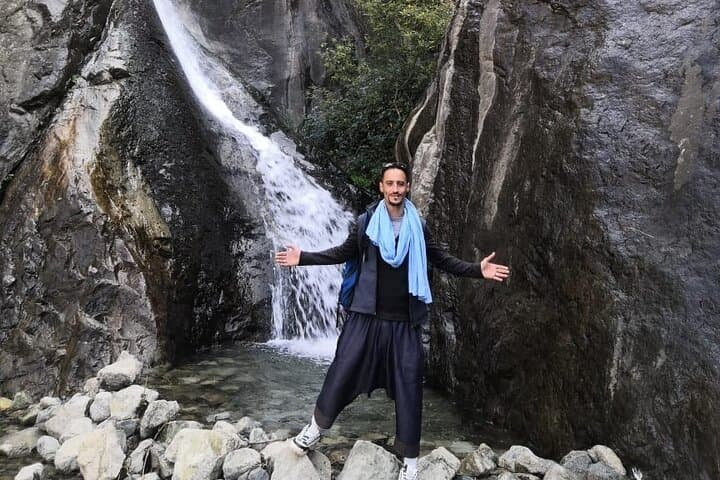
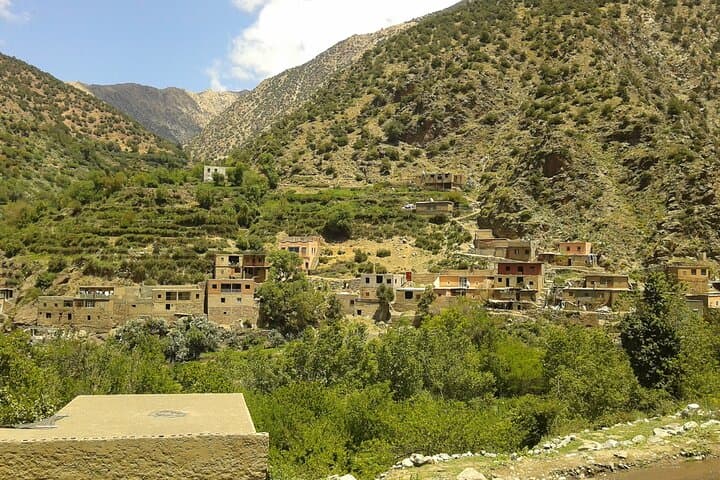
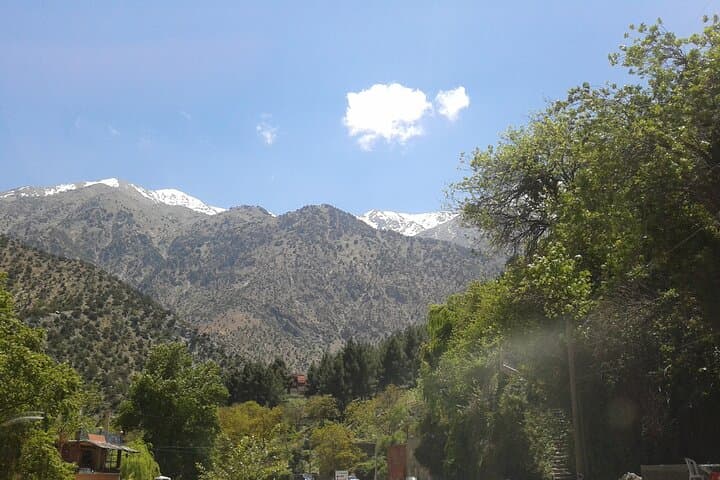
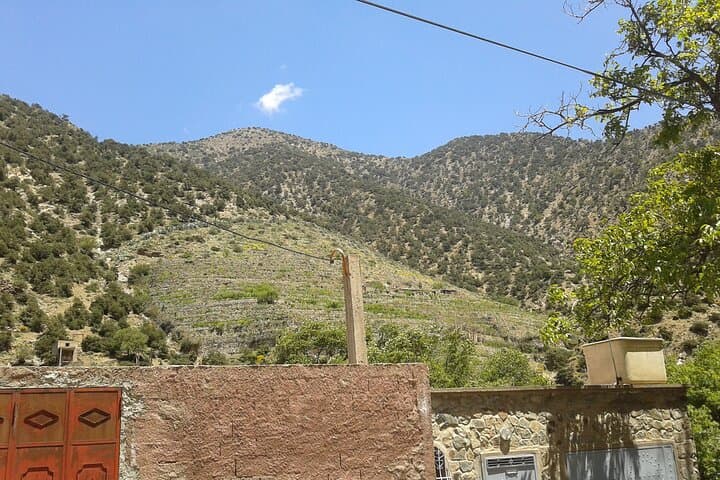
The bus pulls out of Marrakech and the city’s heat and honking fade into the rise of the High Atlas. Olive groves slip past the windows, adobe villages cling to sun-baked slopes, and the river’s voice grows louder as you descend into the Ourika Valley. At Setti Fatma the air cools; a mountain stream dares you to follow it higher, toward a string of seven waterfalls that tumble from terraces of jasper and limestone.
The bus pulls out of Marrakech and the city’s heat and honking fade into the rise of the High Atlas. Olive groves slip past the windows, adobe villages cling to sun-baked slopes, and the river’s voice grows louder as you descend into the Ourika Valley. At Setti Fatma the air cools; a mountain stream dares you to follow it higher, toward a string of seven waterfalls that tumble from terraces of jasper and limestone.
The valley’s story is written in Amazigh households, terraced fields and small souks — Tnine de l'Ourika still runs on market days and trade that predates modern tourism. Geologically, the High Atlas is young and rugged; water has carved steep channels and exposed bedrock that gives each fall its different rhythm and color. Cultural highlights include the Amazigh ecomuseum in Tafza and the Monday market at Tnine, where local crafts and foods are traded in the shade of plane trees.
Practical planning is straightforward: most day trips leave Marrakech early and return by evening (about 8 hours total). Trails from Setti Fatma are stone-strewn and can be slippery after rain; expect short sections of steady uphill and simple river crossings. Bring closed-toe shoes, 1–2 liters of water, sun protection, cash for markets and a light layer for higher elevations. Pace your waterfall hike — the higher cascades require more scrambling and may be closed in wet conditions.
This is an accessible mountain day: immersive enough for hikers who want river walks and waterfall swims, compact enough for those coming straight from the city.