THE ADVENTURE COLLECTIVE® · Independent discovery and booking for outdoor travel

A half- to full-day escape from Marrakech into the Ourika Valley, this trip combines mountain views, Berber village visits, and a hike to Setti Fadma’s waterfalls. Expect uneven trails, riverside tagines, and local cultural encounters.
A half- to full-day escape from Marrakech into the Ourika Valley, this trip combines mountain views, Berber village visits, and a hike to Setti Fadma’s waterfalls. Expect uneven trails, riverside tagines, and local cultural encounters.
Drive out of Marrakech and the city’s heat peels away as the road climbs toward the Ourika Valley, the High Atlas rising like a worn spine on the horizon. Olive terraces and adobe hamlets slide past the window; by the time you step out at Setti Fadma the air smells of streamwater and wood smoke.
Verified experiences and guided adventures in the surrounding area.
Operated by Amodou Tours · Ourika, Marrakesh-Safi
Drive out of Marrakech and the city’s heat peels away as the road climbs toward the Ourika Valley, the High Atlas rising like a worn spine on the horizon. Olive terraces and adobe hamlets slide past the window; by the time you step out at Setti Fadma the air smells of streamwater and wood smoke.
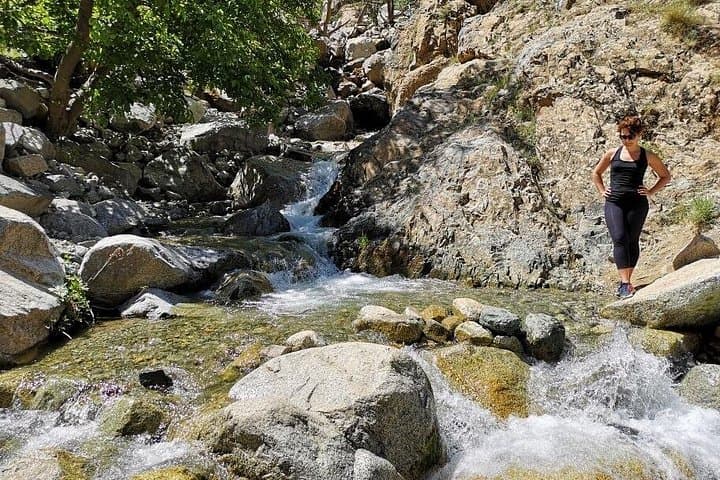
The valley has long been a corridor for Berber communities who farm the river benches and trade herbs and woven goods at small markets. Geologically the valley is carved from volcanic and metamorphic rock—steep gorges feed seasonal cascades—so paths can switch from packed earth to river-smoothed stones within minutes. Local culture is visible in simple stone houses, rooftop drying racks, and invitations to mint tea if you accept a home visit.
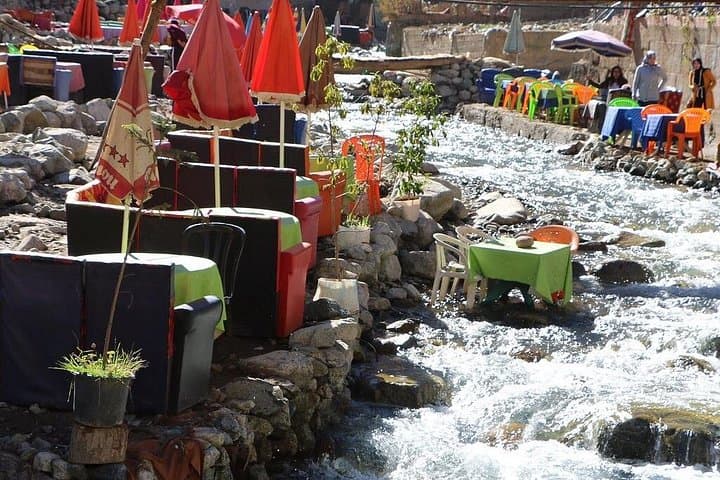
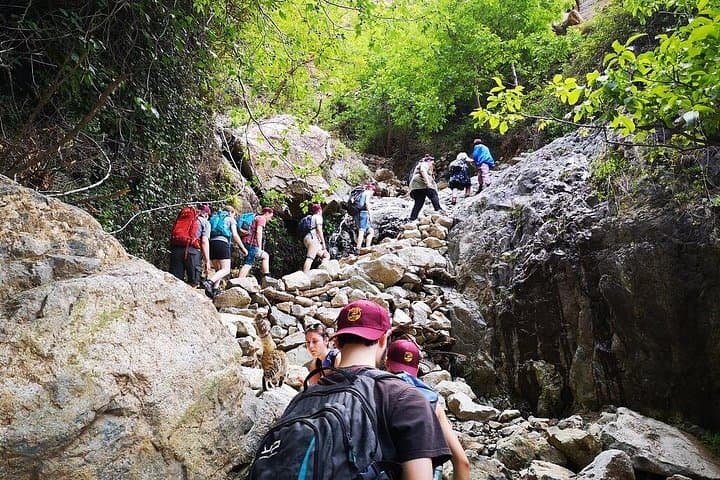
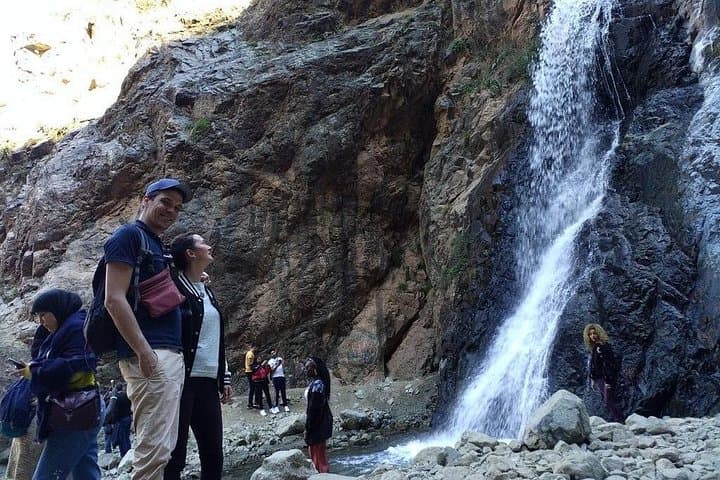
Expect a moderate day: a scenic drive (about 45–60 minutes each way from central Marrakech), short village stops, and a hike up to several waterfalls at Setti Fadma. Trails gain modest elevation and include uneven, sometimes slippery sections where good footwear and a steady pace matter. Lunch is typically at a riverside cafe; food is Berber-style tagine cooked slowly and served steaming beside the current.
Practical notes: bring layered clothing, plenty of water, and small change for tips or hiring a local guide for the waterfall route. Morning departures dodge the afternoon heat and leave time to explore the lower villages. The valley is lively on weekends and cooler than Marrakech year-round—plan accordingly.
moderate.
4–7 hours.
Comfortable with continuous uphill walking for 30–90 minutes and able to manage uneven terrain.
Plan on roughly 45–60 minutes each way depending on traffic and your pickup location in Marrakech.
No—local guides in Setti Fadma are available to hire on-site if you want assistance or interpretive information.
Children who are steady on uneven terrain can do the lower waterfalls; steeper upper sections require more agility and supervision.
Lunch is not included; riverside cafes serve tagines and simple meals at guests’ expense.
The Ourika Valley has been populated by Amazigh (Berber) communities for centuries and served as a mountain trade and pastoral route connecting highland settlements to Marrakech.
The valley’s trails are prone to erosion—stick to established paths, avoid littering, and minimize single-use plastics; tipping local guides supports community-based stewardship.
Amodou Tours operates guided outdoor trips and adventures with an emphasis on safety, stewardship, and memorable experiences.
Drive out of Marrakech and the city’s heat peels away as the road climbs toward the Ourika Valley, the High Atlas rising like a worn spine on the horizon. Olive terraces and adobe hamlets slide past the window; by the time you step out at Setti Fadma the air smells of streamwater and wood smoke.
Drive out of Marrakech and the city’s heat peels away as the road climbs toward the Ourika Valley, the High Atlas rising like a worn spine on the horizon. Olive terraces and adobe hamlets slide past the window; by the time you step out at Setti Fadma the air smells of streamwater and wood smoke.
The valley has long been a corridor for Berber communities who farm the river benches and trade herbs and woven goods at small markets. Geologically the valley is carved from volcanic and metamorphic rock—steep gorges feed seasonal cascades—so paths can switch from packed earth to river-smoothed stones within minutes. Local culture is visible in simple stone houses, rooftop drying racks, and invitations to mint tea if you accept a home visit.
Expect a moderate day: a scenic drive (about 45–60 minutes each way from central Marrakech), short village stops, and a hike up to several waterfalls at Setti Fadma. Trails gain modest elevation and include uneven, sometimes slippery sections where good footwear and a steady pace matter. Lunch is typically at a riverside cafe; food is Berber-style tagine cooked slowly and served steaming beside the current.
Practical notes: bring layered clothing, plenty of water, and small change for tips or hiring a local guide for the waterfall route. Morning departures dodge the afternoon heat and leave time to explore the lower villages. The valley is lively on weekends and cooler than Marrakech year-round—plan accordingly.