THE ADVENTURE COLLECTIVE® · Independent discovery and booking for outdoor travel

Leave Marrakech for a full-day escape into the Ourika Valley: visit a women’s argan cooperative, hike to the seven-tiered Setti Fadma waterfalls with a local guide, and enjoy a riverside Moroccan lunch before exploring village markets.
Leave Marrakech for a full-day escape into the Ourika Valley: visit a women’s argan cooperative, hike to the seven-tiered Setti Fadma waterfalls with a local guide, and enjoy a riverside Moroccan lunch before exploring village markets.
A ribbon of road peels away from Marrakech and the city’s dust gives way to cool river air and low Atlas foothills. By midmorning the bus eases into a village where women grind argan kernels by hand; the scent of toasted nuts and olive oil hangs in the courtyard. From there a local guide leads the group upriver on a rocky trail toward Setti Fadma’s seven-tiered falls, wooden bridges rattling beneath careful steps and spray daring you closer.
Verified experiences and guided adventures in the surrounding area.
Operated by Amine Tours · Marrakech, Marrakesh-Safi
A ribbon of road peels away from Marrakech and the city’s dust gives way to cool river air and low Atlas foothills. By midmorning the bus eases into a village where women grind argan kernels by hand; the scent of toasted nuts and olive oil hangs in the courtyard. From there a local guide leads the group upriver on a rocky trail toward Setti Fadma’s seven-tiered falls, wooden bridges rattling beneath careful steps and spray daring you closer.
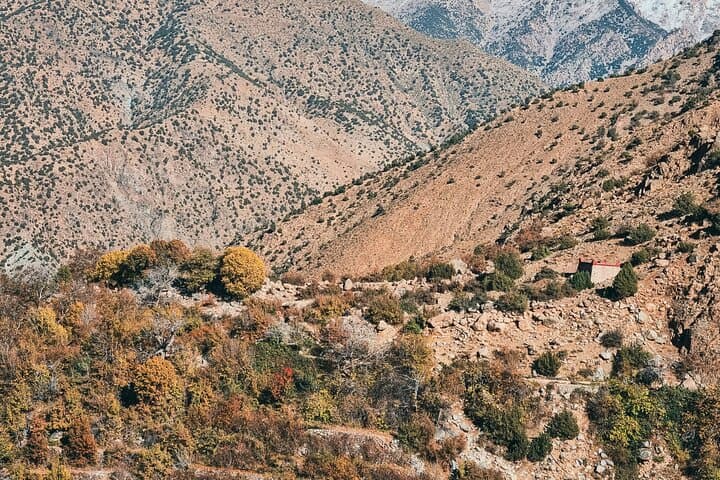
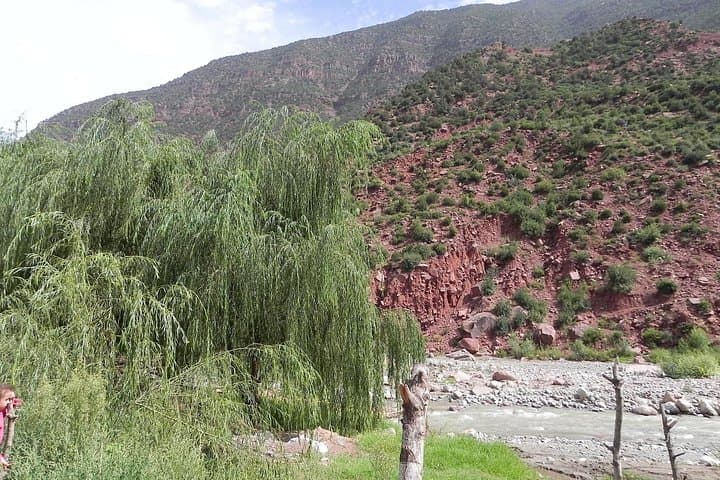
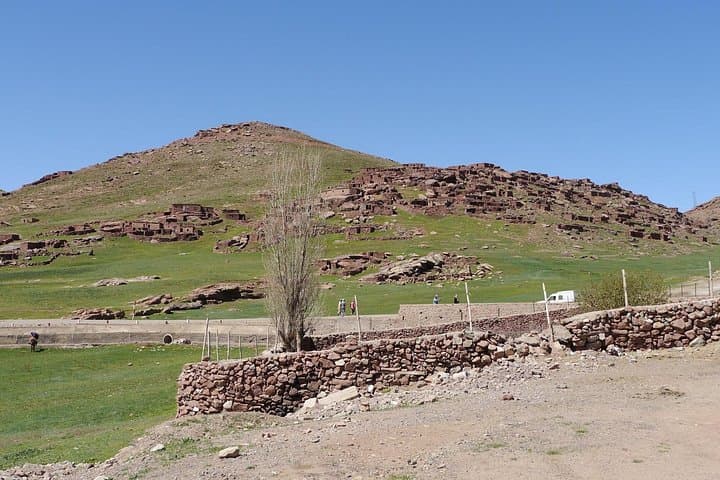
The Ourika Valley is part cultural corridor, part geology lesson: layered schist and sandstone cut by seasonal streams that swell in winter and carve terraces the Berber communities farm. For centuries local Amazigh (Berber) families have raised goats, tended walnut and fig trees, and produced argan oil—traditions still visible at cooperatives and market stalls.
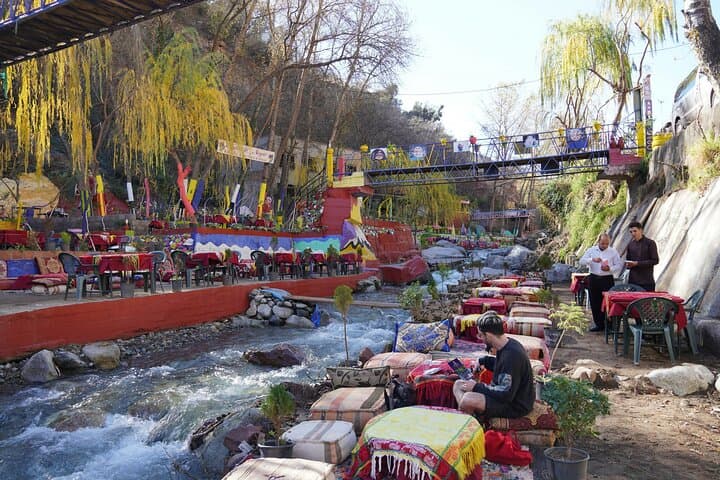
Expect a practical, sensory day—about 7–9 hours total with a guided 3 km round-trip hike and roughly 200–300 m of short, uneven elevation gain. Trails shift between packed earth, loose scree, and stone steps; bridges and river crossings add variety. Lunch is a riverside tagine, often served at low tables beside the stream.
Plan for sun and spray: sturdy shoes, refillable water, and a light rain shell will cover most scenarios. Go early to avoid crowds on popular cascade tiers and bring cash for cooperative purchases and local tips. Respect private terraces and keep to marked paths—the valley’s charm depends on responsible visits.
moderate.
7–9 hours.
Suitable for travelers with regular walking fitness; able to manage uneven terrain and short uphill sections.
The guided route is roughly 3 km round-trip with intermittent elevation, typically taking 1.5–2 hours depending on stops and pace.
Yes—the tour is family-friendly and described as physically easy to moderate, but participants should be able to walk uneven terrain and manage short climbs.
The itinerary includes a traditional riverside lunch and entrance fees stated in the tour inclusions, as well as hotel/riad pickup and drop-off.
Yes—there are stops at a women’s argan oil cooperative and village markets; bring cash for small purchases and ask before photographing people.
Amazigh (Berber) communities have farmed the Ourika foothills for centuries; argan oil production and terrace agriculture are long-standing local economies.
The valley’s riparian zones are fragile—stay on trails, pack out trash, and support local cooperatives that promote sustainable income for residents.
Amine Tours operates guided outdoor trips and adventures with an emphasis on safety, stewardship, and memorable experiences.
A ribbon of road peels away from Marrakech and the city’s dust gives way to cool river air and low Atlas foothills. By midmorning the bus eases into a village where women grind argan kernels by hand; the scent of toasted nuts and olive oil hangs in the courtyard. From there a local guide leads the group upriver on a rocky trail toward Setti Fadma’s seven-tiered falls, wooden bridges rattling beneath careful steps and spray daring you closer.
A ribbon of road peels away from Marrakech and the city’s dust gives way to cool river air and low Atlas foothills. By midmorning the bus eases into a village where women grind argan kernels by hand; the scent of toasted nuts and olive oil hangs in the courtyard. From there a local guide leads the group upriver on a rocky trail toward Setti Fadma’s seven-tiered falls, wooden bridges rattling beneath careful steps and spray daring you closer.
The Ourika Valley is part cultural corridor, part geology lesson: layered schist and sandstone cut by seasonal streams that swell in winter and carve terraces the Berber communities farm. For centuries local Amazigh (Berber) families have raised goats, tended walnut and fig trees, and produced argan oil—traditions still visible at cooperatives and market stalls.
Expect a practical, sensory day—about 7–9 hours total with a guided 3 km round-trip hike and roughly 200–300 m of short, uneven elevation gain. Trails shift between packed earth, loose scree, and stone steps; bridges and river crossings add variety. Lunch is a riverside tagine, often served at low tables beside the stream.
Plan for sun and spray: sturdy shoes, refillable water, and a light rain shell will cover most scenarios. Go early to avoid crowds on popular cascade tiers and bring cash for cooperative purchases and local tips. Respect private terraces and keep to marked paths—the valley’s charm depends on responsible visits.