THE ADVENTURE COLLECTIVE® · Independent discovery and booking for outdoor travel

A half-day escape from Marrakech into the High Atlas foothills, this private trip combines a visit to a Berber family with a climb to the Setti-Fatma waterfalls and stops at local markets. Expect easy driving, short hikes, and hands-on cultural experiences.
A half-day escape from Marrakech into the High Atlas foothills, this private trip combines a visit to a Berber family with a climb to the Setti-Fatma waterfalls and stops at local markets. Expect easy driving, short hikes, and hands-on cultural experiences.
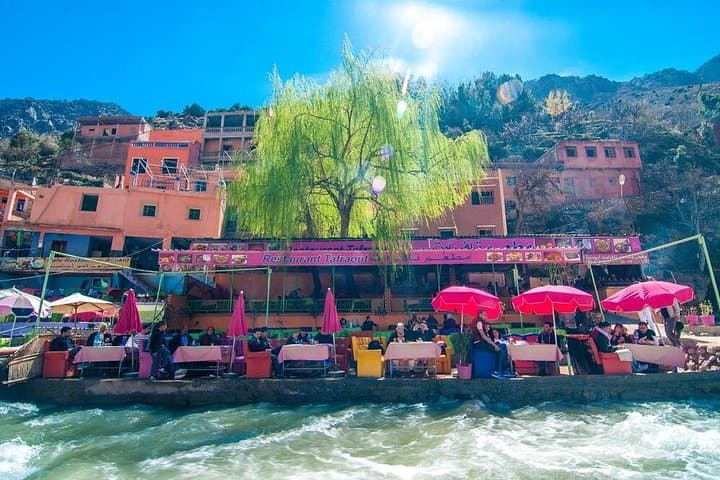
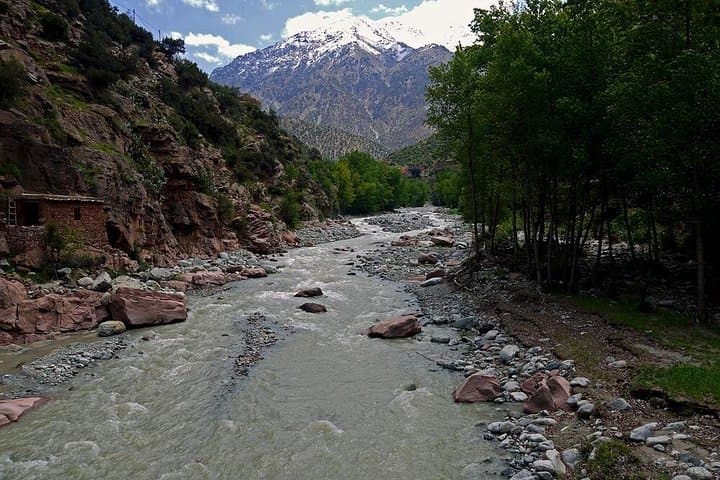
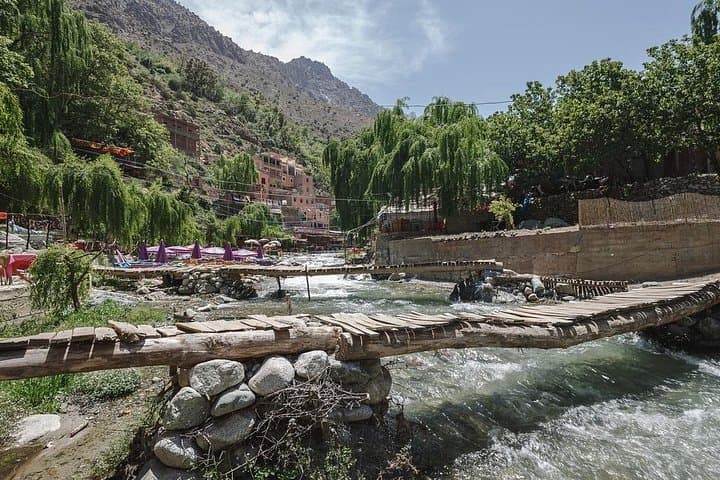
You leave Marrakech before the heat sets in, the city receding as the road climbs into the High Atlas foothills. The minivan threads past terraced fields and stone walls; the Oued Ourika runs beside the road, daring you to follow its cool route upstream. By midmorning you’ll be at a Berber home where women pour sweet mint tea and show the rhythms of daily life — from bread baked on a pan to quiet tools for mountain farming.
Verified experiences and guided adventures in the surrounding area.
Operated by Morocco Desert Fun Trip · Setti Fatma, Marrakech-Safi
You leave Marrakech before the heat sets in, the city receding as the road climbs into the High Atlas foothills. The minivan threads past terraced fields and stone walls; the Oued Ourika runs beside the road, daring you to follow its cool route upstream. By midmorning you’ll be at a Berber home where women pour sweet mint tea and show the rhythms of daily life — from bread baked on a pan to quiet tools for mountain farming.
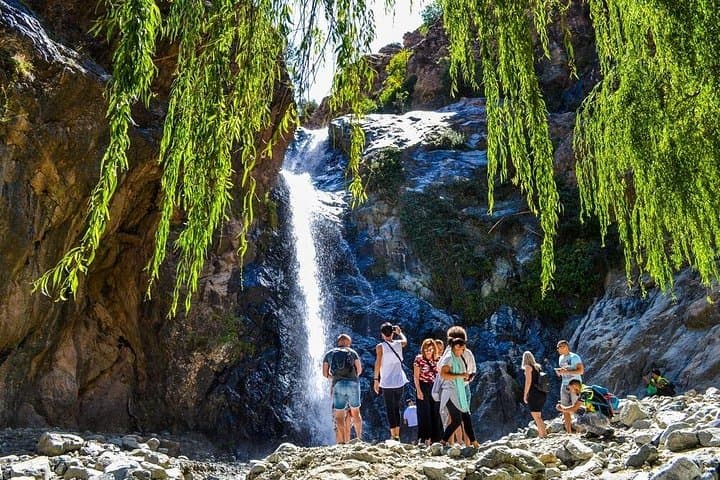
Geology here is plain in the slopes: folded, uplifted rock of the Atlas range gives way to steep-sided gorges carved by seasonal torrents. Setti-Fatma, at the road’s end, is marked by century-old walnut trees and a cluster of seven short waterfalls that spill down an amphitheater of basalt and shale. The valley’s culture is Amazigh (Berber): villages follow seasonal agriculture and a long tradition of local moussem gatherings, while weekly markets on certain days still play a central role in trade and social life.
Practical guide: the round trip takes about 5–6 hours including pickups; expect light to moderate walking on uneven stone paths to reach the cascades. Dress modestly for family visits, carry local currency for market purchases and small tips, and bring sun protection and plenty of water. If you want photos of village life, ask permission first — the community welcomes visitors but values respect. Timing your visit for a market day (often Monday or Friday) adds an authentic glimpse of rural Moroccan life.
moderate.
5–6 hours.
Suitable for travelers in light to moderate fitness: short walks and stair sections to the waterfalls but no technical climbing.
The valley starts about 40 km south of Marrakech; driving time is roughly 45–75 minutes each way depending on traffic and stops.
No technical climbing is required, but the trail has uneven stone steps and short steep sections, so stable footwear is recommended.
Yes — visits are part of the tour; always ask permission before photographing family members and be respectful during the tea demonstration.
Weekly market days near the route vary, but Monday and Friday commonly host souks; ask your guide when booking to align your trip with market day.
The Ourika Valley has been populated for centuries by Amazigh (Berber) communities whose seasonal agriculture and local moussem festivals remain central to village life.
Erosion from foot traffic and water extraction are local concerns; travel with a certified guide, avoid littering, and support local families for sustainable benefits.
Morocco Desert Fun Trip operates guided outdoor trips and adventures with an emphasis on safety, stewardship, and memorable experiences.
You leave Marrakech before the heat sets in, the city receding as the road climbs into the High Atlas foothills. The minivan threads past terraced fields and stone walls; the Oued Ourika runs beside the road, daring you to follow its cool route upstream. By midmorning you’ll be at a Berber home where women pour sweet mint tea and show the rhythms of daily life — from bread baked on a pan to quiet tools for mountain farming.
You leave Marrakech before the heat sets in, the city receding as the road climbs into the High Atlas foothills. The minivan threads past terraced fields and stone walls; the Oued Ourika runs beside the road, daring you to follow its cool route upstream. By midmorning you’ll be at a Berber home where women pour sweet mint tea and show the rhythms of daily life — from bread baked on a pan to quiet tools for mountain farming.
Geology here is plain in the slopes: folded, uplifted rock of the Atlas range gives way to steep-sided gorges carved by seasonal torrents. Setti-Fatma, at the road’s end, is marked by century-old walnut trees and a cluster of seven short waterfalls that spill down an amphitheater of basalt and shale. The valley’s culture is Amazigh (Berber): villages follow seasonal agriculture and a long tradition of local moussem gatherings, while weekly markets on certain days still play a central role in trade and social life.
Practical guide: the round trip takes about 5–6 hours including pickups; expect light to moderate walking on uneven stone paths to reach the cascades. Dress modestly for family visits, carry local currency for market purchases and small tips, and bring sun protection and plenty of water. If you want photos of village life, ask permission first — the community welcomes visitors but values respect. Timing your visit for a market day (often Monday or Friday) adds an authentic glimpse of rural Moroccan life.