THE ADVENTURE COLLECTIVE® · Independent discovery and booking for outdoor travel

Swap Marrakech’s medina for walnut groves and mountain water—this guided Ourika Valley day trip pairs a manageable waterfall hike with visits to Berber villages and argan cooperatives. Practical tips and local context help you plan the day.
Swap Marrakech’s medina for walnut groves and mountain water—this guided Ourika Valley day trip pairs a manageable waterfall hike with visits to Berber villages and argan cooperatives. Practical tips and local context help you plan the day.
A cool mountain breeze meets the dust of Marrakech as a minivan winds up toward the High Atlas; within an hour you trade city noise for walnut groves and a river that dares you to follow it. The Ourika Valley opens like a natural corridor, terraces and argan trees stepping down to a braided stream, while shepherds and flat-roofed stone houses mark the human pulse of the landscape.
Verified experiences and guided adventures in the surrounding area.
Operated by Explore My Morocco tours · Ourika, Marrakech-Safi
A cool mountain breeze meets the dust of Marrakech as a minivan winds up toward the High Atlas; within an hour you trade city noise for walnut groves and a river that dares you to follow it. The Ourika Valley opens like a natural corridor, terraces and argan trees stepping down to a braided stream, while shepherds and flat-roofed stone houses mark the human pulse of the landscape.
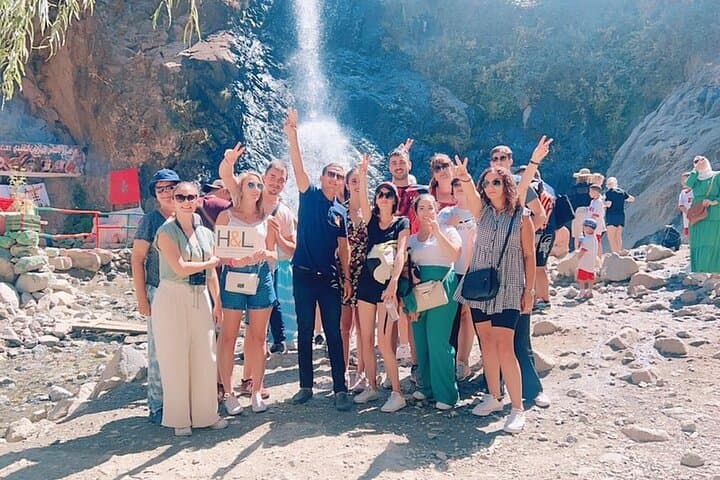
Geologically the valley is carved from folded Atlas limestone and schist, with narrow ravines feeding seasonal cascades. The area is home to Amazigh (Berber) communities whose crafts include argan oil cooperatives—an economic and cultural touchstone visitors can observe. Setti Fatma, the waterfall cluster most tours reach, is a series of falls fed by mountain snowmelt; closer to the peaks, mule tracks and stepped fields show centuries of land use.
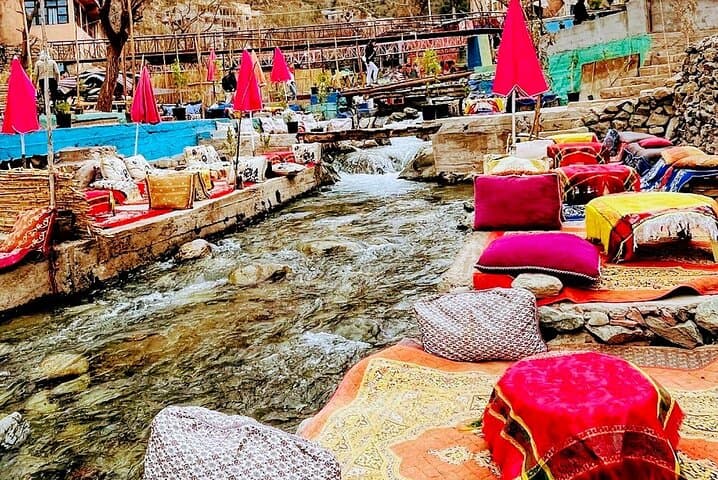
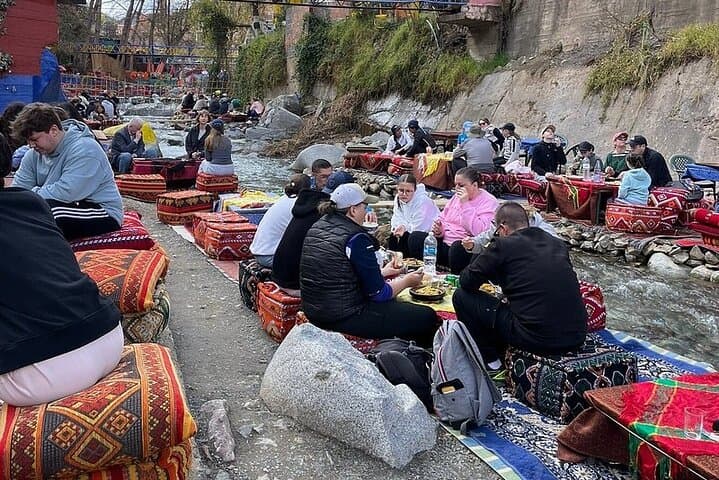
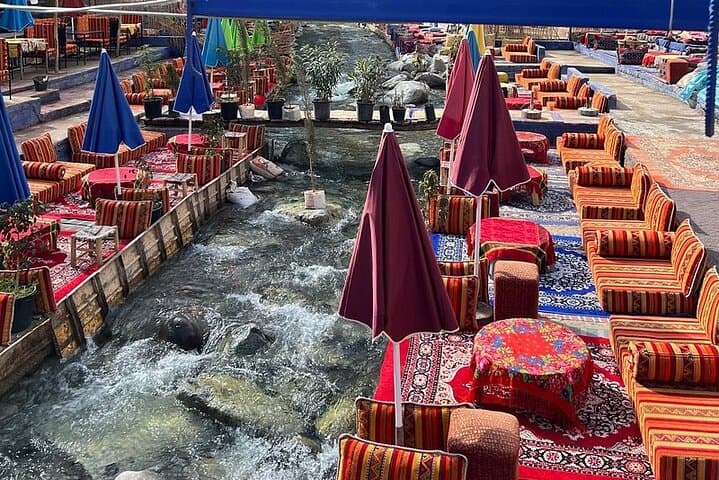
Expect a guided walk of uneven trails, short steep sections, and river crossings; one-hour mule rides may be offered for steeper approaches. Lunch usually features simple Moroccan fare—tagine and bread—served in a local restaurant with valley views.
Practical notes: wear sturdy shoes with grip, carry 1–2 liters of water, and start earlier in summer to avoid midday heat. Respect private terraces and ask before photographing people. Mobile signal can be spotty; plan meeting points with your driver. The route suits moderately fit travelers who can handle loose rock and short climbs. With a bit of preparation, the Ourika day trip combines cultural insight with a crisp, accessible mountain hike.
moderate.
8 hours.
Moderate—comfortable walking on uneven terrain, short steep sections, and repeated small elevation gains.
Most guided walks to the main cascade take 1–2 hours round-trip depending on pace and how far up the series of falls you go.
Older children who can handle uneven trails and short climbs generally do well; infant seats and mule rides may be available for young children.
Lunch and private A/C transport are typically included; confirm pickup point and any special dietary needs when booking.
Tipping is customary—small amounts to guides, drivers, and mule handlers are appreciated for local livelihoods.
The Ourika Valley has long been inhabited by Amazigh (Berber) communities; terraces and irrigation channels reflect traditional mountain agriculture.
Seasonal pressure from tourists and goats can erode trails and disturb vegetation—stick to paths, avoid leaving waste, and support local cooperatives.
Explore My Morocco tours operates guided outdoor trips and adventures with an emphasis on safety, stewardship, and memorable experiences.
A cool mountain breeze meets the dust of Marrakech as a minivan winds up toward the High Atlas; within an hour you trade city noise for walnut groves and a river that dares you to follow it. The Ourika Valley opens like a natural corridor, terraces and argan trees stepping down to a braided stream, while shepherds and flat-roofed stone houses mark the human pulse of the landscape.
A cool mountain breeze meets the dust of Marrakech as a minivan winds up toward the High Atlas; within an hour you trade city noise for walnut groves and a river that dares you to follow it. The Ourika Valley opens like a natural corridor, terraces and argan trees stepping down to a braided stream, while shepherds and flat-roofed stone houses mark the human pulse of the landscape.
Geologically the valley is carved from folded Atlas limestone and schist, with narrow ravines feeding seasonal cascades. The area is home to Amazigh (Berber) communities whose crafts include argan oil cooperatives—an economic and cultural touchstone visitors can observe. Setti Fatma, the waterfall cluster most tours reach, is a series of falls fed by mountain snowmelt; closer to the peaks, mule tracks and stepped fields show centuries of land use.
Expect a guided walk of uneven trails, short steep sections, and river crossings; one-hour mule rides may be offered for steeper approaches. Lunch usually features simple Moroccan fare—tagine and bread—served in a local restaurant with valley views.
Practical notes: wear sturdy shoes with grip, carry 1–2 liters of water, and start earlier in summer to avoid midday heat. Respect private terraces and ask before photographing people. Mobile signal can be spotty; plan meeting points with your driver. The route suits moderately fit travelers who can handle loose rock and short climbs. With a bit of preparation, the Ourika day trip combines cultural insight with a crisp, accessible mountain hike.