THE ADVENTURE COLLECTIVE® · Independent discovery and booking for outdoor travel

A compact day trip from Marrakech into the Ourika Valley—scenic drives, a visit to an authentic Berber village, a shared lunch with a local family, and an optional saffron garden tasting. Ideal for travelers who want mountain views without an overnight.
A compact day trip from Marrakech into the Ourika Valley—scenic drives, a visit to an authentic Berber village, a shared lunch with a local family, and an optional saffron garden tasting. Ideal for travelers who want mountain views without an overnight.
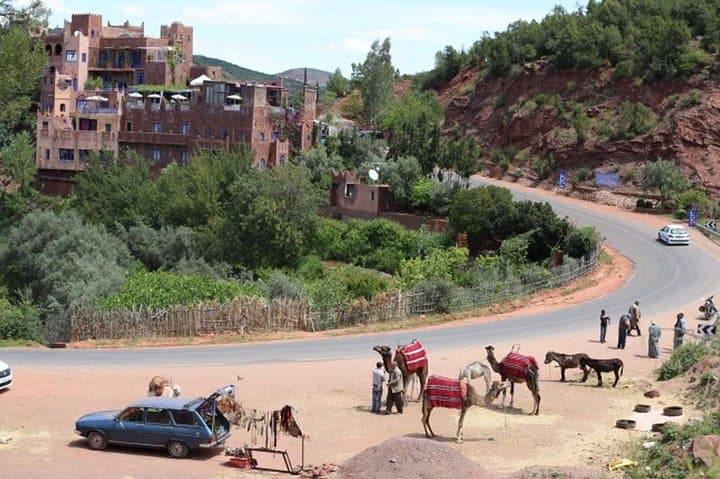
You leave Marrakech's ochre walls while the city hum fades and a ribbon of asphalt climbs into the High Atlas. The road opens in stages—terraced fields, steep ravines, and the first clear views of Jbel Toubkal pushing a white shoulder above the horizon. A narrow river threads the valley below, daring you to slow down and listen: water, wind, and the clack of distant farm work.
Verified experiences and guided adventures in the surrounding area.
Operated by Green Palms Transport · Ourika, Marrakech-Safi
You leave Marrakech's ochre walls while the city hum fades and a ribbon of asphalt climbs into the High Atlas. The road opens in stages—terraced fields, steep ravines, and the first clear views of Jbel Toubkal pushing a white shoulder above the horizon. A narrow river threads the valley below, daring you to slow down and listen: water, wind, and the clack of distant farm work.
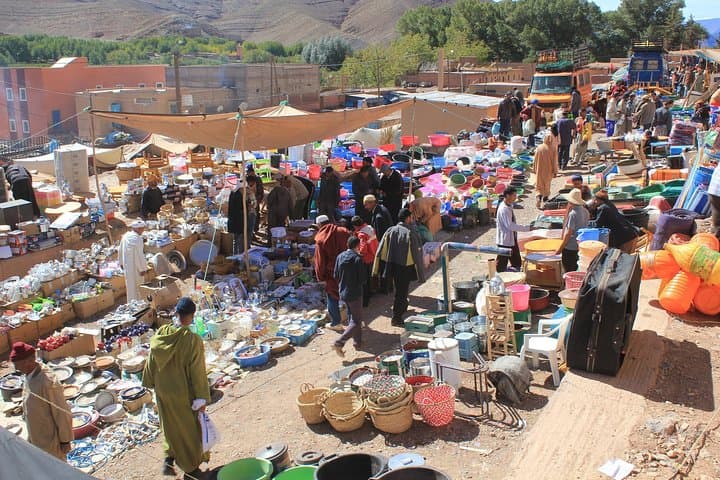
The Ourika Valley has been a corridor of mountain agriculture and Berber life for centuries. Geologically, the High Atlas is young and folded—hard rock thrust up to form the sharp ridges that hem the valley. Culture here is practical and visible: flat-roofed stone houses, terraced plots of barley and vegetables, and a long tradition of small-scale saffron cultivation. You'll get a close look at domestic life during a family lunch and, optionally, step into an aromatic garden where saffron and herbal teas are grown and explained for a small entry fee.
Logistics are straightforward: hotel pickup in Marrakech, an air-conditioned vehicle, and a six-hour window to make a few photo stops, a village visit, lunch, and the garden. The walking is light—stone lanes and short trails—so normal fitness suffices, but bring sun protection, a refillable water bottle, and small bills for garden entry or tea. Aim for morning departures to avoid mid-day heat and to catch softer light on the peaks. The trip balances easy access with clear mountain character: close enough for a day, far enough to feel like you left the city behind.
easy.
6 hours.
Light activity; minimal hiking and short village walks—suitable for most fitness levels
No—the aromatic saffron garden is an optional stop and typically charges about €5 per person at the gate.
Travel time is roughly 45–75 minutes each way depending on traffic and exact pick-up location; the full experience lasts about six hours.
Yes—the itinerary involves mostly short walks and village visits; vehicle pick-up and drop-off are provided, and infant seats are available on request.
On clear days you can see Toubkal and other High Atlas peaks from viewpoints along the route, though visibility depends on weather.
The valley has long been home to Amazigh (Berber) communities who farm terraced fields and traded saffron and herbs; routes into the High Atlas shaped local village patterns.
Visitors should stick to paths, avoid disturbing terraces, and minimize single-use plastics; supporting local family meals and gardens helps the valley's small-scale economy.
Green Palms Transport operates guided outdoor trips and adventures with an emphasis on safety, stewardship, and memorable experiences.


You leave Marrakech's ochre walls while the city hum fades and a ribbon of asphalt climbs into the High Atlas. The road opens in stages—terraced fields, steep ravines, and the first clear views of Jbel Toubkal pushing a white shoulder above the horizon. A narrow river threads the valley below, daring you to slow down and listen: water, wind, and the clack of distant farm work.
You leave Marrakech's ochre walls while the city hum fades and a ribbon of asphalt climbs into the High Atlas. The road opens in stages—terraced fields, steep ravines, and the first clear views of Jbel Toubkal pushing a white shoulder above the horizon. A narrow river threads the valley below, daring you to slow down and listen: water, wind, and the clack of distant farm work.
The Ourika Valley has been a corridor of mountain agriculture and Berber life for centuries. Geologically, the High Atlas is young and folded—hard rock thrust up to form the sharp ridges that hem the valley. Culture here is practical and visible: flat-roofed stone houses, terraced plots of barley and vegetables, and a long tradition of small-scale saffron cultivation. You'll get a close look at domestic life during a family lunch and, optionally, step into an aromatic garden where saffron and herbal teas are grown and explained for a small entry fee.
Logistics are straightforward: hotel pickup in Marrakech, an air-conditioned vehicle, and a six-hour window to make a few photo stops, a village visit, lunch, and the garden. The walking is light—stone lanes and short trails—so normal fitness suffices, but bring sun protection, a refillable water bottle, and small bills for garden entry or tea. Aim for morning departures to avoid mid-day heat and to catch softer light on the peaks. The trip balances easy access with clear mountain character: close enough for a day, far enough to feel like you left the city behind.