THE ADVENTURE COLLECTIVE® · Independent discovery and booking for outdoor travel

Escape Marrakech for a day in the Atlas foothills: meet Amazigh mountain villages, visit an argan cooperative, and walk to the Setti Fatma waterfalls. This accessible day trip mixes culture, easy hiking, and cooler mountain air.
Escape Marrakech for a day in the Atlas foothills: meet Amazigh mountain villages, visit an argan cooperative, and walk to the Setti Fatma waterfalls. This accessible day trip mixes culture, easy hiking, and cooler mountain air.
A mountain road peels away from Marrakech and the city heat loosens its grip. Within an hour the air sharpens—cooler, scented with thyme and wood smoke—as the Atlas foothills open into the green ribbon of the Ourika Valley. Villages cling to slopes above the river, terraces cut into the hills like stair-steps for olive and almond trees, and the steady murmur of water guides visitors toward Setti Fatma’s waterfall steps.
Verified experiences and guided adventures in the surrounding area.
Operated by Sahaba Tours Morocco · Setti Fatma, Marrakech-Safi
A mountain road peels away from Marrakech and the city heat loosens its grip. Within an hour the air sharpens—cooler, scented with thyme and wood smoke—as the Atlas foothills open into the green ribbon of the Ourika Valley. Villages cling to slopes above the river, terraces cut into the hills like stair-steps for olive and almond trees, and the steady murmur of water guides visitors toward Setti Fatma’s waterfall steps.
The valley has been home to Amazigh (Berber) communities for centuries; stone houses, mule tracks and terraced agriculture reflect a practical mountain life shaped by seasonal water and steep geology. The region’s lower argan slopes support cooperatives where women press oil in traditional ways used both for food and cosmetics—an accessible cultural exchange for travelers.
The optional guided walk to the seven-tiered Setti Fatma cascades is an easy-to-moderate route: short rocky paths, a few stream crossings and stair sections that reward with splash-cooled air and photo angles. Expect 1–2 hours on foot at a relaxed pace, with time after to stroll village lanes, sample mint tea at a local household, or browse cooperative stalls.
Practical guidance: go early to avoid mid-day crowds, wear sturdy shoes with grip for wet rocks, and carry a refillable bottle—the valley’s climate shifts quickly from sun to chilled shade. Respect private properties, support local cooperatives directly, and be prepared for uneven paths if you take the waterfall trail. This is a day trip that pairs simple cultural encounters with readable mountain scenery—direct, tangible, and easy to fit into a Marrakech itinerary.
easy.
5–6 hours (including transport).
Light activity level; suitable for most people who can manage short uphill walks and uneven terrain.
Yes—hotel pickup and drop-off in Marrakech are included in the standard tour.
The guided walk segments are generally 45–90 minutes round-trip depending on pace and how many tiers you visit.
Swimming is uncommon and often impractical; shallow pools may be present but currents and cold mountain water make swimming rarely recommended.
Cooperatives are working groups where visitors can see processing and purchase products; consider supporting them by buying directly rather than through intermediaries.
The Ourika Valley has long been populated by Amazigh (Berber) groups whose agricultural terraces and stone villages reflect centuries of mountain adaptation.
Rising visitor numbers pressure local water and waste systems; support sustainable operators, purchase directly from cooperatives, and avoid leaving litter on trails.
Sahaba Tours Morocco operates guided outdoor trips and adventures with an emphasis on safety, stewardship, and memorable experiences.
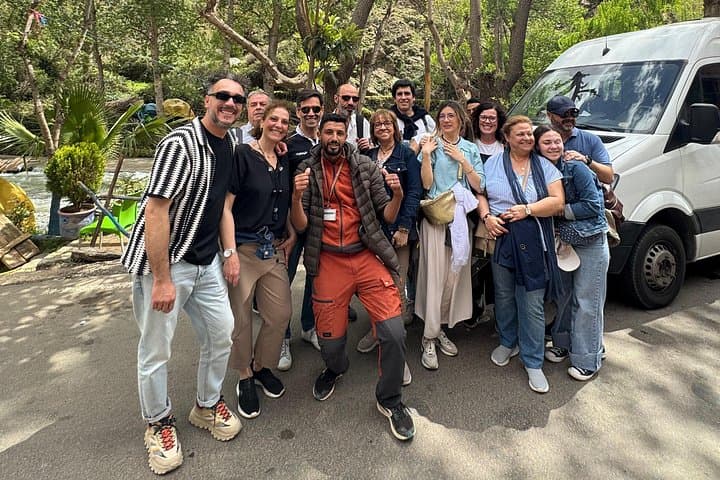
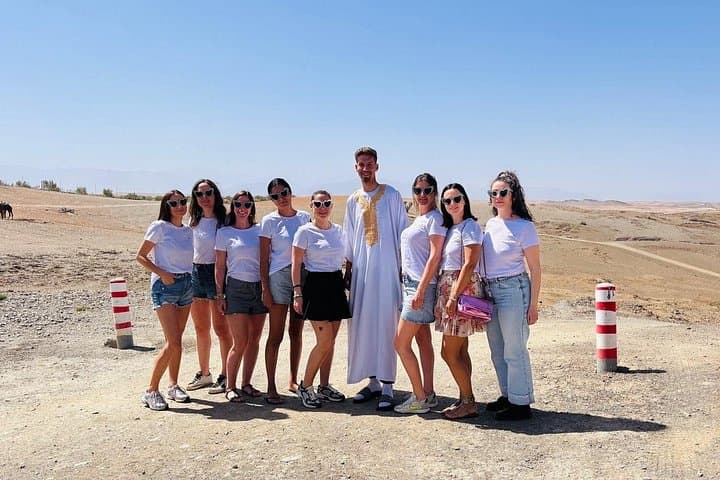
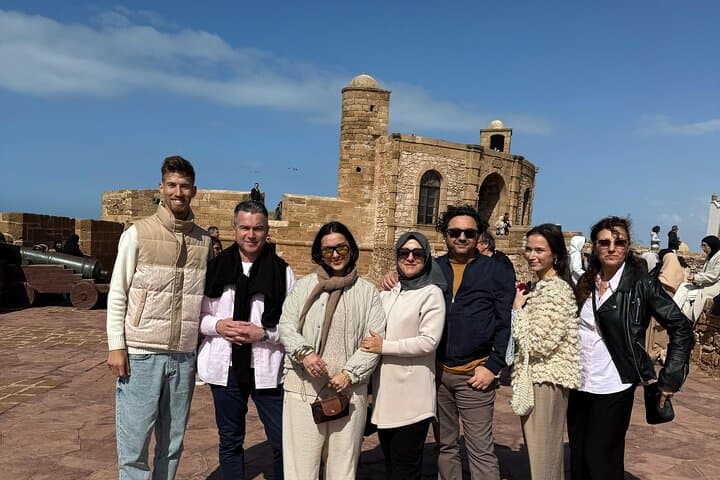
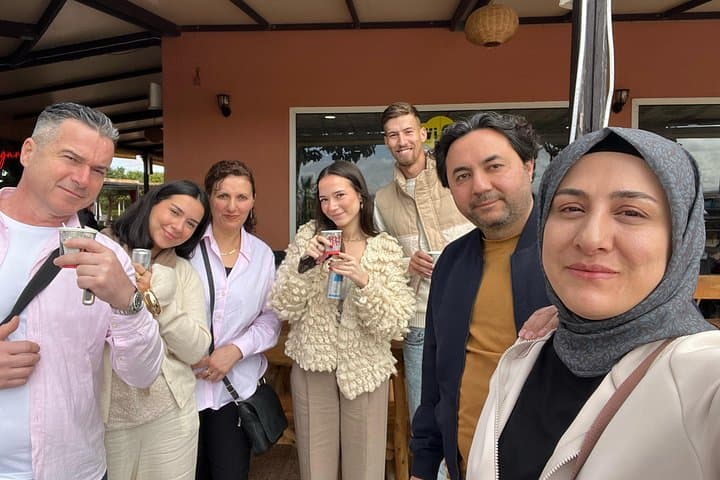
A mountain road peels away from Marrakech and the city heat loosens its grip. Within an hour the air sharpens—cooler, scented with thyme and wood smoke—as the Atlas foothills open into the green ribbon of the Ourika Valley. Villages cling to slopes above the river, terraces cut into the hills like stair-steps for olive and almond trees, and the steady murmur of water guides visitors toward Setti Fatma’s waterfall steps.
A mountain road peels away from Marrakech and the city heat loosens its grip. Within an hour the air sharpens—cooler, scented with thyme and wood smoke—as the Atlas foothills open into the green ribbon of the Ourika Valley. Villages cling to slopes above the river, terraces cut into the hills like stair-steps for olive and almond trees, and the steady murmur of water guides visitors toward Setti Fatma’s waterfall steps.
The valley has been home to Amazigh (Berber) communities for centuries; stone houses, mule tracks and terraced agriculture reflect a practical mountain life shaped by seasonal water and steep geology. The region’s lower argan slopes support cooperatives where women press oil in traditional ways used both for food and cosmetics—an accessible cultural exchange for travelers.
The optional guided walk to the seven-tiered Setti Fatma cascades is an easy-to-moderate route: short rocky paths, a few stream crossings and stair sections that reward with splash-cooled air and photo angles. Expect 1–2 hours on foot at a relaxed pace, with time after to stroll village lanes, sample mint tea at a local household, or browse cooperative stalls.
Practical guidance: go early to avoid mid-day crowds, wear sturdy shoes with grip for wet rocks, and carry a refillable bottle—the valley’s climate shifts quickly from sun to chilled shade. Respect private properties, support local cooperatives directly, and be prepared for uneven paths if you take the waterfall trail. This is a day trip that pairs simple cultural encounters with readable mountain scenery—direct, tangible, and easy to fit into a Marrakech itinerary.