THE ADVENTURE COLLECTIVE® · Independent discovery and booking for outdoor travel

Just 30 km from Marrakech, the Ourika Valley offers a quick escape into palm-lined roads, terraced orchards and seasonal waterfalls. This day trip mixes easy walks, village visits and Atlas views—ideal for travelers wanting fresh air without a multi-day commitment.
Just 30 km from Marrakech, the Ourika Valley offers a quick escape into palm-lined roads, terraced orchards and seasonal waterfalls. This day trip mixes easy walks, village visits and Atlas views—ideal for travelers wanting fresh air without a multi-day commitment.
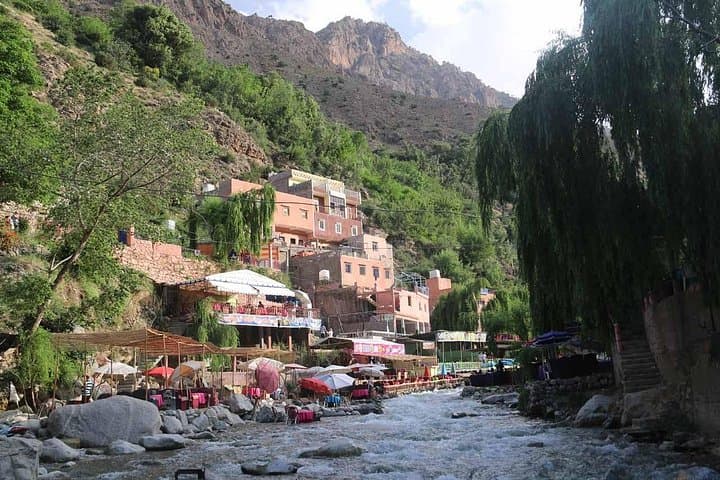
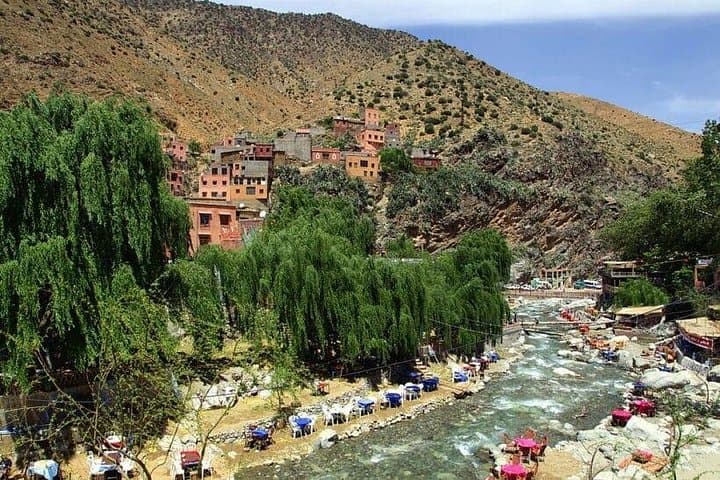
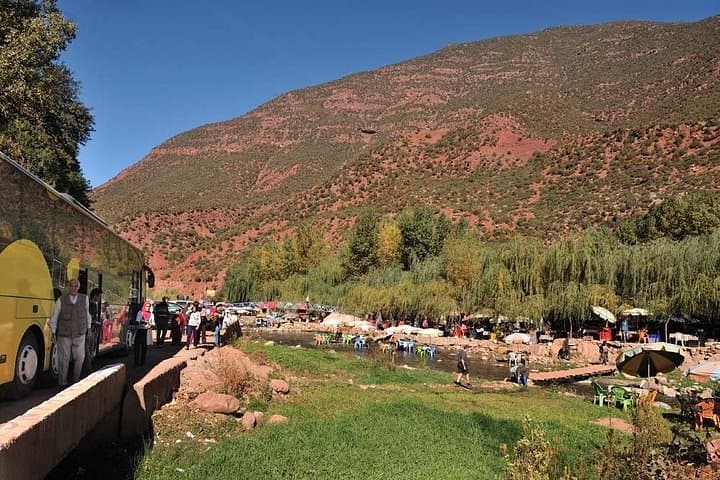
You leave Marrakech behind as the city’s heat loosens its grip and the Ourika River draws you south, cutting a cool ribbon through olive groves and terraced farms. The valley opens in stages: palms and orchards frame the road, villages appear like clusters of ochre, and the High Atlas slopes press in with a dry, mineral hush. The river dares you to breathe slower; its riffles mark a clear contrast to the bustle of the city.
Verified experiences and guided adventures in the surrounding area.
Operated by Kech adventures · Marrakech, Marrakech-Safi
You leave Marrakech behind as the city’s heat loosens its grip and the Ourika River draws you south, cutting a cool ribbon through olive groves and terraced farms. The valley opens in stages: palms and orchards frame the road, villages appear like clusters of ochre, and the High Atlas slopes press in with a dry, mineral hush. The river dares you to breathe slower; its riffles mark a clear contrast to the bustle of the city.
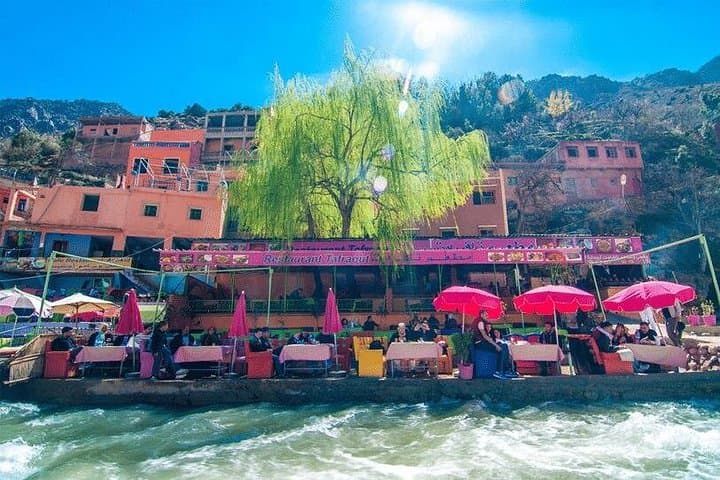
Geology here is readable: uplifted limestone and shale fold into low ridgelines, and seasonal streams have carved stepped terraces where Berber farmers grow apples, walnuts and figs. The valley has long been home to local Amazigh (Berber) communities whose stone houses and mule paths predate the paved road. Small markets and roadside cafés serve simple tagine and mint tea—food that’s as much a cultural waypoint as a meal.
Expect short walks to viewpoint ledges and, in some itineraries, a guided stroll toward the Setti Fatma cascades. The water’s flow changes by season; in spring the falls are bold, in late summer they thin to threads.
Practical guidance: the trip is a day tour with hotel pickup and air-conditioned transport; wear sturdy walking shoes and bring sun protection and a refillable water bottle. If you plan to visit waterfalls, bring a light waterproof layer and expect uneven, sometimes rocky footpaths. Carry local cash for small purchases and support family-run eateries along the way. Move respectfully through village spaces—ask before photographing people—and leave no trace: the valley’s rhythms depend on clean water and quiet stewardship.
easy.
6–8 hours.
Suitable for most fitness levels; involves short, sometimes steep walks up to 1–2 km and limited standing.
Most day-trip operators include hotel pickup in Marrakech and return transport by air-conditioned minivan; private transfers are also common.
Hikes to the main cascades are short but can be steep and rocky—good walking shoes and some balance are helpful.
Lunch may be offered at local restaurants but isn’t always included; check the tour details before booking and bring snacks if needed.
The valley drive and village visits are family-friendly, but access to waterfalls and some viewpoints involves uneven ground that may be challenging for mobility-impaired guests.
The Ourika Valley has been inhabited by Amazigh (Berber) communities for centuries; traditional agriculture and mule tracks shaped settlement patterns long before paved roads.
Tourism and increased water use strain local resources—support family-run businesses, avoid single-use plastics and stay on marked paths to reduce erosion.
Kech adventures operates guided outdoor trips and adventures with an emphasis on safety, stewardship, and memorable experiences.
You leave Marrakech behind as the city’s heat loosens its grip and the Ourika River draws you south, cutting a cool ribbon through olive groves and terraced farms. The valley opens in stages: palms and orchards frame the road, villages appear like clusters of ochre, and the High Atlas slopes press in with a dry, mineral hush. The river dares you to breathe slower; its riffles mark a clear contrast to the bustle of the city.
You leave Marrakech behind as the city’s heat loosens its grip and the Ourika River draws you south, cutting a cool ribbon through olive groves and terraced farms. The valley opens in stages: palms and orchards frame the road, villages appear like clusters of ochre, and the High Atlas slopes press in with a dry, mineral hush. The river dares you to breathe slower; its riffles mark a clear contrast to the bustle of the city.
Geology here is readable: uplifted limestone and shale fold into low ridgelines, and seasonal streams have carved stepped terraces where Berber farmers grow apples, walnuts and figs. The valley has long been home to local Amazigh (Berber) communities whose stone houses and mule paths predate the paved road. Small markets and roadside cafés serve simple tagine and mint tea—food that’s as much a cultural waypoint as a meal.
Expect short walks to viewpoint ledges and, in some itineraries, a guided stroll toward the Setti Fatma cascades. The water’s flow changes by season; in spring the falls are bold, in late summer they thin to threads.
Practical guidance: the trip is a day tour with hotel pickup and air-conditioned transport; wear sturdy walking shoes and bring sun protection and a refillable water bottle. If you plan to visit waterfalls, bring a light waterproof layer and expect uneven, sometimes rocky footpaths. Carry local cash for small purchases and support family-run eateries along the way. Move respectfully through village spaces—ask before photographing people—and leave no trace: the valley’s rhythms depend on clean water and quiet stewardship.