THE ADVENTURE COLLECTIVE® · Independent discovery and booking for outdoor travel

Follow the Ourika River into the High Atlas on a full-day trip from Marrakech—visit traditional Berber villages, optional camel rides, and hike to the valley’s waterfalls. Practical advice on timing, terrain, and what to pack helps you plan a seamless day in the mountains.
Follow the Ourika River into the High Atlas on a full-day trip from Marrakech—visit traditional Berber villages, optional camel rides, and hike to the valley’s waterfalls. Practical advice on timing, terrain, and what to pack helps you plan a seamless day in the mountains.
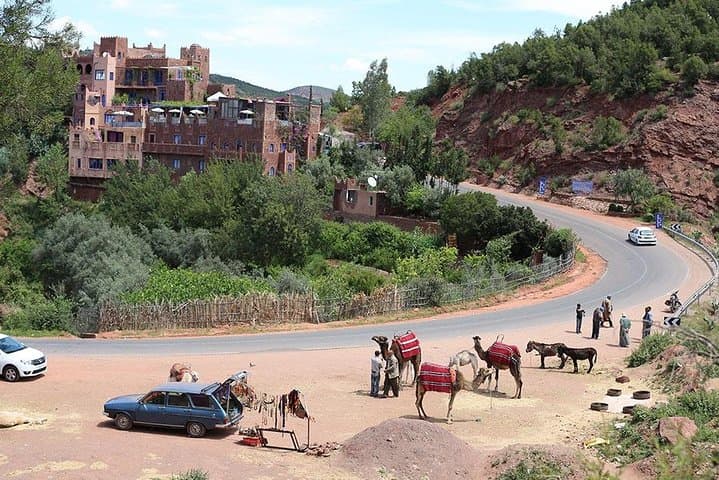
You step out of Marrakech's patterned lanes and the city heat gives way to a river that dares you further into the High Atlas. The road climbs, terraces and olive groves slide past the window, and the Ourika River calls with the sound of tumbling water. By midmorning you are in a village square where stone houses and flat roofs frame a lifetime of mountain work.
Verified experiences and guided adventures in the surrounding area.
Operated by Tilila Travel · Marrakech, Marrakech-Safi
You step out of Marrakech's patterned lanes and the city heat gives way to a river that dares you further into the High Atlas. The road climbs, terraces and olive groves slide past the window, and the Ourika River calls with the sound of tumbling water. By midmorning you are in a village square where stone houses and flat roofs frame a lifetime of mountain work.
The Ourika Valley sits on the southern slopes of the High Atlas, shaped by glacial and fluvial forces that carved deep gorges and created the stepped terraces you see today. Berber communities have lived here for centuries; during the tour you'll visit 16th- and 17th-century villages and a traditional Berber house where local crafts and daily rhythms remain visible. Geology fans will note schist and limestone outcrops, and the valley’s orientation channels winter snowmelt into the waterfalls near Setti Fatma.
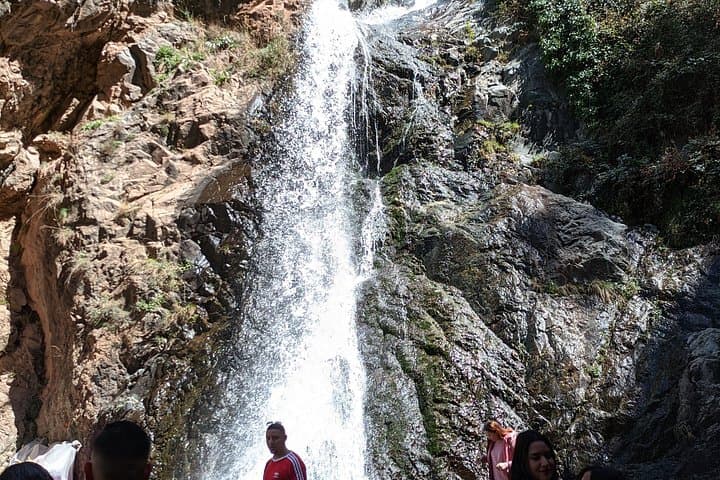
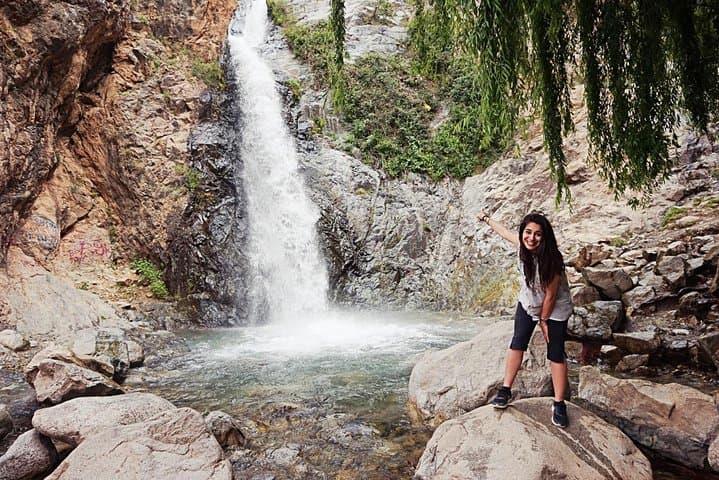
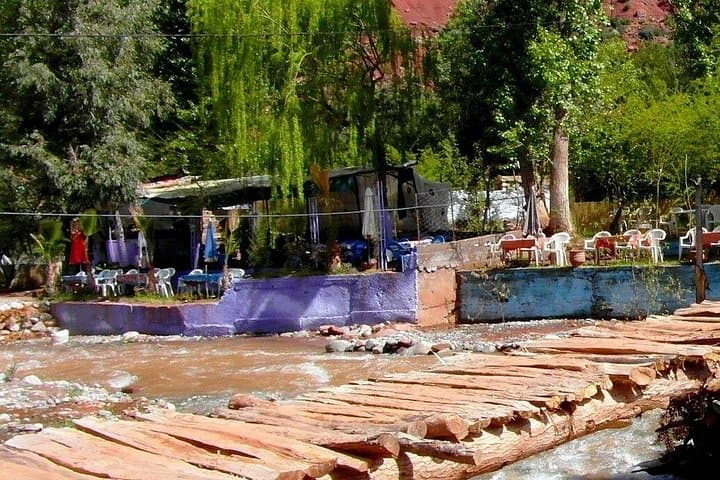
Expect a mix of easy driving, short photo stops, an optional camel ride, and a roughly two-hour uphill trek to the main waterfalls—rocky trails, some loose scree, and occasional river crossings. Lunch typically comes at a family-run restaurant overlooking the valley; bring cash for small purchases and tips.
Timing matters: start early to avoid midday heat and crowds. Wear sturdy shoes, carry 1–2 liters of water, a sun layer, and a light jacket for higher elevations. The trip is travel-friendly for most fitness levels but not recommended for people with serious back, heart, or pregnancy concerns. By evening you'll return to Marrakech with mountain air on your cheeks and a clearer picture of Berber mountain life.
easy.
7–8 hours.
Suitable for most people who can handle up to two hours of moderate uphill walking; not strenuous but requires steady footing.
The drive to the Ourika Valley is about 45–75 minutes depending on traffic and the specific stopping points selected by the tour.
The hike to the waterfalls is moderate—roughly two hours round-trip on rocky, sometimes steep trail; it’s manageable for most people with reasonable mobility.
Typically the itinerary includes transport and guide; optional activities like camel rides and some local admissions are paid separately on site—bring cash.
Yes—families often join; however the trek isn't stroller-friendly and the tour is not recommended for very young infants, pregnant travelers, or those with serious back or heart issues.
Berber (Amazigh) groups have occupied the High Atlas for centuries; many villages retain traditional architecture and domestic crafts dating back to early regional settlement.
Tourism helps local economies but increases trail erosion and litter; stick to marked paths, avoid single-use plastics, and support family-run restaurants or guide services.
Tilila Travel operates guided outdoor trips and adventures with an emphasis on safety, stewardship, and memorable experiences.
You step out of Marrakech's patterned lanes and the city heat gives way to a river that dares you further into the High Atlas. The road climbs, terraces and olive groves slide past the window, and the Ourika River calls with the sound of tumbling water. By midmorning you are in a village square where stone houses and flat roofs frame a lifetime of mountain work.
You step out of Marrakech's patterned lanes and the city heat gives way to a river that dares you further into the High Atlas. The road climbs, terraces and olive groves slide past the window, and the Ourika River calls with the sound of tumbling water. By midmorning you are in a village square where stone houses and flat roofs frame a lifetime of mountain work.
The Ourika Valley sits on the southern slopes of the High Atlas, shaped by glacial and fluvial forces that carved deep gorges and created the stepped terraces you see today. Berber communities have lived here for centuries; during the tour you'll visit 16th- and 17th-century villages and a traditional Berber house where local crafts and daily rhythms remain visible. Geology fans will note schist and limestone outcrops, and the valley’s orientation channels winter snowmelt into the waterfalls near Setti Fatma.
Expect a mix of easy driving, short photo stops, an optional camel ride, and a roughly two-hour uphill trek to the main waterfalls—rocky trails, some loose scree, and occasional river crossings. Lunch typically comes at a family-run restaurant overlooking the valley; bring cash for small purchases and tips.
Timing matters: start early to avoid midday heat and crowds. Wear sturdy shoes, carry 1–2 liters of water, a sun layer, and a light jacket for higher elevations. The trip is travel-friendly for most fitness levels but not recommended for people with serious back, heart, or pregnancy concerns. By evening you'll return to Marrakech with mountain air on your cheeks and a clearer picture of Berber mountain life.