THE ADVENTURE COLLECTIVE® · Independent discovery and booking for outdoor travel

Swap Marrakech’s bustle for a day in the High Atlas where river trails, a short camel ride and a home-cooked Berber lunch lead to waterfalls and wide mountain views. This practical day trip pairs cultural stops with an easy guided hike to Setti Fatma.
Swap Marrakech’s bustle for a day in the High Atlas where river trails, a short camel ride and a home-cooked Berber lunch lead to waterfalls and wide mountain views. This practical day trip pairs cultural stops with an easy guided hike to Setti Fatma.
Early light along the High Atlas spills down the valley walls and the Ourika River dares you to follow its ribbon of cool water toward jagged ridgelines. On this seven-hour loop from Marrakech you trade the city’s ochre streets for a mix of river terraces, olive groves and low, scrubby slopes where the mountains push the sky.
Verified experiences and guided adventures in the surrounding area.
Operated by Morocco Inspiring Tours · Ourika, Marrakesh-Safi
Early light along the High Atlas spills down the valley walls and the Ourika River dares you to follow its ribbon of cool water toward jagged ridgelines. On this seven-hour loop from Marrakech you trade the city’s ochre streets for a mix of river terraces, olive groves and low, scrubby slopes where the mountains push the sky.
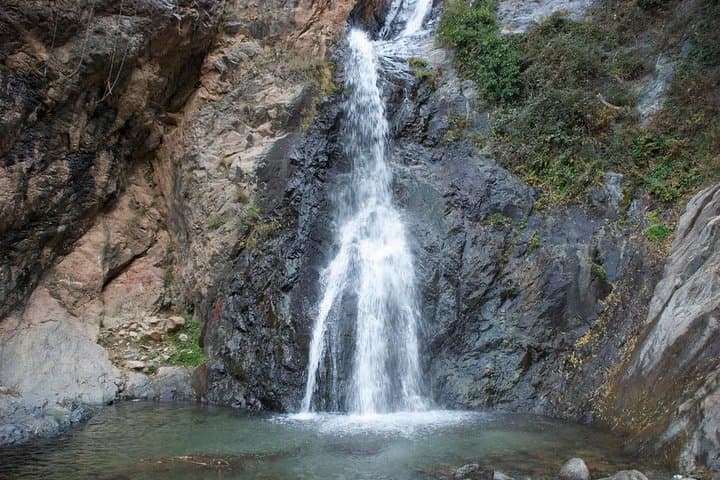
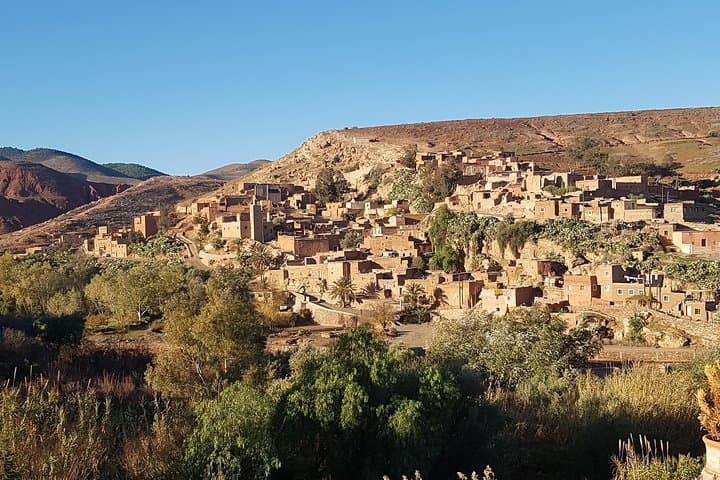
The valley has long been home to Amazigh (Berber) farming communities who engineered stone terraces and irrigated plots; argan trees and small co-ops remain central to local life. Geologically, the foothills are worn granite and schist, carved by seasonal torrents that create the waterfalls near Setti Fatma — the hike follows carved paths and rock steps rather than steep alpine routes. Culture arrives in practical moments: a stop at a women's argan cooperative, a home-cooked tajine lunch, and a shared pot of mint tea by the river.
Expect 60–90 minutes of guided hiking on uneven trails to reach the primary cascade, a 30–45 minute camel-ride experience near a riverside set-up, and relaxed transfer time in an air-conditioned vehicle. The guide will point out local flora, and the rhythm of the day is deliberately flexible to suit small groups.
Practicalities: bring sturdy shoes, sun protection and a refillable water bottle; pockets of shade are limited and trail surfaces can be slippery after rain. Plan for early departures from Marrakech to avoid midday heat and allow time for photos and a leisurely Berber lunch before the return drive.
moderate.
7 hours.
Suitable for people who can walk 1–2 hours on uneven terrain and handle short climbs; not technically demanding.
The guided hike portion typically lasts 60–90 minutes round-trip, on uneven and sometimes stepped trails to the main cascade.
Yes—camel rides are short (about 30–45 minutes) and designed for tourists; handlers assist mounting and dismounting.
Yes—a typical home-cooked Berber lunch and bottled water plus fresh mint tea are included; dietary options such as vegetarian and gluten-free are available if requested.
The valley sits roughly 50–60 kilometres from central Marrakech, with door-to-door transfers included in the tour time (about 1–1.5 hours each way depending on traffic).
The Ourika Valley has been inhabited by Amazigh (Berber) communities for centuries; terraced agriculture and argan harvesting remain core to daily life.
Tourism is concentrated at the waterfalls and co-ops—stick to marked paths, avoid leaving litter, and buy local products to support sustainable incomes.
Morocco Inspiring Tours operates guided outdoor trips and adventures with an emphasis on safety, stewardship, and memorable experiences.
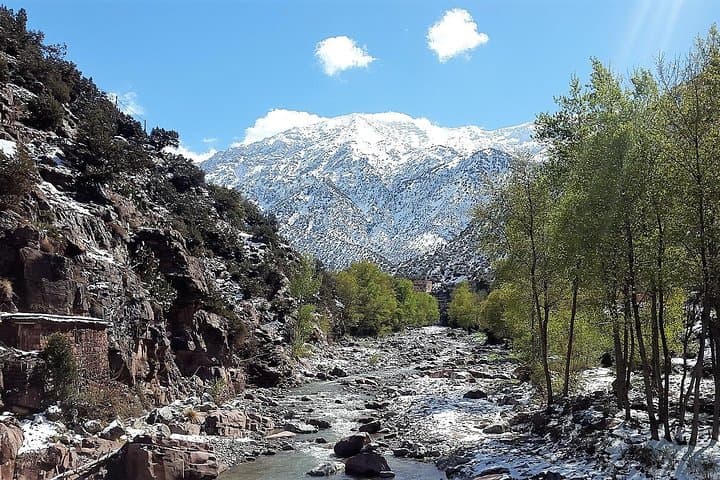
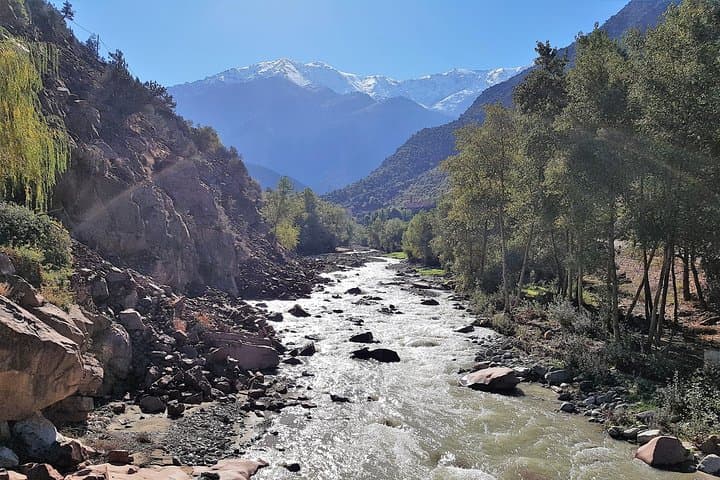
Early light along the High Atlas spills down the valley walls and the Ourika River dares you to follow its ribbon of cool water toward jagged ridgelines. On this seven-hour loop from Marrakech you trade the city’s ochre streets for a mix of river terraces, olive groves and low, scrubby slopes where the mountains push the sky.
Early light along the High Atlas spills down the valley walls and the Ourika River dares you to follow its ribbon of cool water toward jagged ridgelines. On this seven-hour loop from Marrakech you trade the city’s ochre streets for a mix of river terraces, olive groves and low, scrubby slopes where the mountains push the sky.
The valley has long been home to Amazigh (Berber) farming communities who engineered stone terraces and irrigated plots; argan trees and small co-ops remain central to local life. Geologically, the foothills are worn granite and schist, carved by seasonal torrents that create the waterfalls near Setti Fatma — the hike follows carved paths and rock steps rather than steep alpine routes. Culture arrives in practical moments: a stop at a women's argan cooperative, a home-cooked tajine lunch, and a shared pot of mint tea by the river.
Expect 60–90 minutes of guided hiking on uneven trails to reach the primary cascade, a 30–45 minute camel-ride experience near a riverside set-up, and relaxed transfer time in an air-conditioned vehicle. The guide will point out local flora, and the rhythm of the day is deliberately flexible to suit small groups.
Practicalities: bring sturdy shoes, sun protection and a refillable water bottle; pockets of shade are limited and trail surfaces can be slippery after rain. Plan for early departures from Marrakech to avoid midday heat and allow time for photos and a leisurely Berber lunch before the return drive.