THE ADVENTURE COLLECTIVE® · Independent discovery and booking for outdoor travel

Escape Marrakech for a full-day excursion into the High Atlas where a short waterfall hike, a gentle camel ride and an authentic Berber lunch reveal the valley’s geology and living culture. Practical advice on timing, footing and what to bring helps you make the most of the day.
Escape Marrakech for a full-day excursion into the High Atlas where a short waterfall hike, a gentle camel ride and an authentic Berber lunch reveal the valley’s geology and living culture. Practical advice on timing, footing and what to bring helps you make the most of the day.
You step out of Marrakech's morning heat into a ribbon of road that slides up into the High Atlas; olive terraces and argan trees flank the valley as the city fades behind you. The tour drops you at a small riverside hamlet where camels wait quietly, the animals’ patient sway matching the valley’s slow tempo.
Verified experiences and guided adventures in the surrounding area.
Operated by Morocco unlimited adventures · Ourika, Marrakech-Safi
You step out of Marrakech's morning heat into a ribbon of road that slides up into the High Atlas; olive terraces and argan trees flank the valley as the city fades behind you. The tour drops you at a small riverside hamlet where camels wait quietly, the animals’ patient sway matching the valley’s slow tempo.
The Ourika Valley has long been a summer refuge for Marrakech residents. Geologically, the valley is cut by tributaries from the High Atlas, carving stepped terraces and sandstone outcrops that funnel waterfalls during the rainy season. Culturally, this is Berber country: family-run homes, women’s argan cooperatives, and simple tea rituals that reveal daily life here.
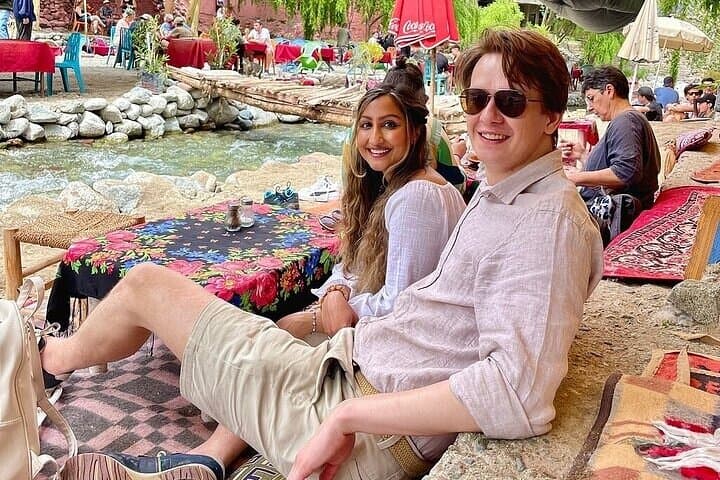
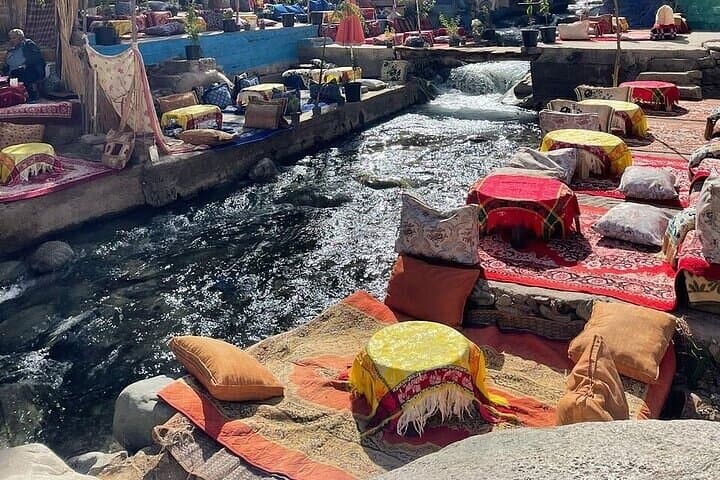
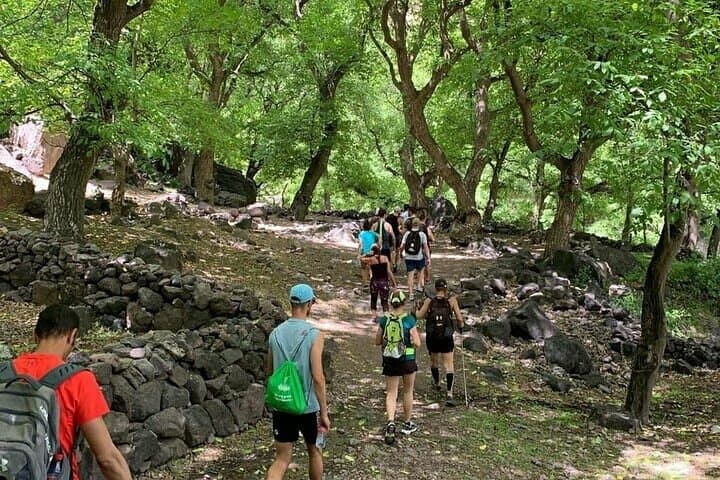
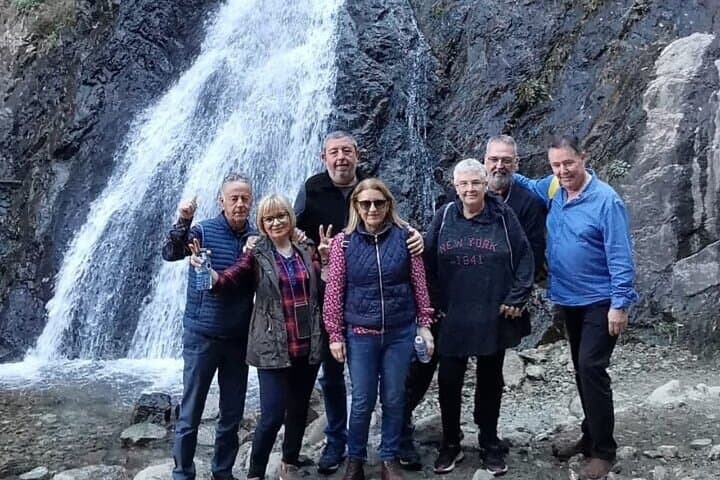
The itinerary pairs a short guided hike to a nearby waterfall with a visit to a Berber house for a homemade lunch—typically tagine and fresh bread—plus a photo stop at a cooperative producing argan oil. Expect a two-hour walk of moderate footing on rocky, sometimes steep paths, and a gentle camel track suited for first-time riders.
Practical tips: wear sturdy shoes with grip, bring sun protection and at least 1.5 liters of water, and carry small change for cooperatives and guides. Timing matters—mornings are cooler and the waterfalls are more impressive after winter rains. The tour is accessible for most fitness levels but includes uneven trails and basic camel saddles. For travelers wanting to stretch the day, additional short walks further up-valley reward with quieter views and fewer visitors.
moderate.
8–10 hours.
Suitable for travelers in average fitness who can manage uneven ground and short uphill sections.
The guided hike section is roughly two hours round-trip over uneven terrain, depending on pace and exact waterfall visited.
Yes—camel rides on this tour are short and designed for first-time riders using traditional saddles and handlers.
Local hosts can often accommodate vegetarian requests if notified in advance; confirm dietary needs when booking.
The vehicle pick-up and some village areas are accessible, but the waterfall hike and camel ride involve uneven ground and are not suitable for wheelchair users.
The valley has been home to Amazigh (Berber) communities for centuries; seasonal transhumance and terrace farming shaped settlement patterns and local architecture.
Argan cooperatives support local livelihoods and sustainable harvesting; visitors should avoid disturbing terraces and follow leave-no-trace practices.
Morocco unlimited adventures operates guided outdoor trips and adventures with an emphasis on safety, stewardship, and memorable experiences.
You step out of Marrakech's morning heat into a ribbon of road that slides up into the High Atlas; olive terraces and argan trees flank the valley as the city fades behind you. The tour drops you at a small riverside hamlet where camels wait quietly, the animals’ patient sway matching the valley’s slow tempo.
You step out of Marrakech's morning heat into a ribbon of road that slides up into the High Atlas; olive terraces and argan trees flank the valley as the city fades behind you. The tour drops you at a small riverside hamlet where camels wait quietly, the animals’ patient sway matching the valley’s slow tempo.
The Ourika Valley has long been a summer refuge for Marrakech residents. Geologically, the valley is cut by tributaries from the High Atlas, carving stepped terraces and sandstone outcrops that funnel waterfalls during the rainy season. Culturally, this is Berber country: family-run homes, women’s argan cooperatives, and simple tea rituals that reveal daily life here.
The itinerary pairs a short guided hike to a nearby waterfall with a visit to a Berber house for a homemade lunch—typically tagine and fresh bread—plus a photo stop at a cooperative producing argan oil. Expect a two-hour walk of moderate footing on rocky, sometimes steep paths, and a gentle camel track suited for first-time riders.
Practical tips: wear sturdy shoes with grip, bring sun protection and at least 1.5 liters of water, and carry small change for cooperatives and guides. Timing matters—mornings are cooler and the waterfalls are more impressive after winter rains. The tour is accessible for most fitness levels but includes uneven trails and basic camel saddles. For travelers wanting to stretch the day, additional short walks further up-valley reward with quieter views and fewer visitors.