THE ADVENTURE COLLECTIVE® · Independent discovery and booking for outdoor travel

A short drive from Marrakech drops you into the green folds of the Ourika Valley, where terraced gardens, mountain water, and Berber villages shape a striking day trip. Expect waterfall walks, a home-cooked meal in Ait Souka, and clear Atlas views.
A short drive from Marrakech drops you into the green folds of the Ourika Valley, where terraced gardens, mountain water, and Berber villages shape a striking day trip. Expect waterfall walks, a home-cooked meal in Ait Souka, and clear Atlas views.
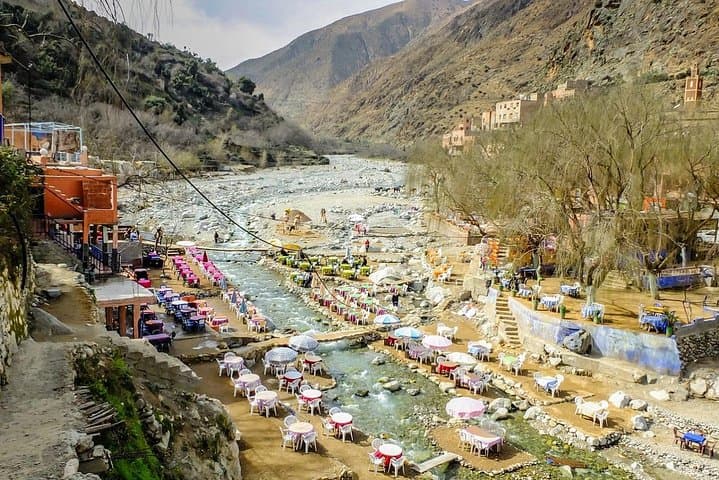
Early morning light slants across Marrakesh as the road climbs toward the High Atlas and the Ourika River appears like a silver thread through green folds.
Verified experiences and guided adventures in the surrounding area.
Operated by Quad Dream Adventure Morocco · Marrakech, Marrakech-Safi
Early morning light slants across Marrakesh as the road climbs toward the High Atlas and the Ourika River appears like a silver thread through green folds.
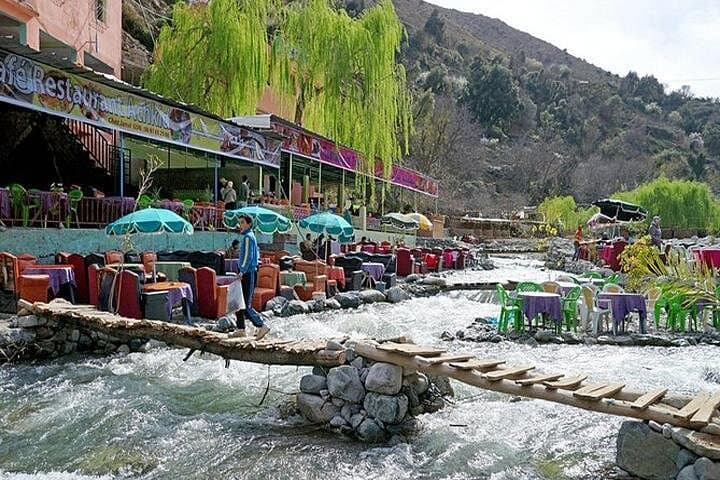
You step out where terraced gardens press against steep slopes and the air cools; the valley’s seven waterfalls and scattered Berber houses give the landscape a worked, lived-in feel. Geologically, the High Atlas is young and uplifted, its granite and schist carved by seasonal torrents that sculpt narrow gorges and wide, cultivable benches.
The region has long been home to Amazigh (Berber) communities whose farming practices—irrigated terraces, walnut groves, and small orchards—shape both scenery and daily life. Villages such as Ait Souka preserve kitchen rituals and hospitality: a shared meal in a family home is as much social exchange as it is food.
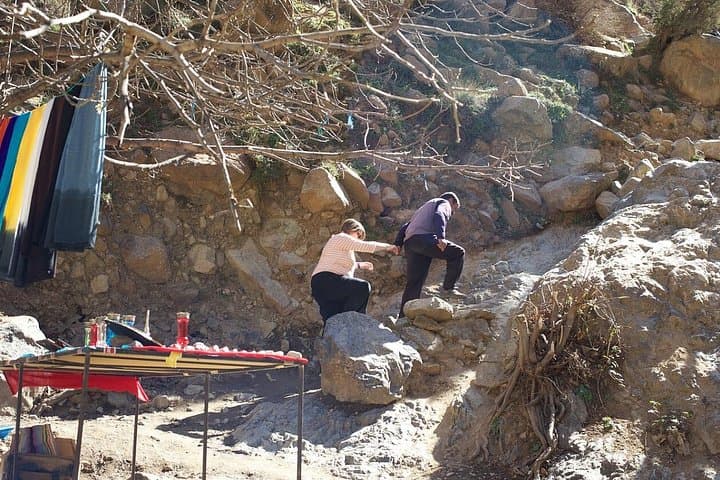
Practical guidance: most operators run this as a half- to full-day tour from Marrakech with hotel pick-up in an air-conditioned vehicle; expect short walks to viewpoints and a moderate scramble to the lower waterfalls. Wear grippy shoes for river rocks and uneven paths, carry water and sun protection, and plan for changing mountain weather—layers are useful even in summer.
Timing is important: waterfalls swell after winter rains and in spring, while late summer can be drier. If you want quieter trails, aim for a weekday morning and consider a guide who knows the local routes, souk days, and which households welcome visitors for a meal.
easy.
5–6 hours.
Suitable for most fitness levels; involves short walks and some uneven terrain—able to walk 30–60 minutes at a time.
The valley is roughly a 40–60 minute drive from central Marrakech depending on traffic and your exact pickup point.
Lower waterfall paths are family-friendly but can be uneven; supervise children on river rocks and consider stroller limitations noted by operators.
Guides enhance the visit—arranging hospitality with a Berber family, navigating trails, and explaining local culture and agriculture—but short, self-guided stops are possible in accessible areas.
Late winter and spring usually offer the most water after seasonal rains; late summer may have reduced flow but clearer weather.
The Ourika Valley has been inhabited by Amazigh communities for centuries; terraced agriculture and communal irrigation practices reflect long-standing mountain lifeways.
Increasing day-tour traffic stresses trails and fresh-water sources—stick to paths, avoid single-use plastics, and support family-run homestays that follow local waste practices.
Quad Dream Adventure Morocco operates guided outdoor trips and adventures with an emphasis on safety, stewardship, and memorable experiences.

Early morning light slants across Marrakesh as the road climbs toward the High Atlas and the Ourika River appears like a silver thread through green folds.
Early morning light slants across Marrakesh as the road climbs toward the High Atlas and the Ourika River appears like a silver thread through green folds.
You step out where terraced gardens press against steep slopes and the air cools; the valley’s seven waterfalls and scattered Berber houses give the landscape a worked, lived-in feel. Geologically, the High Atlas is young and uplifted, its granite and schist carved by seasonal torrents that sculpt narrow gorges and wide, cultivable benches.
The region has long been home to Amazigh (Berber) communities whose farming practices—irrigated terraces, walnut groves, and small orchards—shape both scenery and daily life. Villages such as Ait Souka preserve kitchen rituals and hospitality: a shared meal in a family home is as much social exchange as it is food.
Practical guidance: most operators run this as a half- to full-day tour from Marrakech with hotel pick-up in an air-conditioned vehicle; expect short walks to viewpoints and a moderate scramble to the lower waterfalls. Wear grippy shoes for river rocks and uneven paths, carry water and sun protection, and plan for changing mountain weather—layers are useful even in summer.
Timing is important: waterfalls swell after winter rains and in spring, while late summer can be drier. If you want quieter trails, aim for a weekday morning and consider a guide who knows the local routes, souk days, and which households welcome visitors for a meal.