THE ADVENTURE COLLECTIVE® · Independent discovery and booking for outdoor travel

Escape Marrakech for a half-day in the Atlas foothills: hike to Setti Fatma waterfalls, visit an argan cooperative, and sample riverside tagine. This accessible excursion blends light adventure with cultural insight.
Escape Marrakech for a half-day in the Atlas foothills: hike to Setti Fatma waterfalls, visit an argan cooperative, and sample riverside tagine. This accessible excursion blends light adventure with cultural insight.
Morning light slides across ochre riads as a van pulls away from Marrakech and the city’s noise thins. The road climbs; olive groves and terraced fields open like pages revealing the High Atlas. By the time you reach the Ourika Valley, the river has claimed a clearer voice—cold water daring you to step closer—and the air carries faint woodsmoke and the scent of argan oil.
Verified experiences and guided adventures in the surrounding area.
Operated by Morocco Safe Adventure · Ourika, Marrakesh-Safi
Morning light slides across ochre riads as a van pulls away from Marrakech and the city’s noise thins. The road climbs; olive groves and terraced fields open like pages revealing the High Atlas. By the time you reach the Ourika Valley, the river has claimed a clearer voice—cold water daring you to step closer—and the air carries faint woodsmoke and the scent of argan oil.
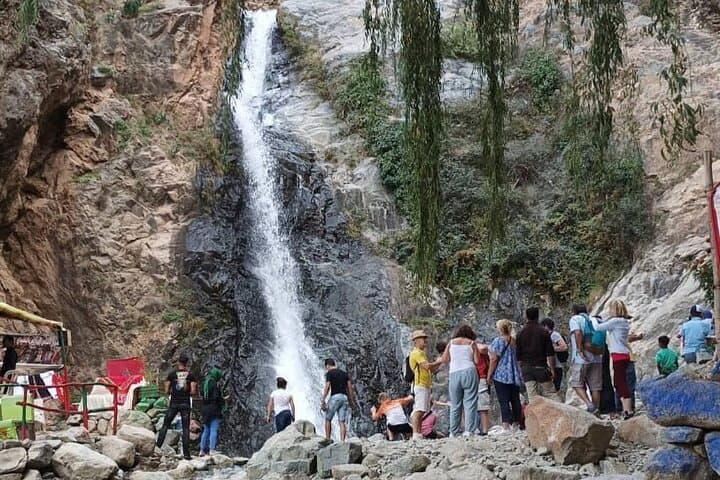
The valley has long been shaped by human hands and geology: soft schist and sandstone carved by winter rains into narrow gorges and stepped terraces where Berber communities raise goats and cultivate small plots. Setti Fatma, the cluster of cascades at the valley’s head, feels both ancient and immediate—water finding its path over layered rock, hikers tracing well-worn trails used by generations. Local argan cooperatives offer a direct line to regional craft and economy; the small mills preserve techniques for pressing oil that fed and lubricated communities for centuries.
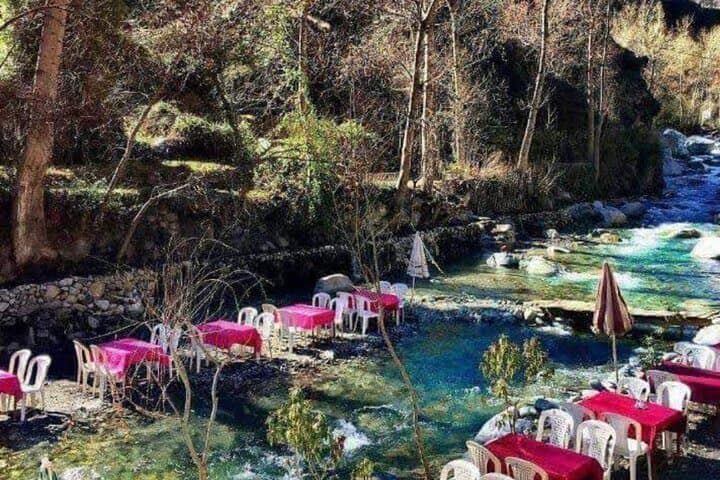
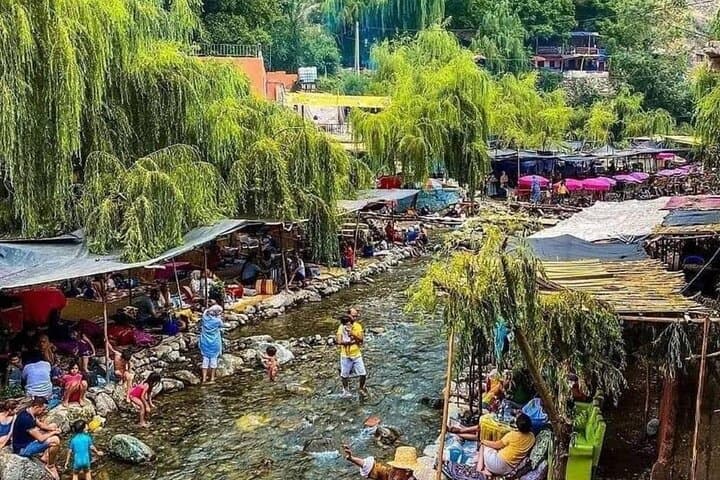
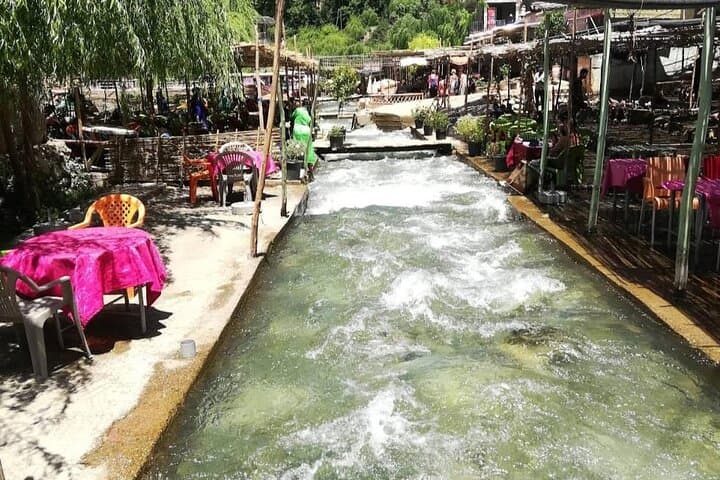
Expect easy-to-moderate walking: maintained stone paths, some short, steep steps, and viewpoints that reward a little breathlessness with broad valley vistas. Cultural moments are spare but real—tea in a riverside café, conversation with cooperative members, and a lunch of tagine beside the stream.
Practical guidance: bring sturdy shoes with good grip, a refillable water bottle, sun protection, and a lightweight layer for higher-altitude breezes. If you want to swim, pack a swimsuit and quick-dry towel; note that currents can be stronger than they look. Plan to leave Marrakech early to avoid heat and get the best light for photos.
moderate.
5 hours.
Moderate fitness: able to walk uneven paths, ascend short steep sections and handle a few kilometers of on-foot exploration.
Expect roughly 1–1.5 hours each way depending on traffic and route; the tour schedules time for stops and viewpoints.
Yes—there are spots for a quick dip, but currents can be variable and water is cold; use caution and avoid deeper pools if unsure.
Lunch at a local restaurant is typically included or available as an option on many day tours—confirm at booking for this specific departure.
Families and active older travelers can usually enjoy the tour, but anyone with mobility or cardiovascular issues should review trail difficulty and inform the operator.
The Ourika Valley has been inhabited by Berber communities for centuries; terraced agriculture and argan cultivation reflect long-standing local practices.
Argan forests are protected in parts of southern Morocco; support reputable cooperatives to ensure fair payment to harvesters and reduce pressure on wild stands.
Morocco Safe Adventure operates guided outdoor trips and adventures with an emphasis on safety, stewardship, and memorable experiences.
Morning light slides across ochre riads as a van pulls away from Marrakech and the city’s noise thins. The road climbs; olive groves and terraced fields open like pages revealing the High Atlas. By the time you reach the Ourika Valley, the river has claimed a clearer voice—cold water daring you to step closer—and the air carries faint woodsmoke and the scent of argan oil.
Morning light slides across ochre riads as a van pulls away from Marrakech and the city’s noise thins. The road climbs; olive groves and terraced fields open like pages revealing the High Atlas. By the time you reach the Ourika Valley, the river has claimed a clearer voice—cold water daring you to step closer—and the air carries faint woodsmoke and the scent of argan oil.
The valley has long been shaped by human hands and geology: soft schist and sandstone carved by winter rains into narrow gorges and stepped terraces where Berber communities raise goats and cultivate small plots. Setti Fatma, the cluster of cascades at the valley’s head, feels both ancient and immediate—water finding its path over layered rock, hikers tracing well-worn trails used by generations. Local argan cooperatives offer a direct line to regional craft and economy; the small mills preserve techniques for pressing oil that fed and lubricated communities for centuries.
Expect easy-to-moderate walking: maintained stone paths, some short, steep steps, and viewpoints that reward a little breathlessness with broad valley vistas. Cultural moments are spare but real—tea in a riverside café, conversation with cooperative members, and a lunch of tagine beside the stream.
Practical guidance: bring sturdy shoes with good grip, a refillable water bottle, sun protection, and a lightweight layer for higher-altitude breezes. If you want to swim, pack a swimsuit and quick-dry towel; note that currents can be stronger than they look. Plan to leave Marrakech early to avoid heat and get the best light for photos.