THE ADVENTURE COLLECTIVE® · Independent discovery and booking for outdoor travel

A six- to seven-hour day trip from Marrakech into the Ourika Valley, this excursion pairs roadside panoramas with a guided hike to Setti Fatma’s waterfalls, visits to an argan cooperative, and close-up Atlas views. Expect terraces, river trails, and short steep sections.
A six- to seven-hour day trip from Marrakech into the Ourika Valley, this excursion pairs roadside panoramas with a guided hike to Setti Fatma’s waterfalls, visits to an argan cooperative, and close-up Atlas views. Expect terraces, river trails, and short steep sections.
You leave Marrakech behind as the city’s ochre roofs flatten into olive-silver groves and the road climbs toward the High Atlas. By mid-morning the valley opens: a narrow river threads between terraced plots and stone Berber houses, and the peaks above hold snow well into spring. The guide leads a steady pace along mule tracks and footpaths where water glints and cliff faces lean in close — the waterfalls ahead announce themselves long before you see them.
Verified experiences and guided adventures in the surrounding area.
Operated by morocco private trips · Marrakech, Marrakech-Safi
You leave Marrakech behind as the city’s ochre roofs flatten into olive-silver groves and the road climbs toward the High Atlas. By mid-morning the valley opens: a narrow river threads between terraced plots and stone Berber houses, and the peaks above hold snow well into spring. The guide leads a steady pace along mule tracks and footpaths where water glints and cliff faces lean in close — the waterfalls ahead announce themselves long before you see them.
Geology here is blunt and readable: folded sandstones and schists tilted by ancient collisions, ridges that funnel storm run-off into cascades and channels. Human history sits on that geology — Amazigh (Berber) communities have farmed these slopes for centuries, building stone terraces and sharing argan-pressing cooperatives that you’ll often pass en route.
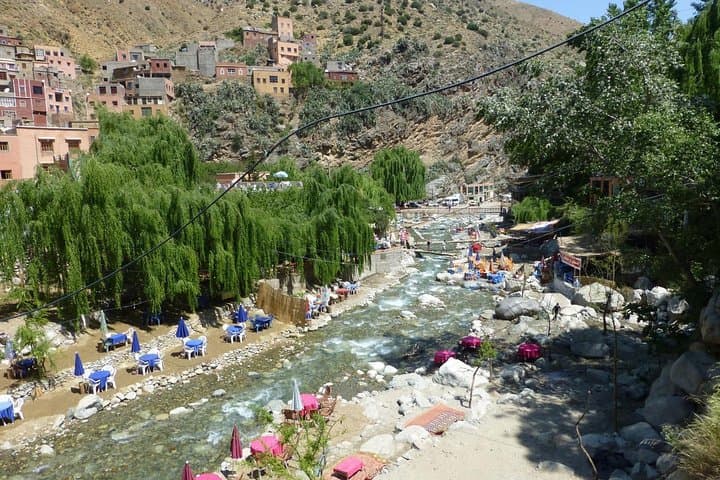
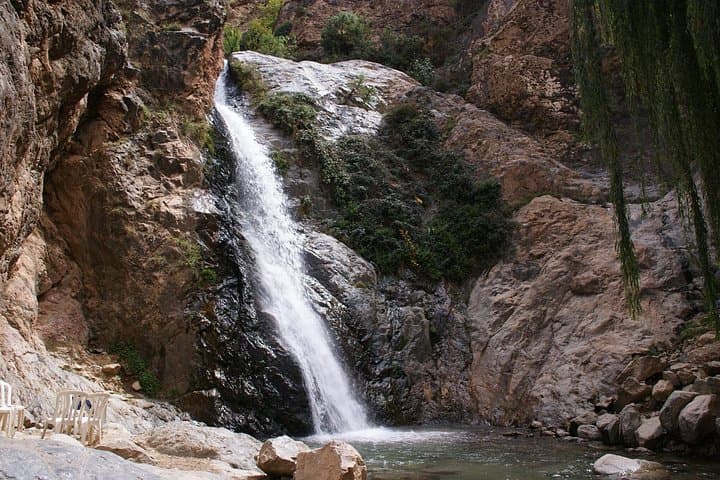
Culturally the valley is practical and welcoming: expect brief stops at an argan cooperative and small village markets selling honey, herbs and hand-stitched textiles. The most popular endpoint, Setti Fatma waterfalls, is a series of cascades that dare you closer; upper pools require steeper, rockier steps.
Practical guidance: the full excursion from Marrakech runs about 6–7 hours with light-to-moderate hiking, uneven terrain, and some short steep sections — good hiking shoes and water are non-negotiable. Morning departures avoid midday heat; bring sun protection and small bills for local purchases and tips. Move deliberately on wet rock, respect private terraces, and consider hiring a local guide to deepen your experience and support the valley’s economy.
moderate.
6–7 hours.
Moderate fitness: comfortable walking on uneven terrain, some short steep ascents
Expect roughly 2–3 hours of walking total—shorter if you skip upper cascades—embedded within a 6–7 hour round-trip tour from Marrakech.
Children and active older travelers can manage the lower falls; upper sections are steeper and require sure footing and caution.
Most tours include guide support and transport but not mandatory local donations; confirm inclusions with your operator before booking.
Yes — the excursion includes pickup and return in an air-conditioned vehicle; pickup point details are arranged at booking.
The Ourika Valley has been inhabited by Amazigh (Berber) farming communities for centuries; stone terraces and cooperative argan presses reflect a long local agricultural tradition.
Tourism can strain water and trail systems; stick to paths, avoid single-use plastics, and support local cooperatives to direct income into the valley.
morocco private trips operates guided outdoor trips and adventures with an emphasis on safety, stewardship, and memorable experiences.
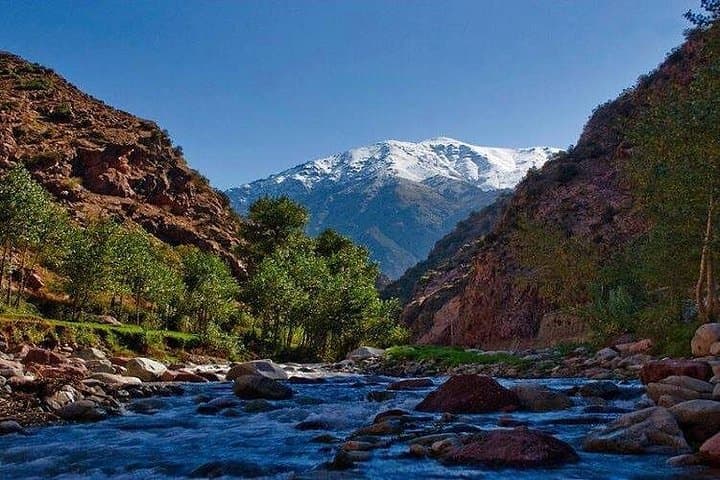
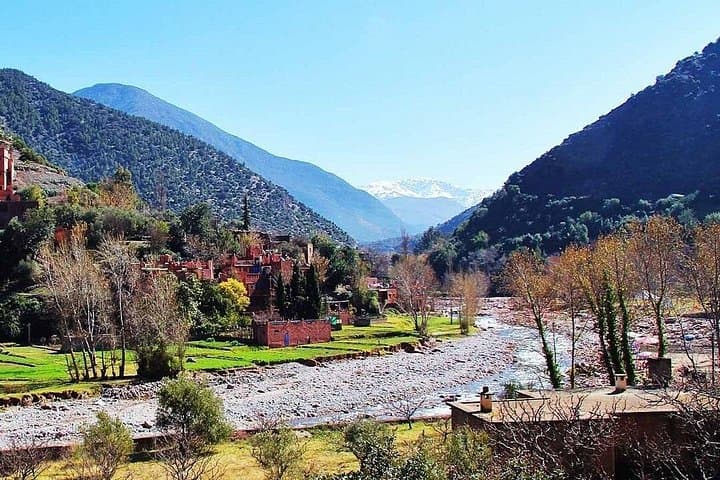
You leave Marrakech behind as the city’s ochre roofs flatten into olive-silver groves and the road climbs toward the High Atlas. By mid-morning the valley opens: a narrow river threads between terraced plots and stone Berber houses, and the peaks above hold snow well into spring. The guide leads a steady pace along mule tracks and footpaths where water glints and cliff faces lean in close — the waterfalls ahead announce themselves long before you see them.
You leave Marrakech behind as the city’s ochre roofs flatten into olive-silver groves and the road climbs toward the High Atlas. By mid-morning the valley opens: a narrow river threads between terraced plots and stone Berber houses, and the peaks above hold snow well into spring. The guide leads a steady pace along mule tracks and footpaths where water glints and cliff faces lean in close — the waterfalls ahead announce themselves long before you see them.
Geology here is blunt and readable: folded sandstones and schists tilted by ancient collisions, ridges that funnel storm run-off into cascades and channels. Human history sits on that geology — Amazigh (Berber) communities have farmed these slopes for centuries, building stone terraces and sharing argan-pressing cooperatives that you’ll often pass en route.
Culturally the valley is practical and welcoming: expect brief stops at an argan cooperative and small village markets selling honey, herbs and hand-stitched textiles. The most popular endpoint, Setti Fatma waterfalls, is a series of cascades that dare you closer; upper pools require steeper, rockier steps.
Practical guidance: the full excursion from Marrakech runs about 6–7 hours with light-to-moderate hiking, uneven terrain, and some short steep sections — good hiking shoes and water are non-negotiable. Morning departures avoid midday heat; bring sun protection and small bills for local purchases and tips. Move deliberately on wet rock, respect private terraces, and consider hiring a local guide to deepen your experience and support the valley’s economy.