THE ADVENTURE COLLECTIVE® · Independent discovery and booking for outdoor travel

Escape Marrakech for a day of Berber hospitality and Atlas foothill scenery—visit pottery workshops, an argan women’s cooperative, and choose between a riverside lunch or a hike to Setti Fatma waterfalls.
Escape Marrakech for a day of Berber hospitality and Atlas foothill scenery—visit pottery workshops, an argan women’s cooperative, and choose between a riverside lunch or a hike to Setti Fatma waterfalls.
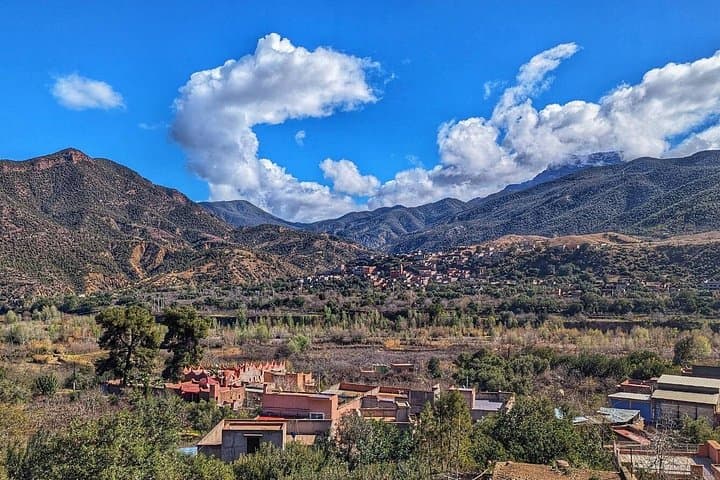
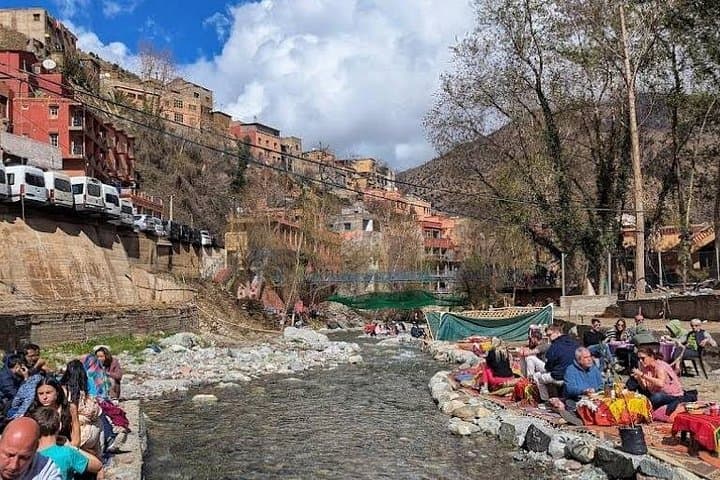
A morning drive south from Marrakech threads the city into farmers’ fields and then up into the lower High Atlas—olive groves give way to scrub and stone, and the Ourika River begins to sing. By the time the minivan curves into Setti Fatma, the air tastes of mint and wood smoke and the river dares you to step closer.
Verified experiences and guided adventures in the surrounding area.
Operated by Tours Made In Morocco · Setti Fatma, Marrakesh-Safi
A morning drive south from Marrakech threads the city into farmers’ fields and then up into the lower High Atlas—olive groves give way to scrub and stone, and the Ourika River begins to sing. By the time the minivan curves into Setti Fatma, the air tastes of mint and wood smoke and the river dares you to step closer.
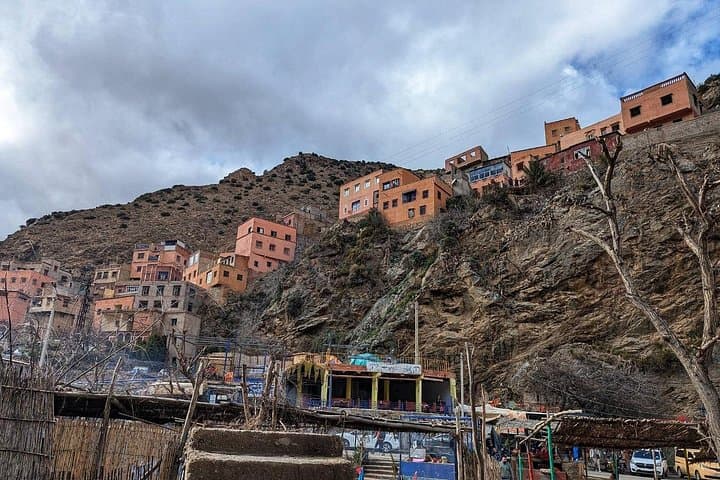
The valley has long been a seasonal corridor for Amazigh (Berber) communities whose stone-and-earth villages cling to the mountain toes. Geologically, this is folded Atlas country: layered schist and limestone carved by rain and snowmelt into narrow gorges and stepped terraces. Local craft traditions—pottery shaped on a low wheel, argan oil pressed by hand—reflect centuries of resourceful living with scarce water and tough soils.
On a day tour you’ll move between cultural stops and a nature walk: a pottery demonstration, a visit to a Berber house for mint tea and fresh bread, a women’s cooperative showing argan processing, then an optional hike toward the Setti Fatma waterfalls. The waterfall trail is rocky and intermittently steep; expect short climbs, river crossings, and wide valley views rather than technical scrambling.
Practical edge: start early to avoid midday heat and crowds from Marrakech, wear sturdy shoes with grip, carry at least 1–1.5 liters of water, and bring small bills for cooperative purchases and local guides. If you choose the waterfall walk, allow 1.5–2.5 hours round-trip for steady hikers. The tour pairs cultural context with accessible mountain scenery—ideal for travelers who want both human stories and a breath of High Atlas air.
easy.
7–9 hours.
Suitable for walkers in average condition; optional waterfall hike requires basic stamina for uneven terrain.
No; the tour offers an optional guided walk to the Setti Fatma cascades—you can stay in the village for lunch instead.
Yes; the itinerary includes pottery, a Berber house visit with breakfast, and a women’s argan cooperative demonstration.
Yes; hotel or riad pick-up and drop-off in Marrakech are included in the tour price.
Infants and small children can be accommodated, but the waterfall trail is not stroller-friendly; cooperative and village stops are accessible.
The Ourika Valley is part of the traditional lands of Amazigh (Berber) communities; argan harvesting and small-scale pottery have sustained families for generations.
Women’s cooperatives promote sustainable argan harvesting; visitors should avoid disturbing terraces and stick to designated paths to reduce erosion.
Tours Made In Morocco operates guided outdoor trips and adventures with an emphasis on safety, stewardship, and memorable experiences.
A morning drive south from Marrakech threads the city into farmers’ fields and then up into the lower High Atlas—olive groves give way to scrub and stone, and the Ourika River begins to sing. By the time the minivan curves into Setti Fatma, the air tastes of mint and wood smoke and the river dares you to step closer.
A morning drive south from Marrakech threads the city into farmers’ fields and then up into the lower High Atlas—olive groves give way to scrub and stone, and the Ourika River begins to sing. By the time the minivan curves into Setti Fatma, the air tastes of mint and wood smoke and the river dares you to step closer.
The valley has long been a seasonal corridor for Amazigh (Berber) communities whose stone-and-earth villages cling to the mountain toes. Geologically, this is folded Atlas country: layered schist and limestone carved by rain and snowmelt into narrow gorges and stepped terraces. Local craft traditions—pottery shaped on a low wheel, argan oil pressed by hand—reflect centuries of resourceful living with scarce water and tough soils.
On a day tour you’ll move between cultural stops and a nature walk: a pottery demonstration, a visit to a Berber house for mint tea and fresh bread, a women’s cooperative showing argan processing, then an optional hike toward the Setti Fatma waterfalls. The waterfall trail is rocky and intermittently steep; expect short climbs, river crossings, and wide valley views rather than technical scrambling.
Practical edge: start early to avoid midday heat and crowds from Marrakech, wear sturdy shoes with grip, carry at least 1–1.5 liters of water, and bring small bills for cooperative purchases and local guides. If you choose the waterfall walk, allow 1.5–2.5 hours round-trip for steady hikers. The tour pairs cultural context with accessible mountain scenery—ideal for travelers who want both human stories and a breath of High Atlas air.