THE ADVENTURE COLLECTIVE® · Independent discovery and booking for outdoor travel

An 8-hour private day trip from Marrakech into the Ourika Valley—waterfalls, Berber villages, argan cooperatives and a riverside tajine. Practical for first-time visitors seeking culture and easy mountain walking.
An 8-hour private day trip from Marrakech into the Ourika Valley—waterfalls, Berber villages, argan cooperatives and a riverside tajine. Practical for first-time visitors seeking culture and easy mountain walking.
You leave Marrakech as the city heat thins and the road climbs into the High Atlas, the air changing from dust to an herb-scented cool. The Ourika Valley opens in stages: terraced fields, stone Berber houses clinging to slopes, and the sound of water growing louder as you approach the waterfalls. A short walk along rutted tracks and a small suspension bridge brings you into the cliff-side paths where the falls push and tumble, daring you to pause.
Verified experiences and guided adventures in the surrounding area.
Operated by Morocco Desert Expeditions · Ourika, Marrakech-Safi
You leave Marrakech as the city heat thins and the road climbs into the High Atlas, the air changing from dust to an herb-scented cool. The Ourika Valley opens in stages: terraced fields, stone Berber houses clinging to slopes, and the sound of water growing louder as you approach the waterfalls. A short walk along rutted tracks and a small suspension bridge brings you into the cliff-side paths where the falls push and tumble, daring you to pause.
Geologically the valley is carved from limestone and schist; seasonal runoff swells the cascades in winter and spring. Culturally, this corridor has been a Berber trade route for centuries—market days on Monday and Friday still gather villagers selling olives, argan oil and hand-stitched textiles. You’ll likely visit a cooperative that presses argan by hand, and sit down for a tajine by the river where irrigation channels thread the fields.
On the practical side, expect an 8-hour private tour with hotel pickup, an English-speaking driver and a local mountain guide. Trails are maintained but uneven—short climbs and stone steps are common. Plan for variable temperatures: mornings can be cool, afternoons warm. Bring cash for market purchases and small tips for the guide.
Timing matters: spring offers peak wildflowers and stronger falls; summer dries the upper cascades but keeps green lower slopes. Respect private property, avoid disturbing livestock, and carry out trash. With basic footwear and a sensible pace, this day trip is a clear, accessible corridor into Atlas mountain life and landscape.
easy.
8 hours.
Suitable for people in regular, basic fitness—short hikes with modest elevation change; choose a slower pace if unaccustomed to uneven terrain.
The valley is about a 45–60 minute drive from central Marrakech depending on traffic and the exact meeting point.
Lower falls and village walks are suitable for most ages, but upper cascades require steeper hiking—check with your guide if traveling with young children or limited mobility.
Many tours include a traditional tajine either by the river or on a terrace; confirm dietary needs when booking.
Yes—cooperatives sell locally produced argan oil; buying directly supports women’s cooperatives but carry cash for purchases.
The Ourika corridor has long been a Berber agricultural and trading route; villages here preserve vernacular stone architecture and communal argan production methods.
Visitor pressure can strain water and trail systems—stick to marked paths, limit single-use plastics, and support local cooperatives that use sustainable argan harvesting.
Morocco Desert Expeditions operates guided outdoor trips and adventures with an emphasis on safety, stewardship, and memorable experiences.

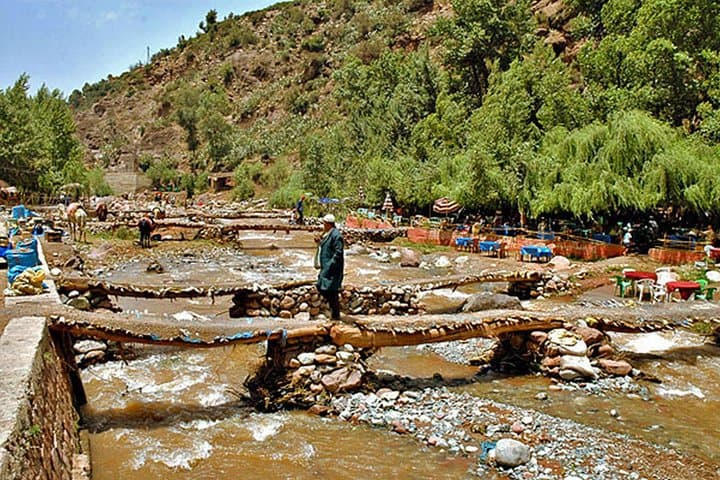
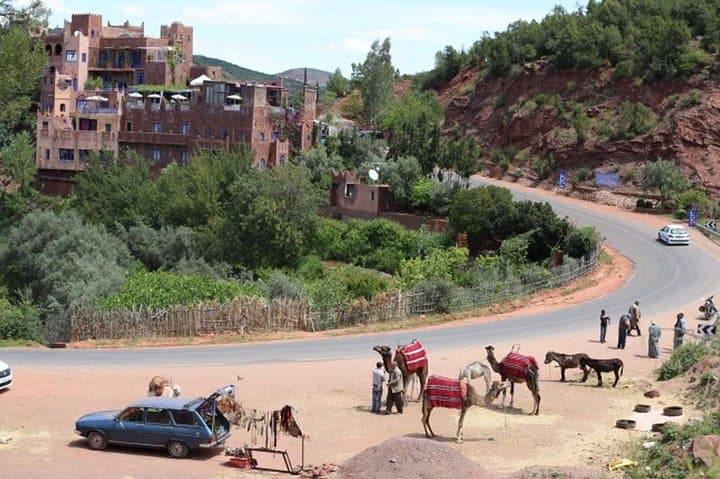

You leave Marrakech as the city heat thins and the road climbs into the High Atlas, the air changing from dust to an herb-scented cool. The Ourika Valley opens in stages: terraced fields, stone Berber houses clinging to slopes, and the sound of water growing louder as you approach the waterfalls. A short walk along rutted tracks and a small suspension bridge brings you into the cliff-side paths where the falls push and tumble, daring you to pause.
You leave Marrakech as the city heat thins and the road climbs into the High Atlas, the air changing from dust to an herb-scented cool. The Ourika Valley opens in stages: terraced fields, stone Berber houses clinging to slopes, and the sound of water growing louder as you approach the waterfalls. A short walk along rutted tracks and a small suspension bridge brings you into the cliff-side paths where the falls push and tumble, daring you to pause.
Geologically the valley is carved from limestone and schist; seasonal runoff swells the cascades in winter and spring. Culturally, this corridor has been a Berber trade route for centuries—market days on Monday and Friday still gather villagers selling olives, argan oil and hand-stitched textiles. You’ll likely visit a cooperative that presses argan by hand, and sit down for a tajine by the river where irrigation channels thread the fields.
On the practical side, expect an 8-hour private tour with hotel pickup, an English-speaking driver and a local mountain guide. Trails are maintained but uneven—short climbs and stone steps are common. Plan for variable temperatures: mornings can be cool, afternoons warm. Bring cash for market purchases and small tips for the guide.
Timing matters: spring offers peak wildflowers and stronger falls; summer dries the upper cascades but keeps green lower slopes. Respect private property, avoid disturbing livestock, and carry out trash. With basic footwear and a sensible pace, this day trip is a clear, accessible corridor into Atlas mountain life and landscape.