THE ADVENTURE COLLECTIVE® · Independent discovery and booking for outdoor travel

Escape Marrakech for a private day in the High Atlas: waterfalls, Berber villages, and mountain roads that open into the Ourika Valley. This tailored trip balances short hikes and cultural stops with a traditional Berber meal.
Escape Marrakech for a private day in the High Atlas: waterfalls, Berber villages, and mountain roads that open into the Ourika Valley. This tailored trip balances short hikes and cultural stops with a traditional Berber meal.
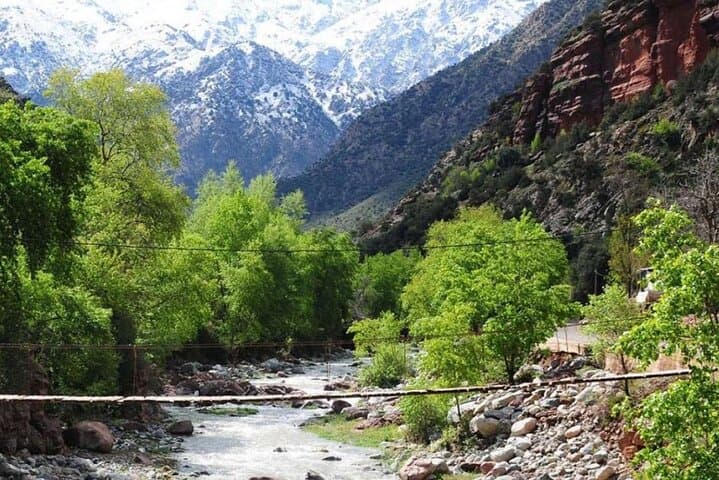
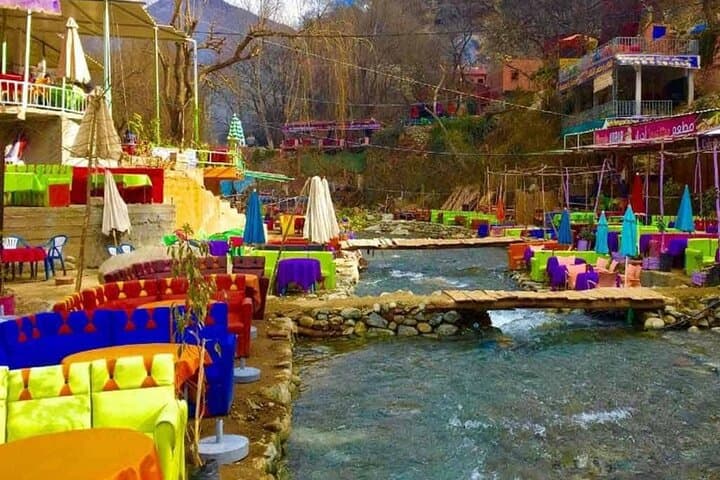
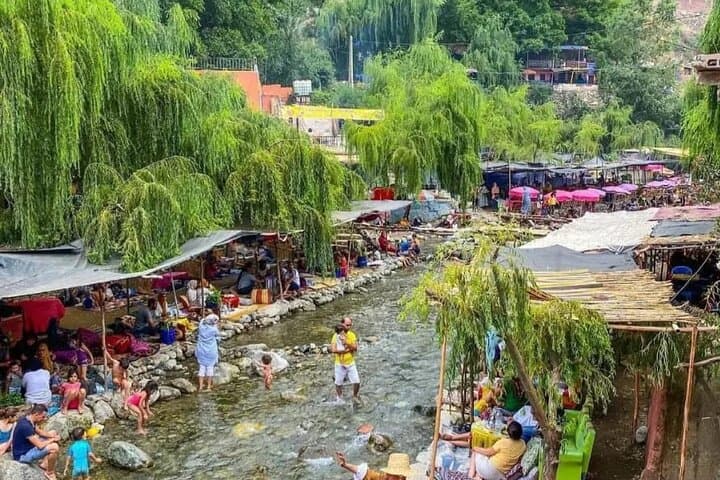
Morning light pushes through the serrated ridges of the High Atlas as a private vehicle threads south from Marrakech toward the Ourika Valley. The road tightens; villages appear like stacked stone, terraced fields stepping down to a river that dares you to follow it upstream. By midmorning you’re walking toward cool cascades, the sound of water cutting through the valley’s heat and the chatter of market stalls where locals trade herbs and handwoven goods.
Verified experiences and guided adventures in the surrounding area.
Operated by Marrakech day Trip · Marrakech, Marrakech-Safi
Morning light pushes through the serrated ridges of the High Atlas as a private vehicle threads south from Marrakech toward the Ourika Valley. The road tightens; villages appear like stacked stone, terraced fields stepping down to a river that dares you to follow it upstream. By midmorning you’re walking toward cool cascades, the sound of water cutting through the valley’s heat and the chatter of market stalls where locals trade herbs and handwoven goods.
Geologically, the High Atlas is young and rugged — folded limestone and schist pushed up by the collision of the African and Eurasian plates. The valley’s terraces tell a cultural story: Amazigh (Berber) families who have farmed these slopes for generations, irrigating small plots with channels that still run by hand. Traditional clay houses, village markets and a shared Berber meal offer a direct window into daily life here.
Expect short, moderate hikes to waterfalls (Setti Fatma is a common stop), stone footbridges, and opportunities to meet local guides who explain irrigation and herbal uses. Water flow peaks in spring; summer can be hot low in the valley but cooler at higher elevation.
Practical guidance: start early from Marrakech to avoid midday heat and traffic, bring cash for small purchases and mountain tasters, wear grippy shoes for wet stone, and pack a lightweight layer and sun protection. The private format means the day can be paced to your group’s comfort — more time at viewpoints or a longer village walk if you prefer.
easy.
8 hours.
Light to moderate walking ability; suitable for most fitness levels with optional short hikes.
Road time is roughly 45–75 minutes each way depending on traffic and the chosen route; plan on an 8-hour round trip including stops.
Yes—walks to primary waterfalls are short and can be tailored; mobility limitations should be discussed when booking the private tour.
Typical private itineraries include a traditional Berber meal arranged at a local riad or family restaurant, but confirm at booking.
A local guide enhances the experience—explaining village life, translating, and choosing safer routes; private guide and transport are included in this tour option.
The Ourika Valley has long been occupied by Amazigh (Berber) communities whose terrace farming and irrigation systems date back centuries, reflecting a mountain agrarian culture.
Increased visitors stress local water and waste systems; support local guides, avoid single-use plastics, and stick to established paths to reduce erosion.
Marrakech day Trip operates guided outdoor trips and adventures with an emphasis on safety, stewardship, and memorable experiences.
Morning light pushes through the serrated ridges of the High Atlas as a private vehicle threads south from Marrakech toward the Ourika Valley. The road tightens; villages appear like stacked stone, terraced fields stepping down to a river that dares you to follow it upstream. By midmorning you’re walking toward cool cascades, the sound of water cutting through the valley’s heat and the chatter of market stalls where locals trade herbs and handwoven goods.
Morning light pushes through the serrated ridges of the High Atlas as a private vehicle threads south from Marrakech toward the Ourika Valley. The road tightens; villages appear like stacked stone, terraced fields stepping down to a river that dares you to follow it upstream. By midmorning you’re walking toward cool cascades, the sound of water cutting through the valley’s heat and the chatter of market stalls where locals trade herbs and handwoven goods.
Geologically, the High Atlas is young and rugged — folded limestone and schist pushed up by the collision of the African and Eurasian plates. The valley’s terraces tell a cultural story: Amazigh (Berber) families who have farmed these slopes for generations, irrigating small plots with channels that still run by hand. Traditional clay houses, village markets and a shared Berber meal offer a direct window into daily life here.
Expect short, moderate hikes to waterfalls (Setti Fatma is a common stop), stone footbridges, and opportunities to meet local guides who explain irrigation and herbal uses. Water flow peaks in spring; summer can be hot low in the valley but cooler at higher elevation.
Practical guidance: start early from Marrakech to avoid midday heat and traffic, bring cash for small purchases and mountain tasters, wear grippy shoes for wet stone, and pack a lightweight layer and sun protection. The private format means the day can be paced to your group’s comfort — more time at viewpoints or a longer village walk if you prefer.