THE ADVENTURE COLLECTIVE® · Independent discovery and booking for outdoor travel

Drive from Marrakech into the High Atlas for a private day trip through Berber villages, argan cooperatives, and the waterfalls of Setti Fadma. This full-day excursion blends short hikes, cultural stops, and a riverside lunch.
Drive from Marrakech into the High Atlas for a private day trip through Berber villages, argan cooperatives, and the waterfalls of Setti Fadma. This full-day excursion blends short hikes, cultural stops, and a riverside lunch.
The road out of Marrakech climbs and opens like a curtain: red-city rooftops give way to olive groves, then the High Atlas rising jagged ahead. In the back of a private, air-conditioned car you move through mountain passes, past Berber villagers tending terraces, toward the rippled green of the Ourika Valley and the village of Setti Fadma.
Verified experiences and guided adventures in the surrounding area.
Operated by Marrakech City Travel · Setti Fadma, Marrakech-Safi
The road out of Marrakech climbs and opens like a curtain: red-city rooftops give way to olive groves, then the High Atlas rising jagged ahead. In the back of a private, air-conditioned car you move through mountain passes, past Berber villagers tending terraces, toward the rippled green of the Ourika Valley and the village of Setti Fadma.
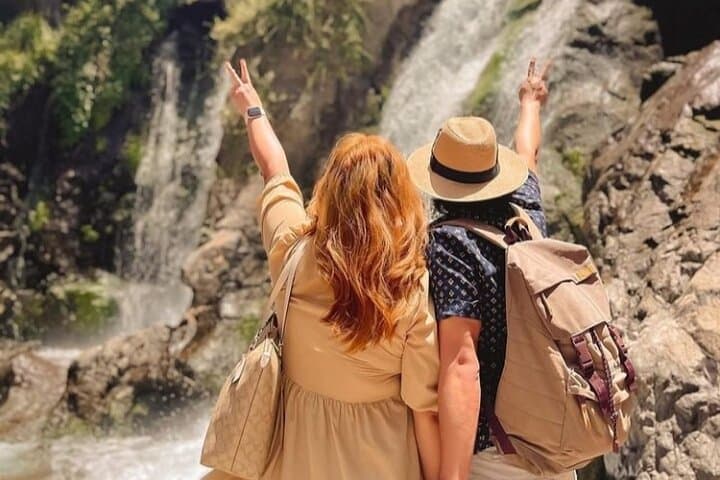
Geology here is visible and blunt—rounded foothills eroded into gullies, river-carved channels feeding waterfalls that hiss and rearrange the valley each season. Culturally, this is Berber country: women-run cooperatives press argan oil, weavers sell hand-knotted rugs, and families still farm terraces along the river. The Maison du Meunier offers a photo-ready stop to see traditional house styles and local crafts before a short drive to Setti Fadma, where a local guide can lead a two-hour hike to a string of waterfalls.
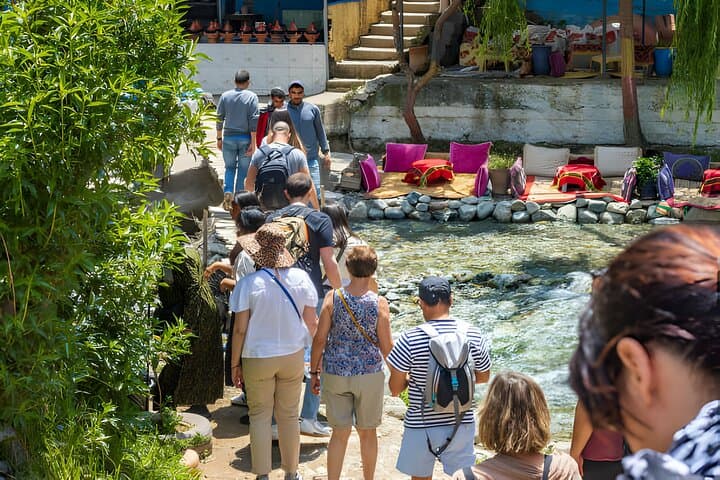
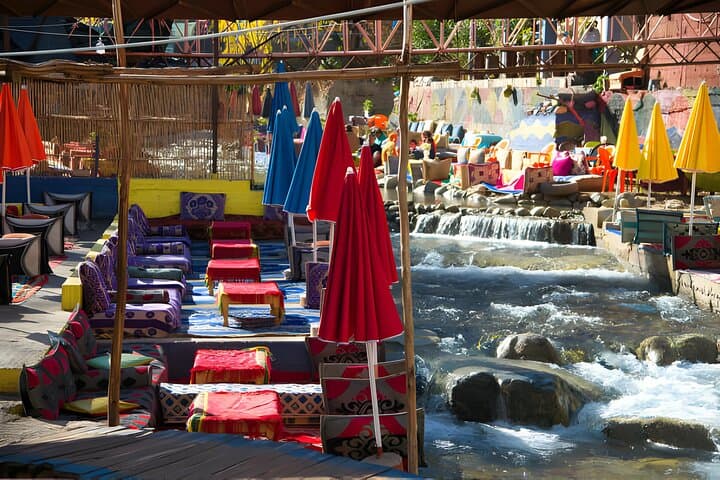
Expect a mix of paved road and well-worn dirt tracks, a hike that climbs steadily but not steeply, and riverbanks where Barbary macaques sometimes watch from the trees. Lunch is often a communal tajine—vegetable-rich, slow-cooked—that highlights local produce.
Practical guide: the full excursion is roughly six hours door-to-door from Marrakech; the optional waterfall walk is 1.5–2 hours with intermittent stone steps and slippery sections. Bring sturdy shoes, layered clothing for changing mountain sun and shade, and at least 1–2 liters of water. Aim for an early departure in summer to avoid heat and late-afternoon return on shorter daylight days. Respect local customs, support cooperatives directly, and stay on established paths to protect fragile terraces and watercourses.
moderate.
6 hours.
Suitable for travelers in reasonable health; the optional 1.5–2 hour waterfall hike requires steady footing and basic endurance.
The drive is about 45–60 minutes each way depending on traffic and route; the full tour lasts approximately six hours with stops.
The waterfall hike is moderate: steady uphill sections and some uneven, slippery steps, but no technical climbing required.
Lunch is typically included at a local restaurant featuring traditional Moroccan dishes; confirm dietary needs when booking.
Yes—tours usually accommodate young children with stroller access and infant seats available; the hike may be unsuitable for very young children.
The Ourika Valley has long been home to Amazigh (Berber) communities who farm terraced slopes and maintain traditional crafts such as argan oil production and rug weaving.
Tourism supports local cooperatives but can stress fragile terraces and water sources—stick to trails, avoid single-use plastics, and buy directly from village producers when possible.
Marrakech City Travel operates guided outdoor trips and adventures with an emphasis on safety, stewardship, and memorable experiences.
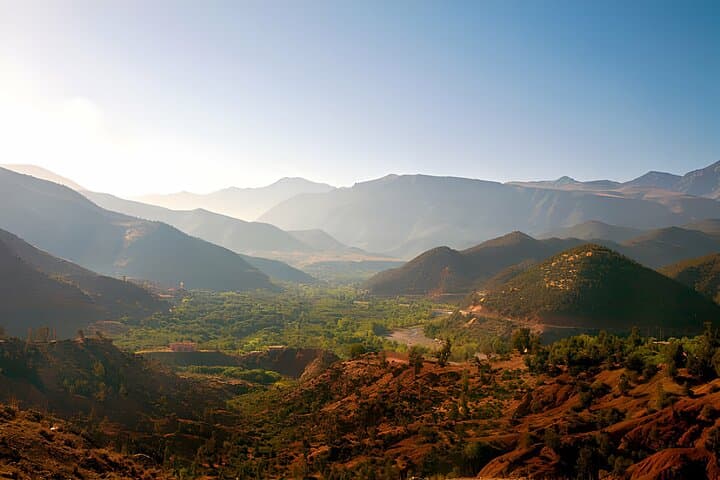
The road out of Marrakech climbs and opens like a curtain: red-city rooftops give way to olive groves, then the High Atlas rising jagged ahead. In the back of a private, air-conditioned car you move through mountain passes, past Berber villagers tending terraces, toward the rippled green of the Ourika Valley and the village of Setti Fadma.
The road out of Marrakech climbs and opens like a curtain: red-city rooftops give way to olive groves, then the High Atlas rising jagged ahead. In the back of a private, air-conditioned car you move through mountain passes, past Berber villagers tending terraces, toward the rippled green of the Ourika Valley and the village of Setti Fadma.
Geology here is visible and blunt—rounded foothills eroded into gullies, river-carved channels feeding waterfalls that hiss and rearrange the valley each season. Culturally, this is Berber country: women-run cooperatives press argan oil, weavers sell hand-knotted rugs, and families still farm terraces along the river. The Maison du Meunier offers a photo-ready stop to see traditional house styles and local crafts before a short drive to Setti Fadma, where a local guide can lead a two-hour hike to a string of waterfalls.
Expect a mix of paved road and well-worn dirt tracks, a hike that climbs steadily but not steeply, and riverbanks where Barbary macaques sometimes watch from the trees. Lunch is often a communal tajine—vegetable-rich, slow-cooked—that highlights local produce.
Practical guide: the full excursion is roughly six hours door-to-door from Marrakech; the optional waterfall walk is 1.5–2 hours with intermittent stone steps and slippery sections. Bring sturdy shoes, layered clothing for changing mountain sun and shade, and at least 1–2 liters of water. Aim for an early departure in summer to avoid heat and late-afternoon return on shorter daylight days. Respect local customs, support cooperatives directly, and stay on established paths to protect fragile terraces and watercourses.