THE ADVENTURE COLLECTIVE® · Independent discovery and booking for outdoor travel

Escape Marrakech for an eight-hour Ourika Valley excursion that pairs a half-hour camel ride with a guided hike to Setti Fatma’s waterfalls, a Berber home visit, and lunch with mountain views. Practical, scenic, and accessible for most travelers.
Escape Marrakech for an eight-hour Ourika Valley excursion that pairs a half-hour camel ride with a guided hike to Setti Fatma’s waterfalls, a Berber home visit, and lunch with mountain views. Practical, scenic, and accessible for most travelers.
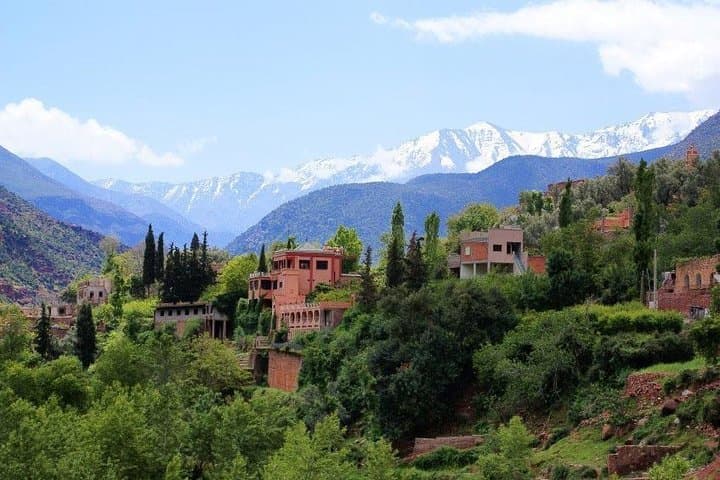
Dust from Marrakech fades as the minivan climbs into the foothills and the air sharpens with cedar and thyme. Travelers arrive in the Ourika Valley to low stone villages clinging to terraces and a river that dares you to follow it upstream. The day begins with a Berber welcome in a family house — mint tea poured slowly, bread with honey, and a quiet view across irrigated terraces beneath the High Atlas ridgeline.
Verified experiences and guided adventures in the surrounding area.
Operated by Morocco-traveldreams · Marrakech, Marrakech-Safi
Dust from Marrakech fades as the minivan climbs into the foothills and the air sharpens with cedar and thyme. Travelers arrive in the Ourika Valley to low stone villages clinging to terraces and a river that dares you to follow it upstream. The day begins with a Berber welcome in a family house — mint tea poured slowly, bread with honey, and a quiet view across irrigated terraces beneath the High Atlas ridgeline.
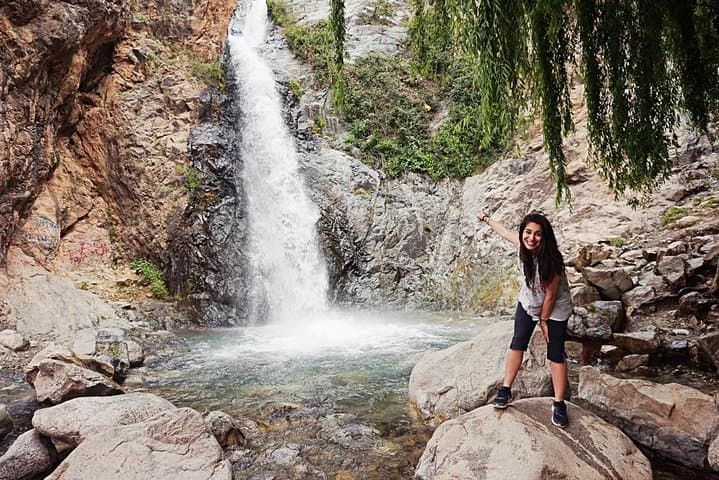
Geologically the valley is carved from schist and limestone, worn into steep gullies and stepped farmland. Culturally the area remains rooted in Amazigh (Berber) farming practices: stone terraces, seasonal irrigation, and cooperative argan oil production. Setti Fatma, the hike’s focal point, is known locally for its seven waterfalls and as a weekend refuge for Marrakech residents.
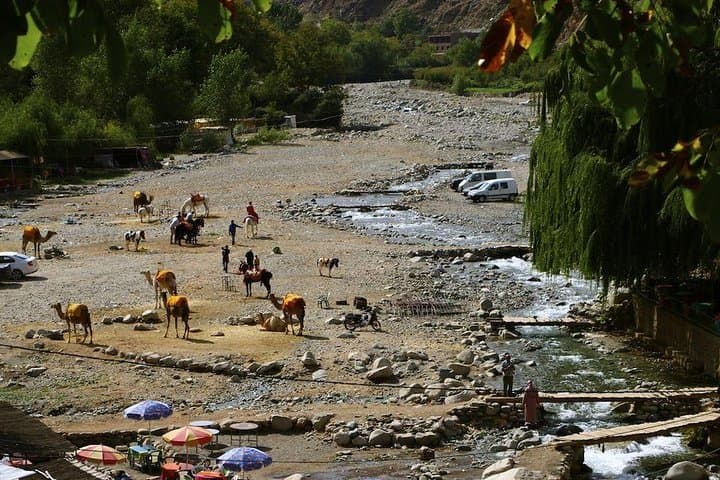
The route is straightforward: a short drive from Marrakech, a 30-minute camel ride deeper into the valley, then a guided walk to the first waterfall (roughly 45–60 minutes round trip with ~150–300 m cumulative ascent depending on pace). Trails follow rocky tracks and riverbanks; expect uneven ground and occasional stone steps. Lunch is a communal Moroccan meal with mountain views before a return through argan cooperative shops.
Practical notes: bring sun protection, carry water, wear sturdy shoes, and plan for an eight-hour day including transport. The trip is family-friendly but not recommended for those with serious back or cardiovascular issues. Timing mornings for cooler temperatures and clearer light will improve hiking comfort and photography.
easy.
8 hours.
Suitable for travelers in light to moderate physical condition—short walks, standing, and easy hiking with occasional uneven terrain.
The camel ride included is approximately 30 minutes and takes place on gentler valley terrain, suitable for first-time riders.
No—the guided walk to the first waterfall is moderate and typically takes 45–60 minutes round trip with short steep sections and uneven footing.
Yes—restaurants on this tour commonly offer vegetarian Moroccan dishes; notify operators in advance of dietary needs.
The drive is roughly 45–60 minutes each way, depending on traffic and precise pickup location in Marrakech.
The Ourika Valley has long been an Amazigh agricultural zone; terraces and irrigation methods date back centuries and reflect a living rural tradition.
Water in the valley is managed through traditional irrigation channels; visitors should minimize plastic waste and support local cooperatives that promote sustainable argan harvesting.
Morocco-traveldreams operates guided outdoor trips and adventures with an emphasis on safety, stewardship, and memorable experiences.
Dust from Marrakech fades as the minivan climbs into the foothills and the air sharpens with cedar and thyme. Travelers arrive in the Ourika Valley to low stone villages clinging to terraces and a river that dares you to follow it upstream. The day begins with a Berber welcome in a family house — mint tea poured slowly, bread with honey, and a quiet view across irrigated terraces beneath the High Atlas ridgeline.
Dust from Marrakech fades as the minivan climbs into the foothills and the air sharpens with cedar and thyme. Travelers arrive in the Ourika Valley to low stone villages clinging to terraces and a river that dares you to follow it upstream. The day begins with a Berber welcome in a family house — mint tea poured slowly, bread with honey, and a quiet view across irrigated terraces beneath the High Atlas ridgeline.
Geologically the valley is carved from schist and limestone, worn into steep gullies and stepped farmland. Culturally the area remains rooted in Amazigh (Berber) farming practices: stone terraces, seasonal irrigation, and cooperative argan oil production. Setti Fatma, the hike’s focal point, is known locally for its seven waterfalls and as a weekend refuge for Marrakech residents.
The route is straightforward: a short drive from Marrakech, a 30-minute camel ride deeper into the valley, then a guided walk to the first waterfall (roughly 45–60 minutes round trip with ~150–300 m cumulative ascent depending on pace). Trails follow rocky tracks and riverbanks; expect uneven ground and occasional stone steps. Lunch is a communal Moroccan meal with mountain views before a return through argan cooperative shops.
Practical notes: bring sun protection, carry water, wear sturdy shoes, and plan for an eight-hour day including transport. The trip is family-friendly but not recommended for those with serious back or cardiovascular issues. Timing mornings for cooler temperatures and clearer light will improve hiking comfort and photography.