THE ADVENTURE COLLECTIVE® · Independent discovery and booking for outdoor travel

Escape Marrakech for a day in the Ourika Valley: palm-lined roads, terraced farms, Setti Fatma’s waterfalls and an argan oil co‑op. This accessible Atlas day tour mixes short walks, cultural visits and riverside lunch.
Escape Marrakech for a day in the Ourika Valley: palm-lined roads, terraced farms, Setti Fatma’s waterfalls and an argan oil co‑op. This accessible Atlas day tour mixes short walks, cultural visits and riverside lunch.
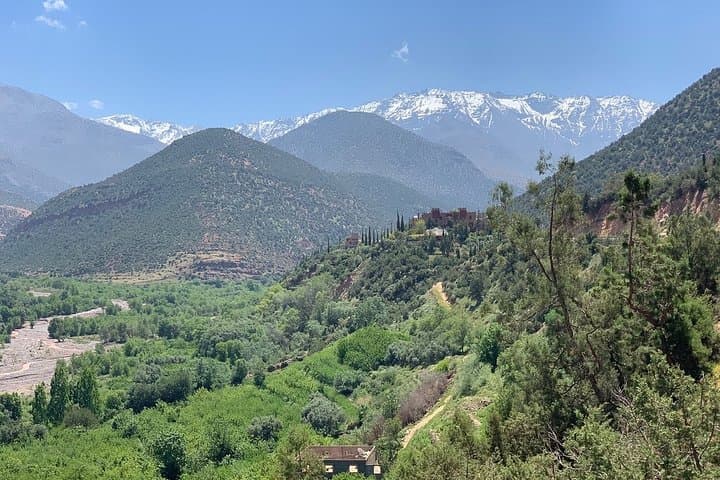
Drive out of Marrakech and the city noise thins to a steady hum as the road climbs toward the High Atlas. Olive-splotched slopes and terraced fields unspool beneath a wide sky; the Ourika River threads the valley, daring you to follow it upriver toward Setti Fatma’s waterfalls. At roadside stops, women at an argan cooperative pour fragrant oil and strong mint tea while small hamlets cling to sunbaked hillsides.
Verified experiences and guided adventures in the surrounding area.
Operated by Trips From Marrakech · Marrakesh, Marrakech-Safi
Drive out of Marrakech and the city noise thins to a steady hum as the road climbs toward the High Atlas. Olive-splotched slopes and terraced fields unspool beneath a wide sky; the Ourika River threads the valley, daring you to follow it upriver toward Setti Fatma’s waterfalls. At roadside stops, women at an argan cooperative pour fragrant oil and strong mint tea while small hamlets cling to sunbaked hillsides.
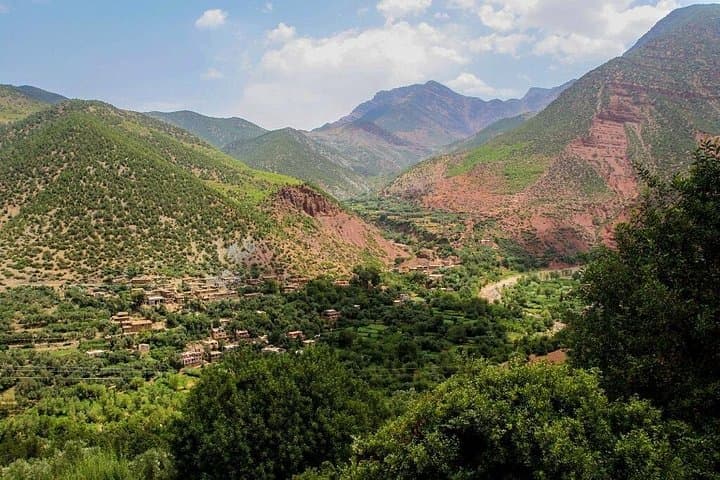
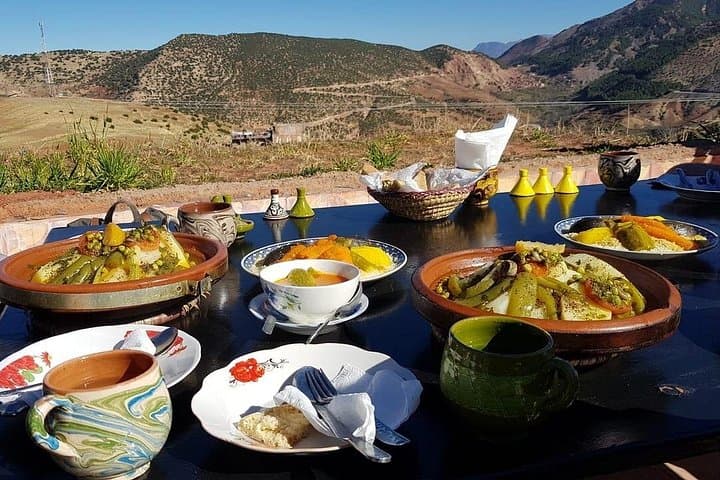
Geology here is blunt and readable: folded limestone and shale, cut by seasonal streams that carve steps and plunge pools. The valley’s agricultural layout—fruit orchards and steep terraces—reflects centuries of Berber ingenuity, moving soil and stone by hand to coax food from a marginal landscape. Local culture centers on community life: cooperative argan production, seasonal souks (notably on Mondays), and family-run riverside cafes where lunch centers on tagine and local produce.
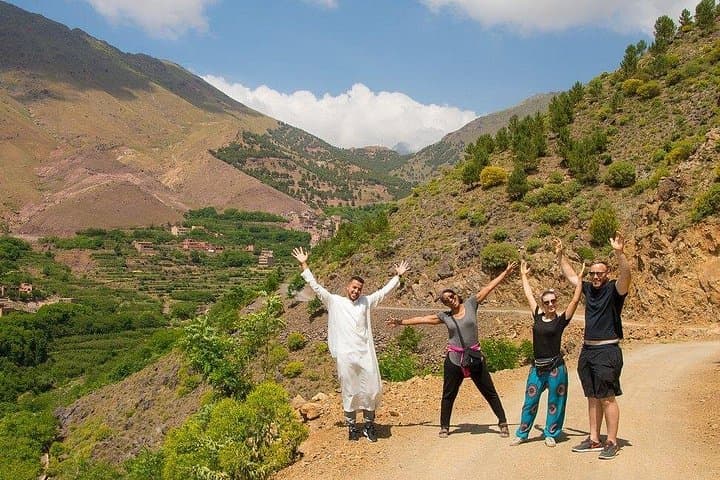
Expect short, informal walks rather than technical hikes: the most popular stretch to Setti Fatma’s cascades is a series of well-trod paths and stone steps, with multiple viewpoints and splash-ready pools. The tour typically includes hotel pickup, a local guide, refreshments, and a camel ride option—good for photos and a brief novelty.
Practical tips: go early to avoid mid-day heat and crowds, wear sturdy shoes for uneven steps, bring sun protection and a refillable water bottle, and carry small change for market purchases and cooperative donations. If you want more trail time, ask the guide about extending to higher cascades—conditions vary with season.
easy.
6–7 hours.
Suitable for most fitness levels; involves short walks on uneven terrain and some stairs.
The Ourika Valley is about 30–60 minutes from central Marrakech depending on traffic and which valley stops your tour includes.
Yes — the tour description includes a local lunch and light refreshments such as tea and a Berber-style breakfast at a cooperative.
The main cascades at Setti Fatma are reached by well-worn paths and stone steps; it’s an easy to moderate walk but uneven in places and can be slippery when wet.
Yes — many itineraries stop at village or roadside souks. Monday markets are particularly lively, but market days vary by village.
Berber communities have farmed the High Atlas for centuries, carving terraces and routes that remain in daily use; argan oil cooperatives sprung up more recently to provide income and preserve traditional harvesting.
Support for local cooperatives helps fund sustainable harvesting; stick to trails to prevent erosion and avoid leaving litter that stresses water resources.
Trips From Marrakech operates guided outdoor trips and adventures with an emphasis on safety, stewardship, and memorable experiences.
Drive out of Marrakech and the city noise thins to a steady hum as the road climbs toward the High Atlas. Olive-splotched slopes and terraced fields unspool beneath a wide sky; the Ourika River threads the valley, daring you to follow it upriver toward Setti Fatma’s waterfalls. At roadside stops, women at an argan cooperative pour fragrant oil and strong mint tea while small hamlets cling to sunbaked hillsides.
Drive out of Marrakech and the city noise thins to a steady hum as the road climbs toward the High Atlas. Olive-splotched slopes and terraced fields unspool beneath a wide sky; the Ourika River threads the valley, daring you to follow it upriver toward Setti Fatma’s waterfalls. At roadside stops, women at an argan cooperative pour fragrant oil and strong mint tea while small hamlets cling to sunbaked hillsides.
Geology here is blunt and readable: folded limestone and shale, cut by seasonal streams that carve steps and plunge pools. The valley’s agricultural layout—fruit orchards and steep terraces—reflects centuries of Berber ingenuity, moving soil and stone by hand to coax food from a marginal landscape. Local culture centers on community life: cooperative argan production, seasonal souks (notably on Mondays), and family-run riverside cafes where lunch centers on tagine and local produce.
Expect short, informal walks rather than technical hikes: the most popular stretch to Setti Fatma’s cascades is a series of well-trod paths and stone steps, with multiple viewpoints and splash-ready pools. The tour typically includes hotel pickup, a local guide, refreshments, and a camel ride option—good for photos and a brief novelty.
Practical tips: go early to avoid mid-day heat and crowds, wear sturdy shoes for uneven steps, bring sun protection and a refillable water bottle, and carry small change for market purchases and cooperative donations. If you want more trail time, ask the guide about extending to higher cascades—conditions vary with season.