THE ADVENTURE COLLECTIVE® · Independent discovery and booking for outdoor travel

Escape the bustle of Marrakech for a private day in the Ourika Valley, where river canyons, terraced fields and the Setti Fatma cascades offer a short, accessible taste of the High Atlas. This private tour pairs cultural stops in Berber villages with easy walks and panoramic viewpoints.
Escape the bustle of Marrakech for a private day in the Ourika Valley, where river canyons, terraced fields and the Setti Fatma cascades offer a short, accessible taste of the High Atlas. This private tour pairs cultural stops in Berber villages with easy walks and panoramic viewpoints.
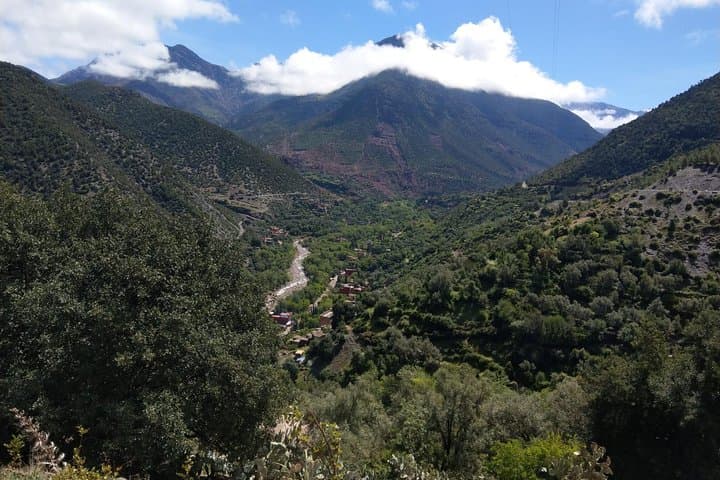
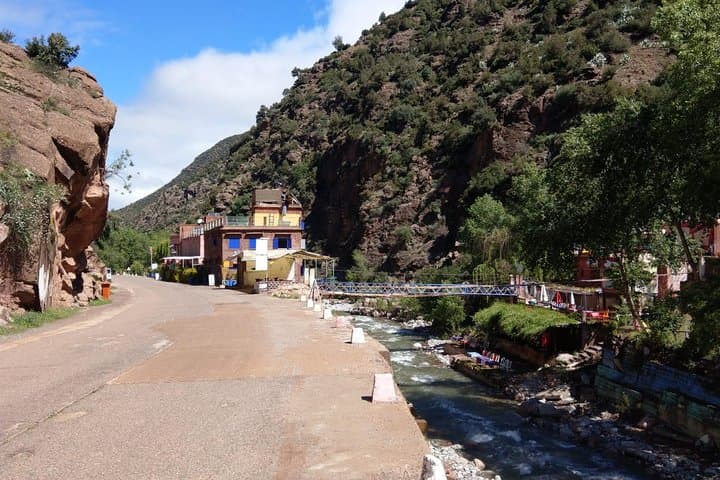
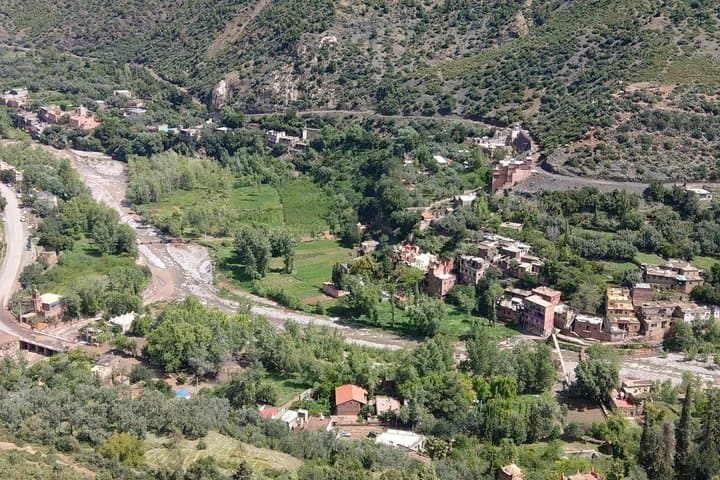
You leave Marrakech behind as the city’s heat and honking recede, the road climbing toward the High Atlas with ochre villages and citrus groves sliding past the window. By midmorning the valley narrows; the Ourika River begins to thread the canyon, its water daring you to follow the sound. Small stone houses cling to terraces and roadside stalls sell mint tea and toasted almonds—an immediate change of pace from Jemaa el-Fnaa.
Verified experiences and guided adventures in the surrounding area.
Operated by Marrakech Tours · Ourika, Marrakech-Safi
You leave Marrakech behind as the city’s heat and honking recede, the road climbing toward the High Atlas with ochre villages and citrus groves sliding past the window. By midmorning the valley narrows; the Ourika River begins to thread the canyon, its water daring you to follow the sound. Small stone houses cling to terraces and roadside stalls sell mint tea and toasted almonds—an immediate change of pace from Jemaa el-Fnaa.
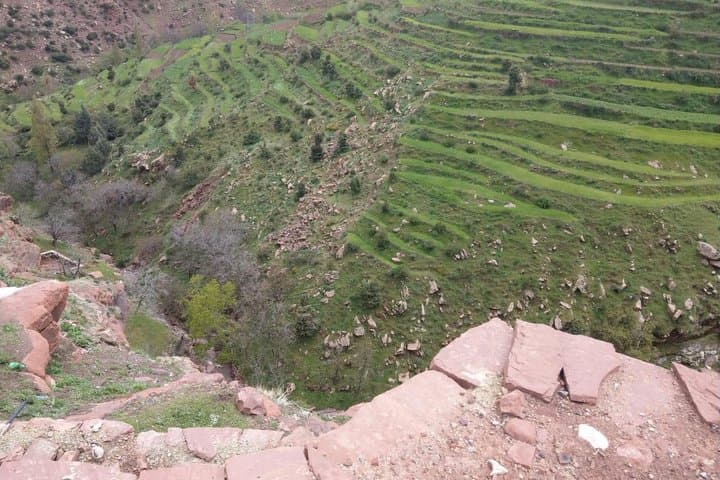
The Ourika Valley sits on the southern flanks of the High Atlas, an area shaped by uplift and erosion where shale and limestone form steep gullies and seasonal cascades. The valley has long been home to Amazigh (Berber) communities who farm terraces fed by ancient irrigation channels; in spring almond and cherry trees bloom, and the scent shifts the air.
Your day typically includes a guided walk to the Setti Fatma cascades, optional short hikes between village paths and olive groves, and time to sample cafe fare on the hillside. The route is gentle but can be steep in short sections—expect uneven steps and rocky trails near the waterfalls. Guides often point out traditional weaving and small family-run cafes; tipping for a local guide or porter supports the valley economy.
Practical guidance: wear grippy day shoes, bring sun protection and at least 1.5 liters of water, and plan the visit for morning or late afternoon to avoid midday heat. If you want more than a stroll, specify a longer hike when you book; private pickup and return to Marrakech are usually included, making this an efficient, accessible escape into the Atlas.
easy.
8 hours.
Suitable for most visitors who can walk short, uneven uphill sections; not technical but requires steady balance for steps and rocks.
Yes—private tours typically include hotel pickup and drop-off in Marrakech; confirm exact pickup time when you book.
The walk is short to moderate with stone steps and uneven surfaces; it’s suitable for most fitness levels but not for those needing full wheelchair access.
Lunch and refreshments are generally not included; there are cafes on the hillside where you can buy traditional dishes and mint tea.
Yes—most private operators can adjust the itinerary to include longer hikes or additional stops if requested when booking.
The Ourika Valley has been inhabited for centuries by Amazigh (Berber) communities; traditional irrigation terraces and handicrafts reflect a long agricultural culture tied to mountain water sources.
Water is limited in the region—stick to established paths to avoid erosion, support local guides and vendors to benefit the community, and avoid feeding wildlife to reduce human-wildlife conflicts.
Marrakech Tours operates guided outdoor trips and adventures with an emphasis on safety, stewardship, and memorable experiences.
You leave Marrakech behind as the city’s heat and honking recede, the road climbing toward the High Atlas with ochre villages and citrus groves sliding past the window. By midmorning the valley narrows; the Ourika River begins to thread the canyon, its water daring you to follow the sound. Small stone houses cling to terraces and roadside stalls sell mint tea and toasted almonds—an immediate change of pace from Jemaa el-Fnaa.
You leave Marrakech behind as the city’s heat and honking recede, the road climbing toward the High Atlas with ochre villages and citrus groves sliding past the window. By midmorning the valley narrows; the Ourika River begins to thread the canyon, its water daring you to follow the sound. Small stone houses cling to terraces and roadside stalls sell mint tea and toasted almonds—an immediate change of pace from Jemaa el-Fnaa.
The Ourika Valley sits on the southern flanks of the High Atlas, an area shaped by uplift and erosion where shale and limestone form steep gullies and seasonal cascades. The valley has long been home to Amazigh (Berber) communities who farm terraces fed by ancient irrigation channels; in spring almond and cherry trees bloom, and the scent shifts the air.
Your day typically includes a guided walk to the Setti Fatma cascades, optional short hikes between village paths and olive groves, and time to sample cafe fare on the hillside. The route is gentle but can be steep in short sections—expect uneven steps and rocky trails near the waterfalls. Guides often point out traditional weaving and small family-run cafes; tipping for a local guide or porter supports the valley economy.
Practical guidance: wear grippy day shoes, bring sun protection and at least 1.5 liters of water, and plan the visit for morning or late afternoon to avoid midday heat. If you want more than a stroll, specify a longer hike when you book; private pickup and return to Marrakech are usually included, making this an efficient, accessible escape into the Atlas.