THE ADVENTURE COLLECTIVE® · Independent discovery and booking for outdoor travel

Drive out of Marrakech into the High Atlas to a river-cut valley where terraced farming, Berber hamlets and a set of waterfalls await. This private day trip mixes brief hikes, cultural stops and a riverside lunch — ideal for travelers wanting a compact taste of mountain Morocco.
Drive out of Marrakech into the High Atlas to a river-cut valley where terraced farming, Berber hamlets and a set of waterfalls await. This private day trip mixes brief hikes, cultural stops and a riverside lunch — ideal for travelers wanting a compact taste of mountain Morocco.
A dusted road peels away from Marrakech and the High Atlas rises, raw and stony, guiding you toward the green cut of Ourika Valley. The air cools; terraces step like stacked plates across the slopes and the river threads the valley floor, urging walkers toward the falls at Setti Fatma. Small berber hamlets perch on terraces, with smoke from cooking fires and the steady rhythm of daily life setting the tempo.
Verified experiences and guided adventures in the surrounding area.
Operated by Marrakech Guide Azim · Setti Fatma, Marrakech-Safi
A dusted road peels away from Marrakech and the High Atlas rises, raw and stony, guiding you toward the green cut of Ourika Valley. The air cools; terraces step like stacked plates across the slopes and the river threads the valley floor, urging walkers toward the falls at Setti Fatma. Small berber hamlets perch on terraces, with smoke from cooking fires and the steady rhythm of daily life setting the tempo.
The valley has long been shaped by irrigation and human hands — centuries of terrace farming by Amazigh (Berber) communities carved cultivable bands into the mountainside. Geologically the High Atlas is young and uplifted, composed of schist and limestone that channel streams into a series of seasonal cascades. Culturally, the valley’s cooperatives sell argan oil, woven goods and simple lunches on riverfront tables that foreground local recipes.
This private day excursion typically runs 4–6 hours and includes guided stops at hamlets, a visit to a Berber house (observational), and an optional 30–60 minute walk to the main waterfalls. Terrain on the waterfall path is uneven stone steps and dirt tracks with modest elevation gain (roughly 100–300 m depending on route). Expect a relaxed pace with photo stops and a river-side a la carte lunch.
Practical guidance: wear sturdy shoes, carry at least 1–2 liters of water, and set out early to avoid midday heat. Bring small bills for cooperatives and respect private homes — interaction is welcome but usually observational. The route is accessible for most hikers in moderate condition and offers a concentrated blend of landscape, culture and short walking exploration.
moderate.
4–6 hours (total excursion).
Suitable for travelers with moderate fitness; requires walking on uneven, sometimes steep footpaths for up to an hour.
The drive is roughly 45–75 minutes depending on traffic and exact pickup point, covering about 50–60 km to the main valley access near Setti Fatma.
No — the walk to the waterfalls is optional; those who stay at riverside lunch areas can still enjoy village visits and views.
Visits are typically observational and arranged through guides; cultural norms encourage respectful distance unless hosts explicitly invite participation.
Yes — the operator notes infant seats and the pace can be family-friendly, but expect uneven paths that may be challenging with strollers.
The Ourika Valley has been cultivated by Amazigh (Berber) communities for generations; terraces and irrigation practices reflect a long agricultural tradition in the High Atlas.
Support local cooperatives and stick to established trails to limit erosion; water in the valley is a sensitive resource, so minimize waste and avoid single-use plastics when possible.
Marrakech Guide Azim operates guided outdoor trips and adventures with an emphasis on safety, stewardship, and memorable experiences.
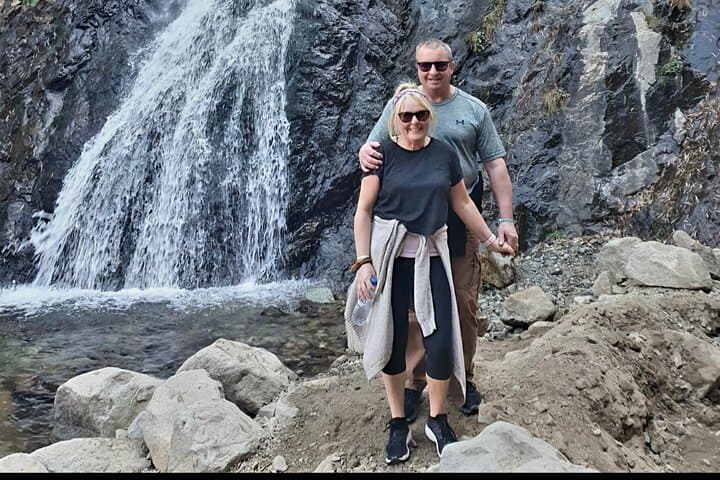
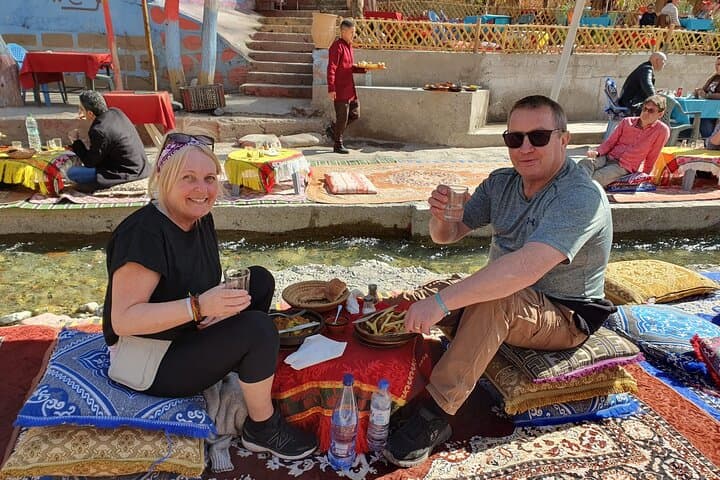
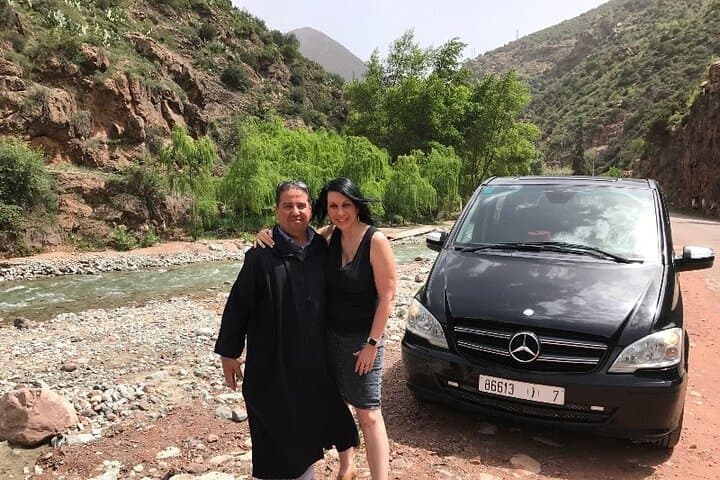
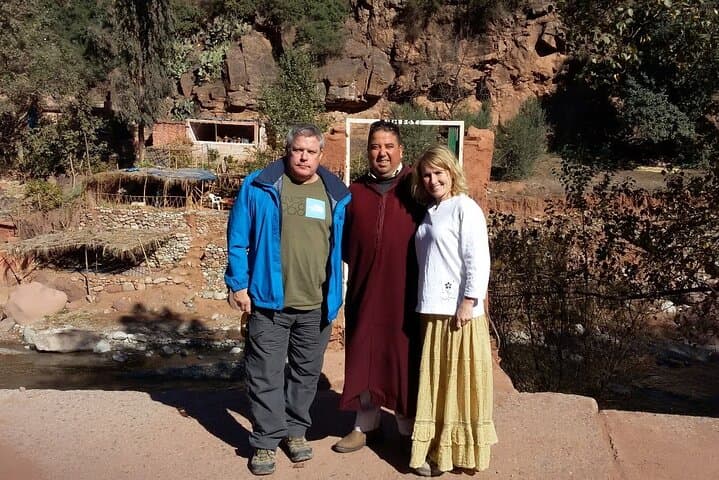
A dusted road peels away from Marrakech and the High Atlas rises, raw and stony, guiding you toward the green cut of Ourika Valley. The air cools; terraces step like stacked plates across the slopes and the river threads the valley floor, urging walkers toward the falls at Setti Fatma. Small berber hamlets perch on terraces, with smoke from cooking fires and the steady rhythm of daily life setting the tempo.
A dusted road peels away from Marrakech and the High Atlas rises, raw and stony, guiding you toward the green cut of Ourika Valley. The air cools; terraces step like stacked plates across the slopes and the river threads the valley floor, urging walkers toward the falls at Setti Fatma. Small berber hamlets perch on terraces, with smoke from cooking fires and the steady rhythm of daily life setting the tempo.
The valley has long been shaped by irrigation and human hands — centuries of terrace farming by Amazigh (Berber) communities carved cultivable bands into the mountainside. Geologically the High Atlas is young and uplifted, composed of schist and limestone that channel streams into a series of seasonal cascades. Culturally, the valley’s cooperatives sell argan oil, woven goods and simple lunches on riverfront tables that foreground local recipes.
This private day excursion typically runs 4–6 hours and includes guided stops at hamlets, a visit to a Berber house (observational), and an optional 30–60 minute walk to the main waterfalls. Terrain on the waterfall path is uneven stone steps and dirt tracks with modest elevation gain (roughly 100–300 m depending on route). Expect a relaxed pace with photo stops and a river-side a la carte lunch.
Practical guidance: wear sturdy shoes, carry at least 1–2 liters of water, and set out early to avoid midday heat. Bring small bills for cooperatives and respect private homes — interaction is welcome but usually observational. The route is accessible for most hikers in moderate condition and offers a concentrated blend of landscape, culture and short walking exploration.