THE ADVENTURE COLLECTIVE® · Independent discovery and booking for outdoor travel

A six-hour escape from Marrakech into the High Atlas: hike to cascading falls, visit Berber villages, and sample argan and pottery traditions. This compact day trip blends geology, culture, and accessible mountain walking.
A six-hour escape from Marrakech into the High Atlas: hike to cascading falls, visit Berber villages, and sample argan and pottery traditions. This compact day trip blends geology, culture, and accessible mountain walking.
You leave Marrakech behind as the city’s dust thins and the Atlas Mountains draw closer, low ridges growing into rocky shoulders. The road climbs and the air changes—cooler, scented with thyme and argan—until the Ourika River begins to chatter, daring you to follow it up into the valley.
Verified experiences and guided adventures in the surrounding area.
Operated by Atlas spirit tours · Setti Fatma, Marrakech-Safi
You leave Marrakech behind as the city’s dust thins and the Atlas Mountains draw closer, low ridges growing into rocky shoulders. The road climbs and the air changes—cooler, scented with thyme and argan—until the Ourika River begins to chatter, daring you to follow it up into the valley.
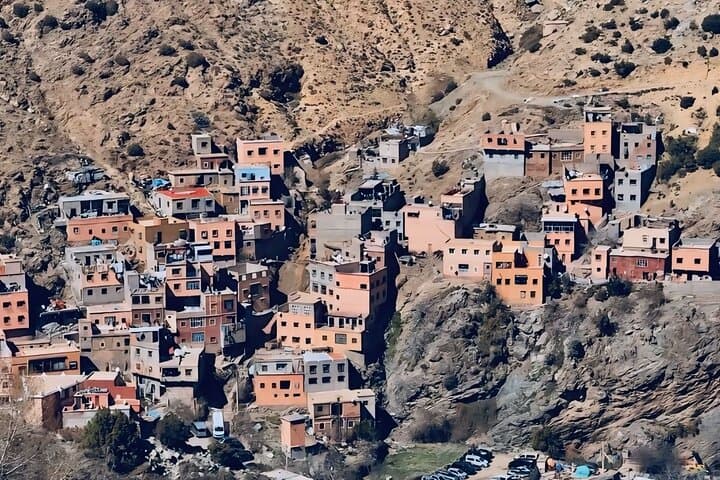
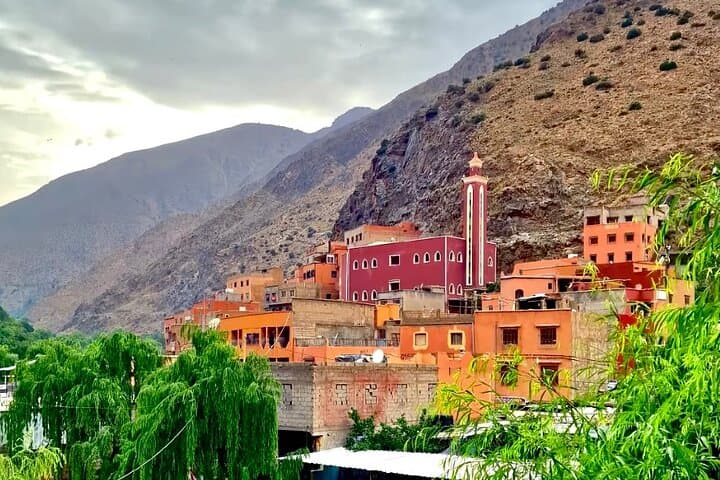
This day trip threads natural history with living culture. The High Atlas rose from tectonic pressure and erosion; here that geology shows as rounded granite peaks and narrow river-cut terraces. Local Berber communities have farmed these slopes for centuries: you'll see stone houses, terraced fields, pottery workshops where clay and tradition meet, and an argan cooperative that plays a small but important role in the local economy.
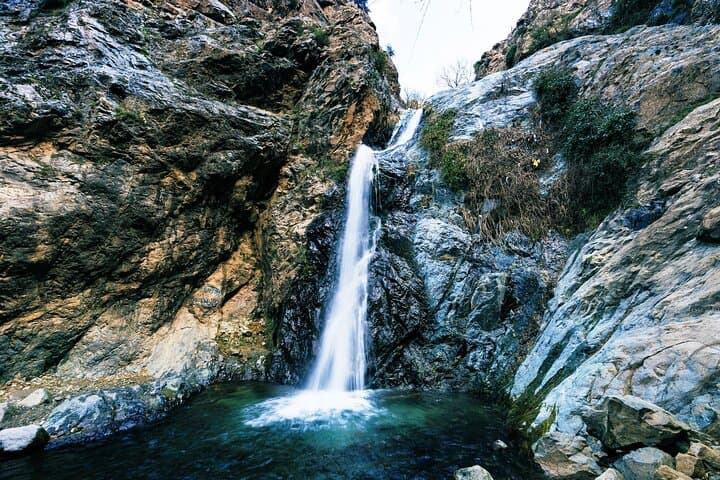
The waterfalls near Setti Fatma are a sequence of cascades and pools—each drop framed by tamarisk and oleander—reachable by a short, sometimes slippery trail. Guides point out both natural features and cultural details, from irrigation channels (khettaras) to traditional crafts. Optional extras such as camel rides or ATVs sit at the edge of the valley’s quieter rhythms.
Practical note: expect a full, roughly six-hour day with modest walking over uneven ground and some steps. Wear grippy footwear, carry 1–2 liters of water, and bring small change for cooperatives and snacks. Visit earlier in the day to avoid crowds and midday heat; in wet seasons the paths can be muddy and sections near the river are slick. Respect private village spaces and ask before photographing people—this keeps the exchange genuine and sustainable.
moderate.
6 hours.
Suitable for people with moderate fitness who can handle short uphill stretches and uneven terrain.
The full-day tour is approximately six hours door-to-door, including travel time and stops in the valley.
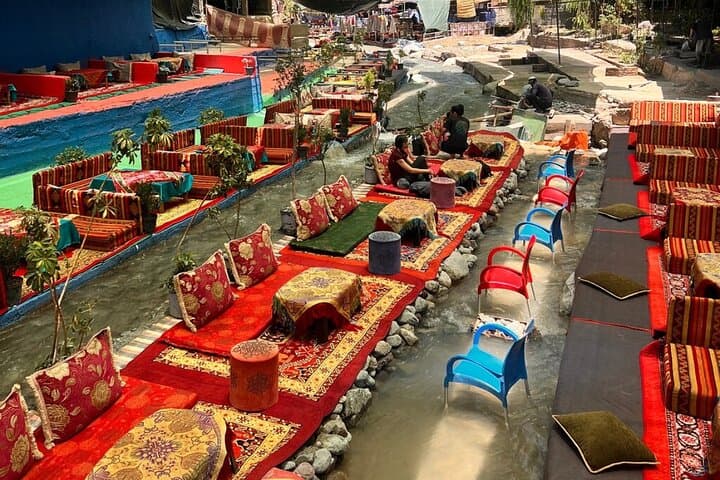
Lunch is optional and not included in the base price; there are riverside cafés where you can buy traditional Moroccan dishes.
The walk is moderate: uneven paths, some stone steps, and short uphill sections—good footwear and basic mobility are recommended.
Yes—optional activities are usually available locally at extra cost, but availability depends on operators in the valley that day.
Berber communities have inhabited the High Atlas for centuries, shaping terraced agriculture and local crafts like pottery and argan production that you still see today.
The Ourika Valley faces pressure from seasonal tourism and informal development; stick to trails, avoid littering, and support local cooperatives that invest in community livelihoods.
Atlas spirit tours operates guided outdoor trips and adventures with an emphasis on safety, stewardship, and memorable experiences.
You leave Marrakech behind as the city’s dust thins and the Atlas Mountains draw closer, low ridges growing into rocky shoulders. The road climbs and the air changes—cooler, scented with thyme and argan—until the Ourika River begins to chatter, daring you to follow it up into the valley.
You leave Marrakech behind as the city’s dust thins and the Atlas Mountains draw closer, low ridges growing into rocky shoulders. The road climbs and the air changes—cooler, scented with thyme and argan—until the Ourika River begins to chatter, daring you to follow it up into the valley.
This day trip threads natural history with living culture. The High Atlas rose from tectonic pressure and erosion; here that geology shows as rounded granite peaks and narrow river-cut terraces. Local Berber communities have farmed these slopes for centuries: you'll see stone houses, terraced fields, pottery workshops where clay and tradition meet, and an argan cooperative that plays a small but important role in the local economy.
The waterfalls near Setti Fatma are a sequence of cascades and pools—each drop framed by tamarisk and oleander—reachable by a short, sometimes slippery trail. Guides point out both natural features and cultural details, from irrigation channels (khettaras) to traditional crafts. Optional extras such as camel rides or ATVs sit at the edge of the valley’s quieter rhythms.
Practical note: expect a full, roughly six-hour day with modest walking over uneven ground and some steps. Wear grippy footwear, carry 1–2 liters of water, and bring small change for cooperatives and snacks. Visit earlier in the day to avoid crowds and midday heat; in wet seasons the paths can be muddy and sections near the river are slick. Respect private village spaces and ask before photographing people—this keeps the exchange genuine and sustainable.