THE ADVENTURE COLLECTIVE® · Independent discovery and booking for outdoor travel

Walk the broad esplanade to the Chapel of Apparitions, visit the homes of the three shepherd children, and stand beneath the neo‑Baroque basilica on a day that blends history and living devotion. This guided tour from Porto organizes transport and entry for a focused, contemplative visit.
Walk the broad esplanade to the Chapel of Apparitions, visit the homes of the three shepherd children, and stand beneath the neo‑Baroque basilica on a day that blends history and living devotion. This guided tour from Porto organizes transport and entry for a focused, contemplative visit.
You arrive on the wide esplanade before the Basílica de Nossa Senhora do Rosário as late-afternoon light slips over stone and flagstone. Pilgrims drift between the Chapel of the Apparitions and the basilica, candles wobbling like small beacons while the wind across the plateau nudges collars and prayer cards. The site holds a quiet insistence—the landscape itself seems to watch and wait.
Verified experiences and guided adventures in the surrounding area.
Operated by Kara Tours Porto · Fátima, Santarém
You arrive on the wide esplanade before the Basílica de Nossa Senhora do Rosário as late-afternoon light slips over stone and flagstone. Pilgrims drift between the Chapel of the Apparitions and the basilica, candles wobbling like small beacons while the wind across the plateau nudges collars and prayer cards. The site holds a quiet insistence—the landscape itself seems to watch and wait.
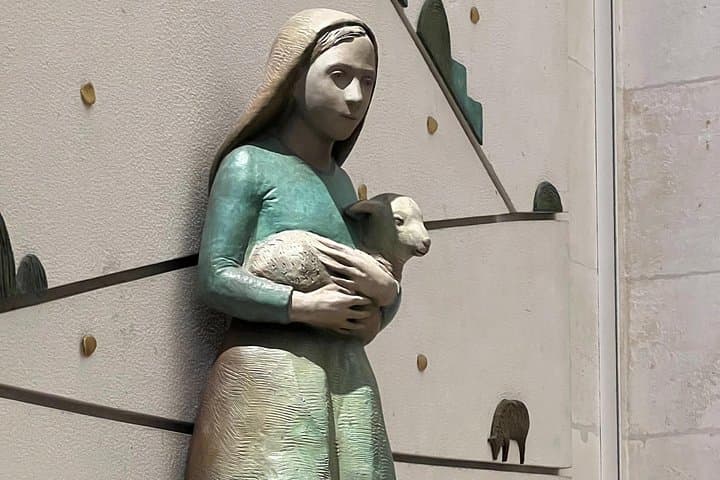
Fátima’s modern fame springs from 1917, when three shepherd children reported Marian apparitions that transformed this agricultural plain into one of Europe’s major pilgrimage centers. The basilica’s neo-Baroque façade and the humble homes in Aljustrel—Lúcia’s house, the Marto family dwelling—frame a story of rural Portugal meeting global devotion. Geologically, you’re on the gentle limestone plateau of central Portugal, where cork oak and pine patches punctuate agricultural fields and the horizon sits low and open.
Culturally the town balances tourism and faith: candlelight vigils, the Way of the Cross, and daily masses coexist with souvenir shops and local cafés serving simple regional fare. Expect guided stops at the houses of the visionaries, a contemplative visit to the Chapel of Apparitions, and time for the basilica and crypt.
Practicalities: the full excursion runs about 5–7 hours with hotel pickup and drop-off; wear comfortable shoes and modest clothing for churches, bring a refillable water bottle, and plan arrival times around service schedules or the evening vigils. The route is low-impact physically but high on sensory and emotional intensity—respect quiet, and allow extra time for lines on major feast days.
easy.
5–7 hours.
Suitable for most fitness levels; involves short walks on paved and sometimes uneven stone surfaces and standing during visits.
The tour runs roughly 5–7 hours and typically includes hotel pickup/drop-off from Porto, guided visits to the Basilica, Chapel of Apparitions, and the shepherds’ houses, plus commentary and some refreshments depending on the operator.
Photography is generally allowed in the outdoor areas and many interior spaces, but you should avoid flash and refrain from photographing during mass or private devotions; follow staff instructions in sacred areas.
The itinerary is low-impact and suitable for most ages, but there is standing and some stair access; travelers with serious mobility or cardiovascular issues should notify the operator in advance and request accommodations.
Peak pilgrimage dates include May 13 and October 13, and evenings during summer vigils; visiting outside these dates or early in the day reduces crowds.
Fátima rose from a rural parish to an international pilgrimage site after reported Marian apparitions in 1917; the basilica and the canonized shepherd children are central to its 20th-century religious history.
The shrine and local authorities manage visitor flow and services to reduce wear on historic structures; visitors are encouraged to use marked paths and avoid littering to protect the site’s fabric.
Kara Tours Porto operates guided outdoor trips and adventures with an emphasis on safety, stewardship, and memorable experiences.
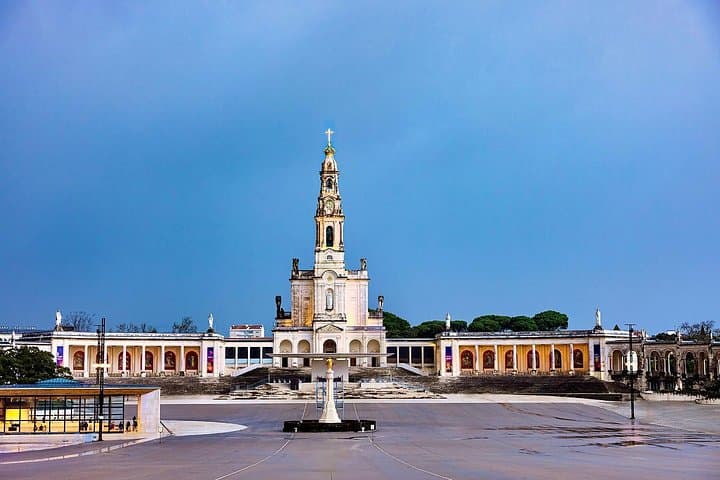
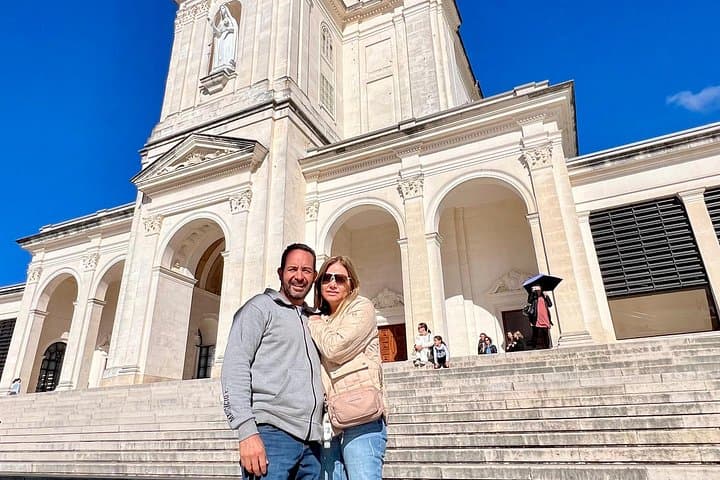
You arrive on the wide esplanade before the Basílica de Nossa Senhora do Rosário as late-afternoon light slips over stone and flagstone. Pilgrims drift between the Chapel of the Apparitions and the basilica, candles wobbling like small beacons while the wind across the plateau nudges collars and prayer cards. The site holds a quiet insistence—the landscape itself seems to watch and wait.
You arrive on the wide esplanade before the Basílica de Nossa Senhora do Rosário as late-afternoon light slips over stone and flagstone. Pilgrims drift between the Chapel of the Apparitions and the basilica, candles wobbling like small beacons while the wind across the plateau nudges collars and prayer cards. The site holds a quiet insistence—the landscape itself seems to watch and wait.
Fátima’s modern fame springs from 1917, when three shepherd children reported Marian apparitions that transformed this agricultural plain into one of Europe’s major pilgrimage centers. The basilica’s neo-Baroque façade and the humble homes in Aljustrel—Lúcia’s house, the Marto family dwelling—frame a story of rural Portugal meeting global devotion. Geologically, you’re on the gentle limestone plateau of central Portugal, where cork oak and pine patches punctuate agricultural fields and the horizon sits low and open.
Culturally the town balances tourism and faith: candlelight vigils, the Way of the Cross, and daily masses coexist with souvenir shops and local cafés serving simple regional fare. Expect guided stops at the houses of the visionaries, a contemplative visit to the Chapel of Apparitions, and time for the basilica and crypt.
Practicalities: the full excursion runs about 5–7 hours with hotel pickup and drop-off; wear comfortable shoes and modest clothing for churches, bring a refillable water bottle, and plan arrival times around service schedules or the evening vigils. The route is low-impact physically but high on sensory and emotional intensity—respect quiet, and allow extra time for lines on major feast days.