THE ADVENTURE COLLECTIVE® · Independent discovery and booking for outdoor travel

Ride through olive groves and Berber villages on a short Atlas mountain loop that mixes easy climbs, dirt tracks, and a traditional mint-tea stop with local hosts. Ideal for beginners who want culture and scenery without technical mountain biking.
Ride through olive groves and Berber villages on a short Atlas mountain loop that mixes easy climbs, dirt tracks, and a traditional mint-tea stop with local hosts. Ideal for beginners who want culture and scenery without technical mountain biking.
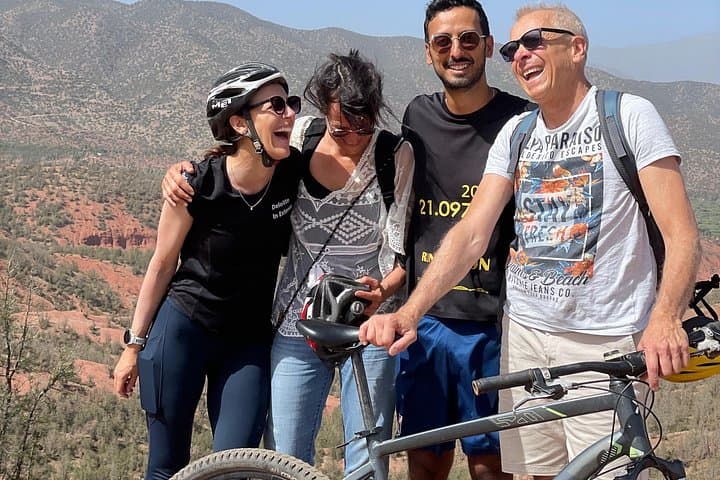
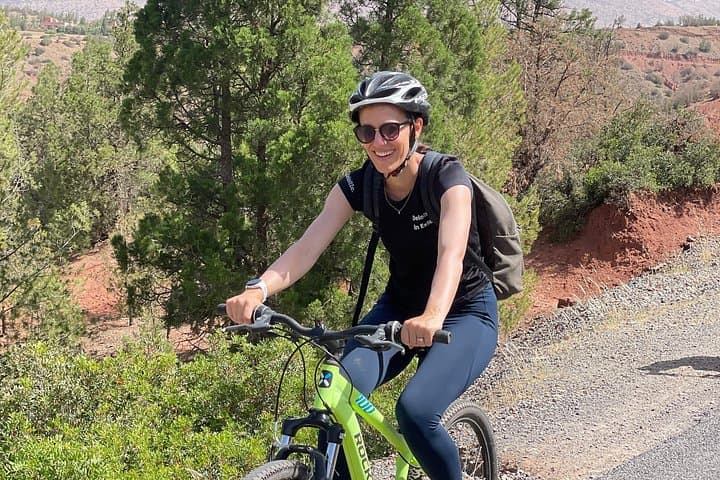
Morning light cuts across olive groves as you clip into a bike in Ouirgane, the High Atlas pressing like a low, steady wall to the south. The air smells of dust and thyme; a slow valley stream dares you to follow it toward terraced fields and low stone houses. The pace here is human—short climbs, open viewpoints, and more conversations than miles.
Verified experiences and guided adventures in the surrounding area.
Operated by Ouirgane bike · Ouirgane, Marrakech-Safi
Morning light cuts across olive groves as you clip into a bike in Ouirgane, the High Atlas pressing like a low, steady wall to the south. The air smells of dust and thyme; a slow valley stream dares you to follow it toward terraced fields and low stone houses. The pace here is human—short climbs, open viewpoints, and more conversations than miles.
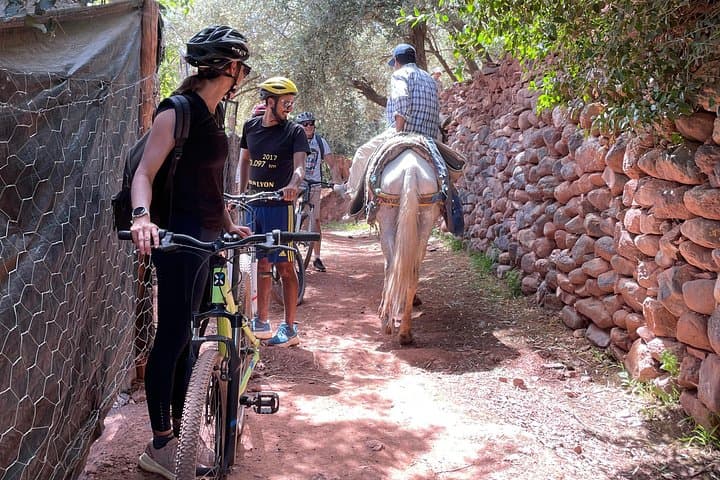
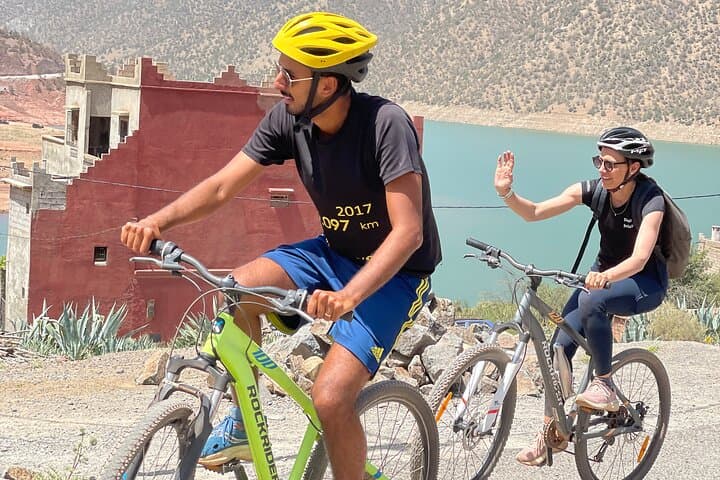
Geology and history are underfoot: the High Atlas rose from the grinding of African and Eurasian plates, leaving folded granite ridges and narrow valleys where Berber communities have farmed for centuries. Ouirgane’s landscape is agricultural and lived-in—olive orchards, almond plots, and dry-stone terraces that tell a practical story of local adaptation. Culture is immediate: riders pass families at work, goats threading narrow tracks, and small roadside shrines. The tour ends as it begins in a human way—over mint tea shared with hosts on a hillside with lake and mountain views.
Expect 10–18 km of mostly gentle roads and packed-earth tracks with 150–350 m of cumulative elevation gain; short paved stretches link unpaved farm lanes. Terrain can be loose after rain; modest bike handling helps. The route is set up for beginners but rewards attentive riders with wide views and close cultural contact.
Practical notes: start early to avoid midday sun, carry at least 1–1.5 liters of water, bring a light layer for wind at higher points, and wear shoes that handle loose gravel. Respect private plots and ask before photographing people. This is a short, accessible ride that trades technical challenge for atmosphere and local connection.
moderate.
3 hours.
Light to moderate fitness; able to handle 10–18 km with short climbs and unpaved sections.
The route is designed for beginners with mostly gentle gradients and short climbs; basic bike handling is helpful and guides adjust pace for the group.
Typical inclusions are bike and helmet, bottled water, guide, and a traditional Moroccan mint tea stop with a mountain view.
Ouirgane is roughly a 60–75 minute drive south of Marrakech by road; many operators include transfer or can advise on taxis and private transfers.
Age and size limits vary by operator; families with older children who can handle a bike for a few kilometers usually find the route suitable—check with the provider for specifics.
The area around Ouirgane has long been inhabited by Berber communities whose terraces and irrigation practices shaped the valley’s agricultural pattern; the local reservoir and lakes support irrigation and small-scale farming.
Keep to existing tracks to avoid damaging terraces and crops, pack out all trash, and prefer refillable bottles—water is precious and trails are shared with local livelihoods.
Ouirgane bike operates guided outdoor trips and adventures with an emphasis on safety, stewardship, and memorable experiences.
Morning light cuts across olive groves as you clip into a bike in Ouirgane, the High Atlas pressing like a low, steady wall to the south. The air smells of dust and thyme; a slow valley stream dares you to follow it toward terraced fields and low stone houses. The pace here is human—short climbs, open viewpoints, and more conversations than miles.
Morning light cuts across olive groves as you clip into a bike in Ouirgane, the High Atlas pressing like a low, steady wall to the south. The air smells of dust and thyme; a slow valley stream dares you to follow it toward terraced fields and low stone houses. The pace here is human—short climbs, open viewpoints, and more conversations than miles.
Geology and history are underfoot: the High Atlas rose from the grinding of African and Eurasian plates, leaving folded granite ridges and narrow valleys where Berber communities have farmed for centuries. Ouirgane’s landscape is agricultural and lived-in—olive orchards, almond plots, and dry-stone terraces that tell a practical story of local adaptation. Culture is immediate: riders pass families at work, goats threading narrow tracks, and small roadside shrines. The tour ends as it begins in a human way—over mint tea shared with hosts on a hillside with lake and mountain views.
Expect 10–18 km of mostly gentle roads and packed-earth tracks with 150–350 m of cumulative elevation gain; short paved stretches link unpaved farm lanes. Terrain can be loose after rain; modest bike handling helps. The route is set up for beginners but rewards attentive riders with wide views and close cultural contact.
Practical notes: start early to avoid midday sun, carry at least 1–1.5 liters of water, bring a light layer for wind at higher points, and wear shoes that handle loose gravel. Respect private plots and ask before photographing people. This is a short, accessible ride that trades technical challenge for atmosphere and local connection.