THE ADVENTURE COLLECTIVE® · Independent discovery and booking for outdoor travel

Walk Ouidah’s charged streets with a local guide, from the Temple of Pythons through the Sacred Forest to the Slave Route and Door of No Return. This half-day tour combines living Vodun practice, Afro-Brazilian history and coastal perspectives for a compact cultural immersion.
Walk Ouidah’s charged streets with a local guide, from the Temple of Pythons through the Sacred Forest to the Slave Route and Door of No Return. This half-day tour combines living Vodun practice, Afro-Brazilian history and coastal perspectives for a compact cultural immersion.
A salt-scented breeze pushes across the coastal road as the group steps off the minivan into Ouidah’s compact historic core. Ahead, carved wooden pythons coil beneath a low-roofed temple; behind them, the wide Atlantic waits at the Gate of No Return. Walking here is immediate and sensory: the thud of market life, the quiet snap of palm fronds, and the low chant of elders keeping Vodun traditions alive.
Verified experiences and guided adventures in the surrounding area.
Operated by Solidar'Tour · Ouidah, Atlantique Department
A salt-scented breeze pushes across the coastal road as the group steps off the minivan into Ouidah’s compact historic core. Ahead, carved wooden pythons coil beneath a low-roofed temple; behind them, the wide Atlantic waits at the Gate of No Return. Walking here is immediate and sensory: the thud of market life, the quiet snap of palm fronds, and the low chant of elders keeping Vodun traditions alive.
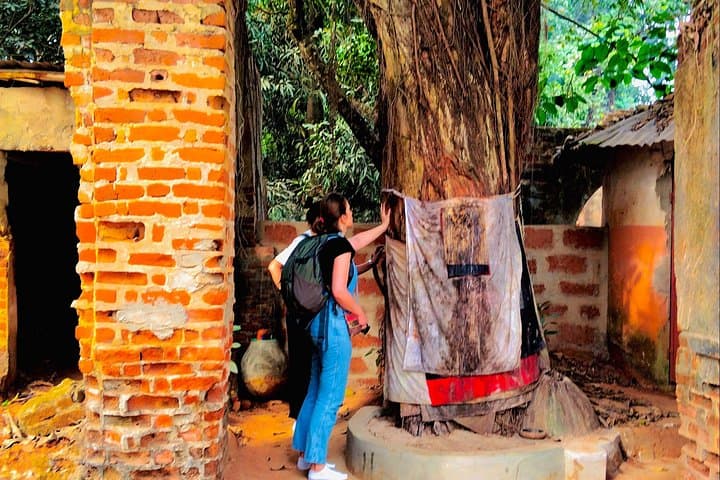
Ouidah’s streets carry difficult history and resilient culture. Once a major port in the Atlantic slave trade, its Slave Route culminates at the Door of No Return, a stark reminder of mass displacement. Geologically the coast is flat, sandy and lined with casuarina and palm — tides shape the shore rather than dramatic cliffs. Culturally, the city bridges West African and Afro-Brazilian legacies: Brazil House documents returnee communities, while the Sacred Forest of Kpassè preserves ritual spaces and sacred trees tied to local kingship and Vodun practice.
Practical guidance: tours run 1–3 hours and involve paved streets and short sandy paths; bring sun protection, a refillable water bottle and comfortable walking shoes. Respect is essential — ask before photographing people or rituals and follow your guide’s instructions at sacred sites. Mornings or late afternoons are cooler and better for reading plaques and listening to oral histories without the midday heat.
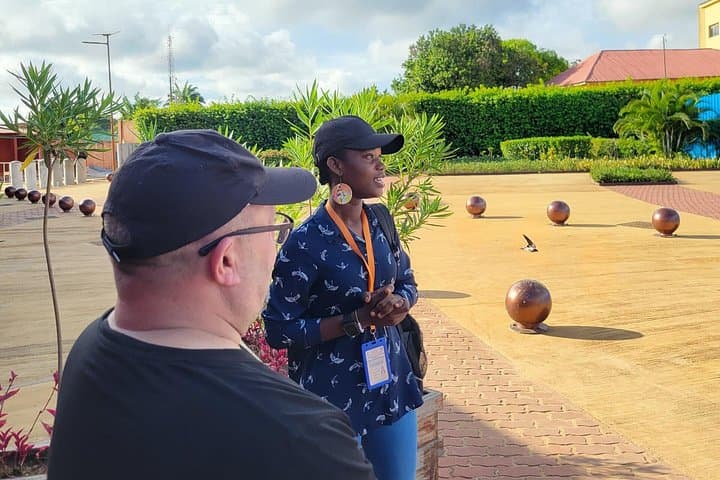
This half-day immersion is equal parts museum, spiritual site visit and town walk. Expect personal stories from a local guide, concentrated history lessons, and close-up encounters with living traditions that shape Ouidah today.
moderate.
1–3 hours.
Light to moderate fitness for walking on paved and sandy paths; able to stand for short interpretive stops
According to the itinerary, admissions to the listed sites (Temple of Pythons, Kpassè forest, Brazil House, Slave Route) are included, but confirm at booking for any special exhibits.
Yes — the provider notes stroller access and infant seats; expect short walks and interpretive stops, though moderate walking is required.
Photography of architecture and monuments is generally allowed; always ask permission before photographing worshippers or rituals and follow the guide’s instructions.
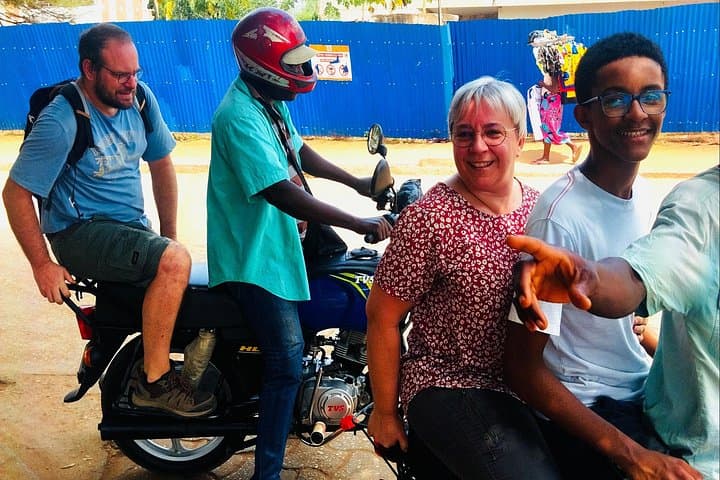
Ouidah is about 40–60 minutes west of Cotonou by road; travelers typically arrive by taxi, private transfer, or arranged pickup from the tour operator.
Ouidah was a major West African port in the Atlantic slave trade and later a cultural meeting point for returning Afro-Brazilian communities; Vodun remains a lived, local religion.
Local efforts focus on protecting sacred groves like Kpassè and minimizing coastal erosion; visitors are encouraged to stick to paths and avoid collecting natural materials.
Solidar'Tour operates guided outdoor trips and adventures with an emphasis on safety, stewardship, and memorable experiences.

A salt-scented breeze pushes across the coastal road as the group steps off the minivan into Ouidah’s compact historic core. Ahead, carved wooden pythons coil beneath a low-roofed temple; behind them, the wide Atlantic waits at the Gate of No Return. Walking here is immediate and sensory: the thud of market life, the quiet snap of palm fronds, and the low chant of elders keeping Vodun traditions alive.
A salt-scented breeze pushes across the coastal road as the group steps off the minivan into Ouidah’s compact historic core. Ahead, carved wooden pythons coil beneath a low-roofed temple; behind them, the wide Atlantic waits at the Gate of No Return. Walking here is immediate and sensory: the thud of market life, the quiet snap of palm fronds, and the low chant of elders keeping Vodun traditions alive.
Ouidah’s streets carry difficult history and resilient culture. Once a major port in the Atlantic slave trade, its Slave Route culminates at the Door of No Return, a stark reminder of mass displacement. Geologically the coast is flat, sandy and lined with casuarina and palm — tides shape the shore rather than dramatic cliffs. Culturally, the city bridges West African and Afro-Brazilian legacies: Brazil House documents returnee communities, while the Sacred Forest of Kpassè preserves ritual spaces and sacred trees tied to local kingship and Vodun practice.
Practical guidance: tours run 1–3 hours and involve paved streets and short sandy paths; bring sun protection, a refillable water bottle and comfortable walking shoes. Respect is essential — ask before photographing people or rituals and follow your guide’s instructions at sacred sites. Mornings or late afternoons are cooler and better for reading plaques and listening to oral histories without the midday heat.
This half-day immersion is equal parts museum, spiritual site visit and town walk. Expect personal stories from a local guide, concentrated history lessons, and close-up encounters with living traditions that shape Ouidah today.