THE ADVENTURE COLLECTIVE® · Independent discovery and booking for outdoor travel

Walk among Roman amphitheatres, taste estate-pressed extra virgin olive oil and wander Andalusian streets in Testour. This full-day private tour from Tunis pairs archaeology with hands-on olive grove insights and a country lunch.
Walk among Roman amphitheatres, taste estate-pressed extra virgin olive oil and wander Andalusian streets in Testour. This full-day private tour from Tunis pairs archaeology with hands-on olive grove insights and a country lunch.
You step out of the van onto sun-warmed stone; dust lifts like a curtain and the amphitheatre of Oudhna opens before you. The air smells faintly of dry earth and crushed olive leaves. A guide’s voice draws lines between columns and ceremonies long past while the cisterns below remind you that water shaped this place as much as empire.
Verified experiences and guided adventures in the surrounding area.
Operated by TUNISIVISION · Tunis, Tunis Governorate
You step out of the van onto sun-warmed stone; dust lifts like a curtain and the amphitheatre of Oudhna opens before you. The air smells faintly of dry earth and crushed olive leaves. A guide’s voice draws lines between columns and ceremonies long past while the cisterns below remind you that water shaped this place as much as empire.
Oudhna (Uthina) was a Roman provincial town whose theatre, baths and capitol speak to North Africa’s role in antiquity; later, Testour took shape under 17th-century Andalusian settlers, its streets and mosque carrying a Spanish echo. Geologically the region is gentle—limestone outcrops, terraced fields and low, rolling hills—easy to walk but quick to reveal weathered mosaics and rock-cut cisterns.
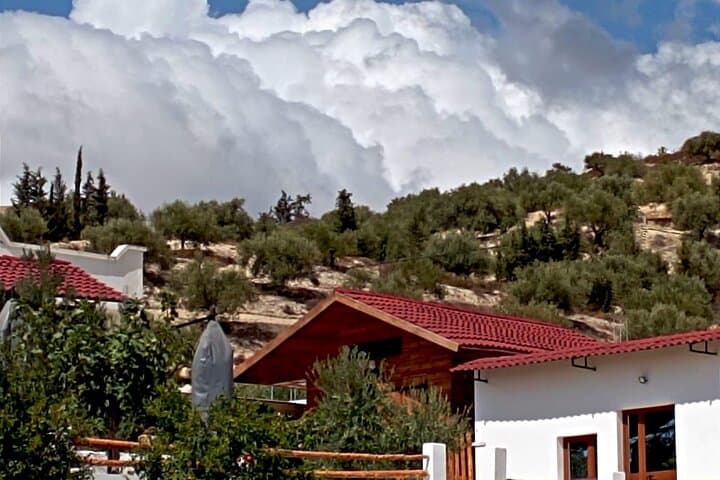
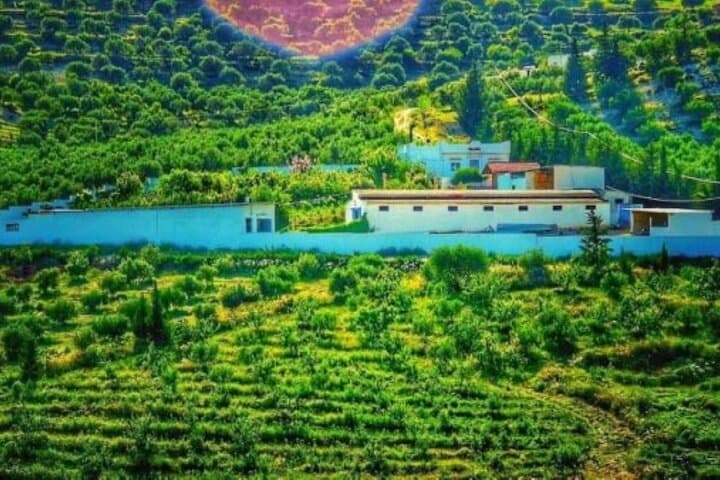
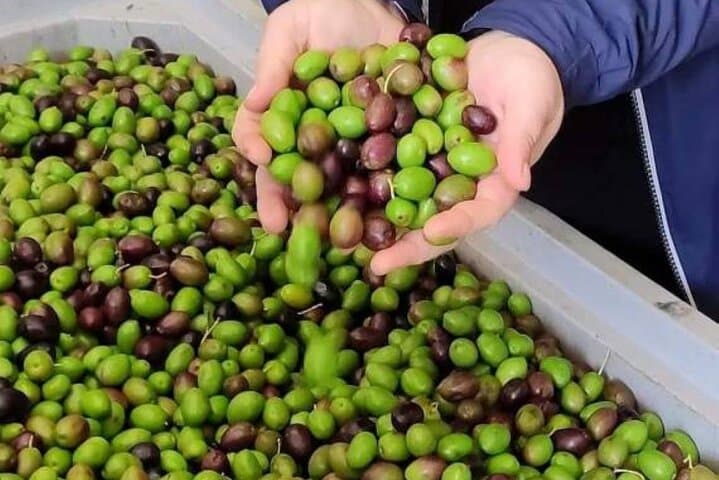
In the olive grove you see trees that act like patient elders, roots gripping stony soils while sunlight pushes through silvery leaves. Owners demonstrate organic pruning, cold-press techniques and how acidity and harvest timing alter flavor; tasting moves from grassy to peppery notes across drizzles and bites.
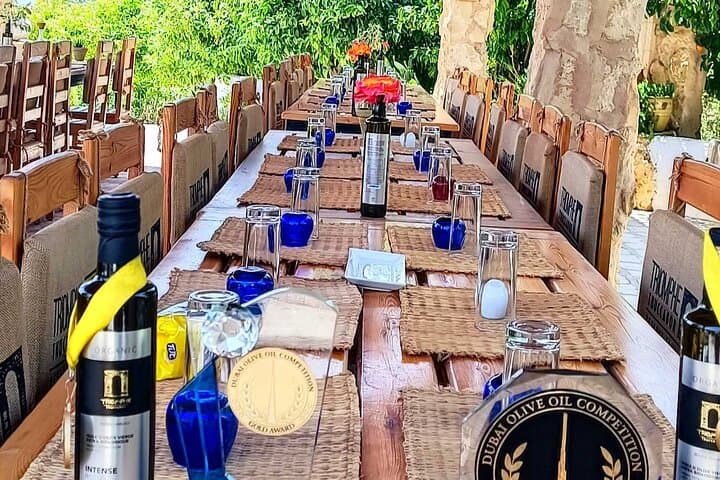
Practical guidance: wear sturdy closed-toe shoes for uneven ruins and gravel in groves; plan for roughly 1–3 km of walking at modest pace, mostly flat with short steps. Bring water, a sun hat and layered light clothing—mornings can be cool, afternoons hot. Midweek visits are quieter; spring and autumn offer best light for photos. Respect private groves, ask before photographing people, and save room for a country lunch that showcases regional cheeses, seasonal vegetables and local bread.
easy.
8 hours.
Suitable for most fitness levels; requires ability to walk 1–3 km on uneven surfaces and stand during tastings.
Yes; the tour includes private transportation to and from the meeting point in Tunis as part of the package.
Yes; the visit includes an olive oil tasting led by the owners and a country lunch featuring regional specialties.
The tour is marked easy and suitable for most ages, but ruins have uneven surfaces; guests with limited mobility should notify the operator to arrange assistance.
Admission to the archaeological site is included in the itinerary as stated in the booking details.
Oudhna (Uthina) was an active Roman town with theatre and baths; Testour was reshaped by 17th‑century Andalusian refugees whose architecture and the mosque’s unique minaret remain defining features.
Many family groves in the region practice organic or low‑input farming; visitors should stick to paths, avoid disturbing trees and support producers who prioritize water-wise cultivation.
TUNISIVISION operates guided outdoor trips and adventures with an emphasis on safety, stewardship, and memorable experiences.
You step out of the van onto sun-warmed stone; dust lifts like a curtain and the amphitheatre of Oudhna opens before you. The air smells faintly of dry earth and crushed olive leaves. A guide’s voice draws lines between columns and ceremonies long past while the cisterns below remind you that water shaped this place as much as empire.
You step out of the van onto sun-warmed stone; dust lifts like a curtain and the amphitheatre of Oudhna opens before you. The air smells faintly of dry earth and crushed olive leaves. A guide’s voice draws lines between columns and ceremonies long past while the cisterns below remind you that water shaped this place as much as empire.
Oudhna (Uthina) was a Roman provincial town whose theatre, baths and capitol speak to North Africa’s role in antiquity; later, Testour took shape under 17th-century Andalusian settlers, its streets and mosque carrying a Spanish echo. Geologically the region is gentle—limestone outcrops, terraced fields and low, rolling hills—easy to walk but quick to reveal weathered mosaics and rock-cut cisterns.
In the olive grove you see trees that act like patient elders, roots gripping stony soils while sunlight pushes through silvery leaves. Owners demonstrate organic pruning, cold-press techniques and how acidity and harvest timing alter flavor; tasting moves from grassy to peppery notes across drizzles and bites.
Practical guidance: wear sturdy closed-toe shoes for uneven ruins and gravel in groves; plan for roughly 1–3 km of walking at modest pace, mostly flat with short steps. Bring water, a sun hat and layered light clothing—mornings can be cool, afternoons hot. Midweek visits are quieter; spring and autumn offer best light for photos. Respect private groves, ask before photographing people, and save room for a country lunch that showcases regional cheeses, seasonal vegetables and local bread.