THE ADVENTURE COLLECTIVE® · Independent discovery and booking for outdoor travel

Step across Stari Most and into four centuries of Ottoman life. This two-hour walking tour mixes history, architecture, and a Bosnian coffee class to give a hands-on primer of Mostar’s Ottoman legacy.
Step across Stari Most and into four centuries of Ottoman life. This two-hour walking tour mixes history, architecture, and a Bosnian coffee class to give a hands-on primer of Mostar’s Ottoman legacy.
The morning sun lifts off the Neretva and throws a hard light across Stari Most; the river dares you to cross and promises a cooler current beneath the stone arch. On this short walking tour you move at the city's tempo—through cobbled streets, into shaded courtyards, and into rooms where everyday rituals from four centuries ago still shape a corner of life.
Verified experiences and guided adventures in the surrounding area.
Operated by iHouse Travel · Mostar, Federation of Bosnia and Herzegovina
The morning sun lifts off the Neretva and throws a hard light across Stari Most; the river dares you to cross and promises a cooler current beneath the stone arch. On this short walking tour you move at the city's tempo—through cobbled streets, into shaded courtyards, and into rooms where everyday rituals from four centuries ago still shape a corner of life.
Mostar grew as an Ottoman frontier town in the 16th century; its architecture, language notes, and culinary habits still show that inheritance. Stari Most, rebuilt after the 1990s conflict, marks both Ottoman engineering and modern restoration. The city's karst geology—limestone cliffs and a narrow river gorge—directed settlement patterns and trade routes that made Mostar a local hub.
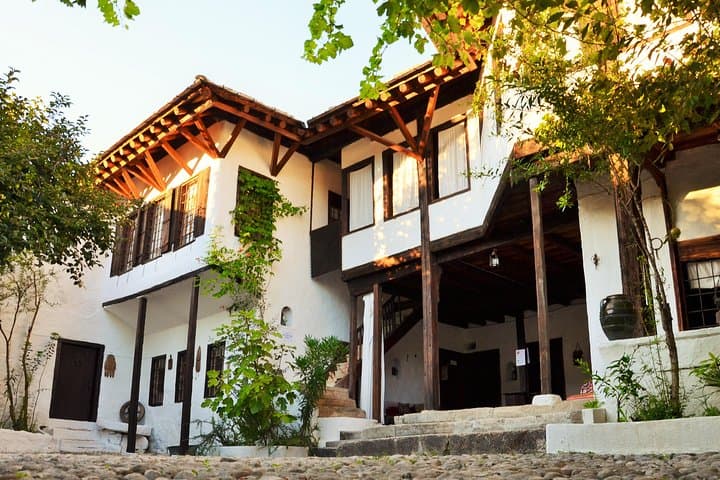
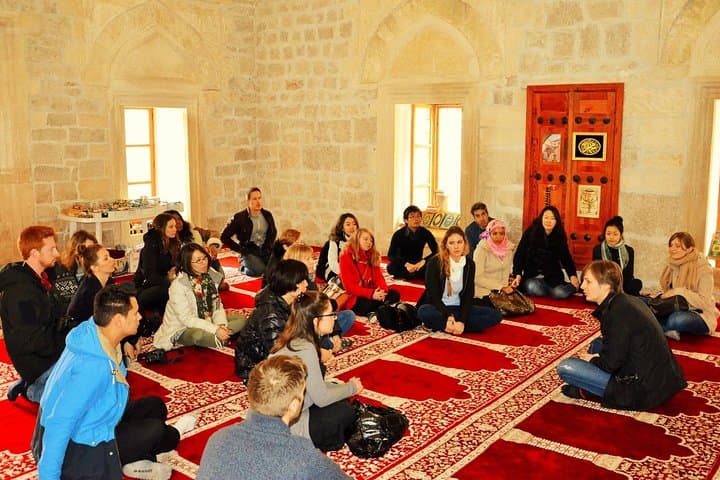
Cultural touchpoints on the tour include traditional Bosnian coffee preparation and visits to period houses that reveal family life, prayer routines, and craft trades. Guides explain religious coexistence, Ottoman civic design, and how the bridge connected markets and neighborhoods.
Practical side: this is a two-hour, low-impact walking experience suitable for most visitors. Expect uneven cobbles and short stair sections; modest dress is appreciated at religious sites. Bring a light layer for river breezes and small change for local artisans.
In 120 minutes you'll leave with a clearer sense of how empire shaped daily life here—a tactile primer on Mostar that pairs sensory detail with solid context, and enough local know-how to continue exploring on your own.
easy.
2 hours.
Suitable for most fitness levels; requires basic mobility for cobbles and short stairs.
Yes—guides usually take you to viewpoints of Stari Most and discuss its Ottoman construction and modern restoration; access onto the bridge depends on pedestrian traffic.
The tour lasts about two hours and involves mostly short, easy walks through cobbled streets and a few stair sections.
Children are welcome but must be accompanied by an adult; the pace is gentle but watch for uneven pavement.
Yes—the inclusion is an introductory, hands-on class where you learn traditional preparation and etiquette for Bosnian coffee.
Mostar rose to prominence under Ottoman rule in the 16th century; Stari Most was originally completed in 1566 and became a vital local link for trade and cultural exchange.
Ongoing restoration and visitor management aim to protect Stari Most and fragile historic houses; travelers are encouraged to support local operators and avoid touching fragile surfaces.
iHouse Travel operates guided outdoor trips and adventures with an emphasis on safety, stewardship, and memorable experiences.
The morning sun lifts off the Neretva and throws a hard light across Stari Most; the river dares you to cross and promises a cooler current beneath the stone arch. On this short walking tour you move at the city's tempo—through cobbled streets, into shaded courtyards, and into rooms where everyday rituals from four centuries ago still shape a corner of life.
The morning sun lifts off the Neretva and throws a hard light across Stari Most; the river dares you to cross and promises a cooler current beneath the stone arch. On this short walking tour you move at the city's tempo—through cobbled streets, into shaded courtyards, and into rooms where everyday rituals from four centuries ago still shape a corner of life.
Mostar grew as an Ottoman frontier town in the 16th century; its architecture, language notes, and culinary habits still show that inheritance. Stari Most, rebuilt after the 1990s conflict, marks both Ottoman engineering and modern restoration. The city's karst geology—limestone cliffs and a narrow river gorge—directed settlement patterns and trade routes that made Mostar a local hub.
Cultural touchpoints on the tour include traditional Bosnian coffee preparation and visits to period houses that reveal family life, prayer routines, and craft trades. Guides explain religious coexistence, Ottoman civic design, and how the bridge connected markets and neighborhoods.
Practical side: this is a two-hour, low-impact walking experience suitable for most visitors. Expect uneven cobbles and short stair sections; modest dress is appreciated at religious sites. Bring a light layer for river breezes and small change for local artisans.
In 120 minutes you'll leave with a clearer sense of how empire shaped daily life here—a tactile primer on Mostar that pairs sensory detail with solid context, and enough local know-how to continue exploring on your own.