
Otavalo Market Full-Day Tour from Quito: Textiles, Totora Lakes & Cotacachi
Spend a full day at South America’s largest indigenous market—browse handwoven textiles, visit totora-lined lakes at Imbabura’s base, and stop in Cotacachi for leather goods and lunch. This guided tour blends culture, geology, and practical market know-how.
An Adventure In Quito.
Spend a full day at South America’s largest indigenous market—browse handwoven textiles, visit totora-lined lakes at Imbabura’s base, and stop in Cotacachi for leather goods and lunch. This guided tour blends culture, geology, and practical market know-how.
Read the full experience
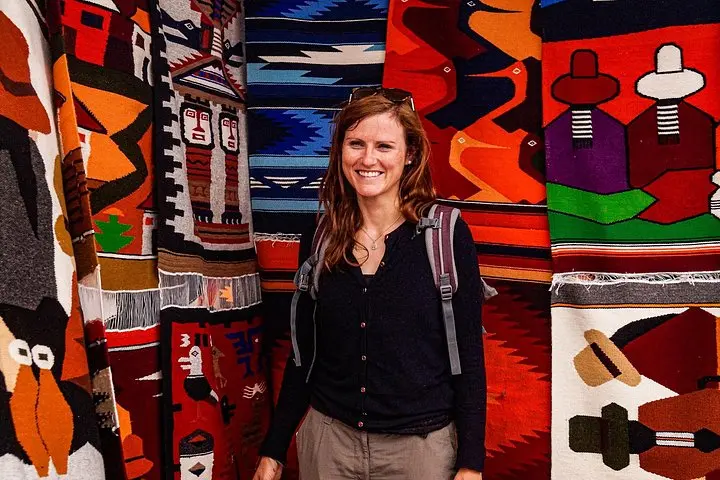
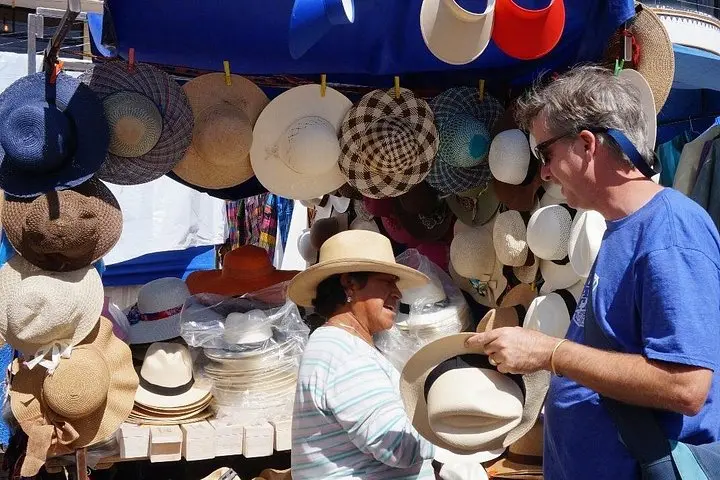
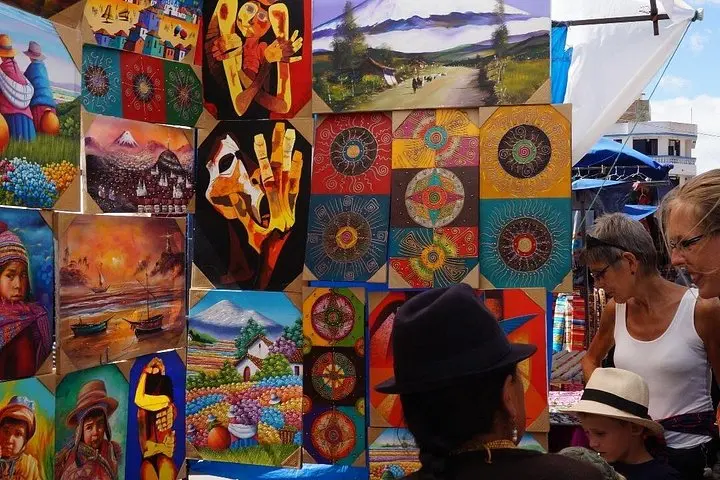
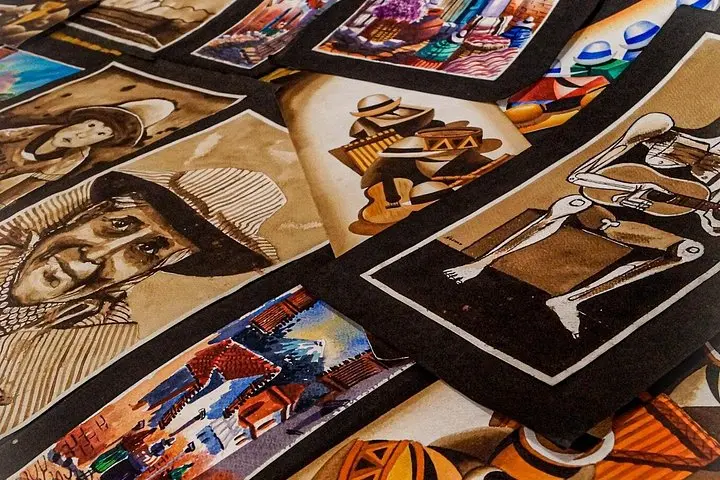
You step off the van into a square that hums: vendors arrange stacked alpaca shawls, musicians tune wooden flutes, and the air carries the warmth of fresh bread and earth. The market at Otavalo spills across Plaza de los Ponchos and into narrow streets where color and craft set the pace of the day.
You step off the van into a square that hums: vendors arrange stacked alpaca shawls, musicians tune wooden flutes, and the air carries the warmth of fresh bread and earth. The market at Otavalo spills across Plaza de los Ponchos and into narrow streets where color and craft set the pace of the day.
This region sits on the northern edge of Ecuador’s Andean highlands beneath the profile of Imbabura volcano. The Otavalo people—Kichwa-speaking artisans—have sold woven goods here for generations, keeping patterns and techniques alive. Nearby features include totora-lined lakes at the volcano’s foothills and leather workshops in Cotacachi; geology and craft meet where volcanic soils feed highland grasses used for traditional dyes and weaving.
Expect an immersive cultural market experience: bargaining for textiles, seeing totora reed beds at a small lakeshore, and a stop in Cotacachi for lunch and leather goods. Language is predominantly Kichwa and Spanish; many vendors speak basic English. The walk is mostly flat in town but uneven cobbles are common—bring sturdy shoes. Midday sun and sudden mountain rains are both likely; dress in layers. Guides typically include history of weaving motifs, a demonstration of local baking, and time to explore stalls.
Practical: tours run 8–9 hours from Quito, include lunch and a guide, and are best booked with morning departures to avoid afternoon clouds. Carry small bills for purchases, water, and a compact daypack. Respect photo requests and support vendors directly—this market is both living culture and a working economy.
Frequently asked questions
Yes—most full-day tours depart Quito early morning and include round-trip transport; confirm your pickup location at booking.
The main market is active every day, but the largest artisan market around Plaza de los Ponchos is busiest on Saturdays—daily visits still offer many vendors and crafts.
Most market stalls accept cash only; some leather shops or larger stores in Cotacachi may accept cards—carry cash for smaller purchases.
Yes—the pace is moderate with frequent stops, but cobbles and crowds can be tiring; bring snacks and plan for rests.
About This Experience
Ecuador Treasure operates guided outdoor trips and adventures with an emphasis on safety, stewardship, and memorable experiences.
Adventure tips
Recommended gear
- Comfortable walking shoes: Support and grip for cobbles and market crowds.
- Daypack with water bottle: Carry water, purchases, and layers without slowing your walk.
- Light waterproof jacket: Protects against sudden mountain showers common in the highlands.
- Small bills and a secure wallet: Local vendors often transact in cash and appreciate exact change.
Photos of the experience
Related adventures & guides
Read the full experience
You step off the van into a square that hums: vendors arrange stacked alpaca shawls, musicians tune wooden flutes, and the air carries the warmth of fresh bread and earth. The market at Otavalo spills across Plaza de los Ponchos and into narrow streets where color and craft set the pace of the day.
You step off the van into a square that hums: vendors arrange stacked alpaca shawls, musicians tune wooden flutes, and the air carries the warmth of fresh bread and earth. The market at Otavalo spills across Plaza de los Ponchos and into narrow streets where color and craft set the pace of the day.
This region sits on the northern edge of Ecuador’s Andean highlands beneath the profile of Imbabura volcano. The Otavalo people—Kichwa-speaking artisans—have sold woven goods here for generations, keeping patterns and techniques alive. Nearby features include totora-lined lakes at the volcano’s foothills and leather workshops in Cotacachi; geology and craft meet where volcanic soils feed highland grasses used for traditional dyes and weaving.
Expect an immersive cultural market experience: bargaining for textiles, seeing totora reed beds at a small lakeshore, and a stop in Cotacachi for lunch and leather goods. Language is predominantly Kichwa and Spanish; many vendors speak basic English. The walk is mostly flat in town but uneven cobbles are common—bring sturdy shoes. Midday sun and sudden mountain rains are both likely; dress in layers. Guides typically include history of weaving motifs, a demonstration of local baking, and time to explore stalls.
Practical: tours run 8–9 hours from Quito, include lunch and a guide, and are best booked with morning departures to avoid afternoon clouds. Carry small bills for purchases, water, and a compact daypack. Respect photo requests and support vendors directly—this market is both living culture and a working economy.
Make a day of it nearby.
Verified experiences and guided adventures in the surrounding area.