THE ADVENTURE COLLECTIVE® · Independent discovery and booking for outdoor travel

Spend a full day among Otavalo’s bustling textile stalls and the volcanic rim of Laguna Cuicocha. This practical day trip pairs artisan markets with easy lakeside walks and clear guidance for high-altitude travel.
Spend a full day among Otavalo’s bustling textile stalls and the volcanic rim of Laguna Cuicocha. This practical day trip pairs artisan markets with easy lakeside walks and clear guidance for high-altitude travel.
A crisp Andean morning unfolds as a minivan threads through highland pastures and volcanic ridgelines, depositing visitors at Otavalo’s famous outdoor market. Stalls fan out across a broad plaza, colors and patterns moving like a living map of indigenous identity—woven blankets, embroidered ponchos and hammered silver. Conversations in Kichwa and Spanish give the place a steady human rhythm.
Verified experiences and guided adventures in the surrounding area.
Operated by ToEcuador · Otavalo, Imbabura
A crisp Andean morning unfolds as a minivan threads through highland pastures and volcanic ridgelines, depositing visitors at Otavalo’s famous outdoor market. Stalls fan out across a broad plaza, colors and patterns moving like a living map of indigenous identity—woven blankets, embroidered ponchos and hammered silver. Conversations in Kichwa and Spanish give the place a steady human rhythm.
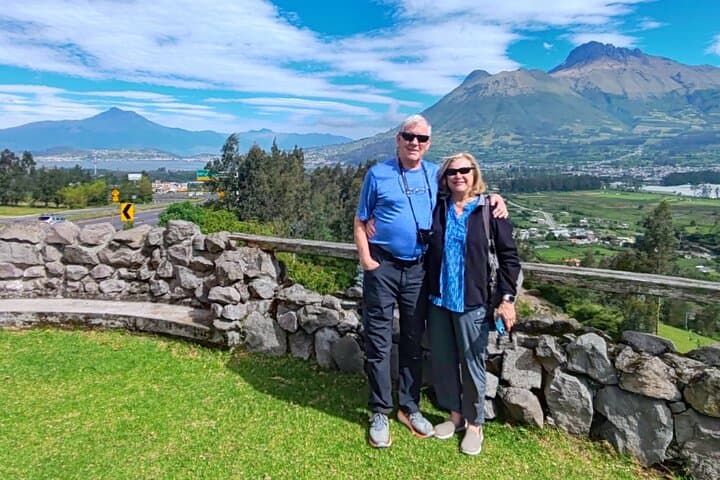
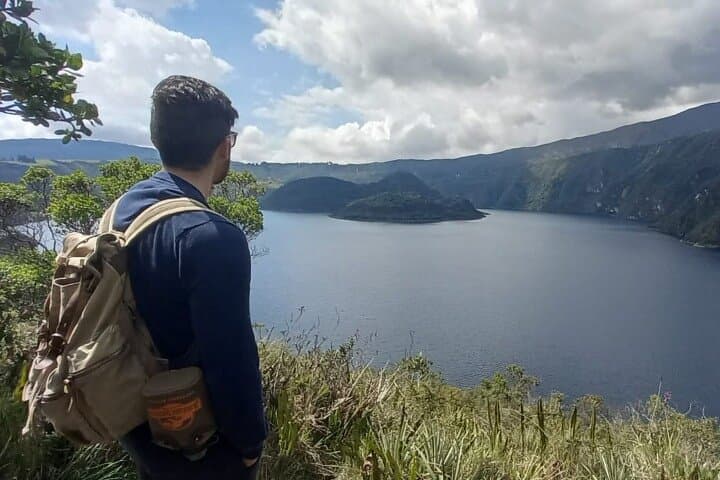
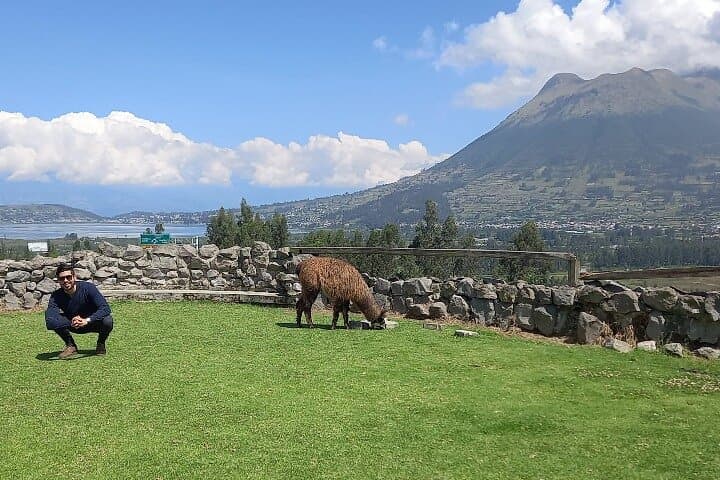
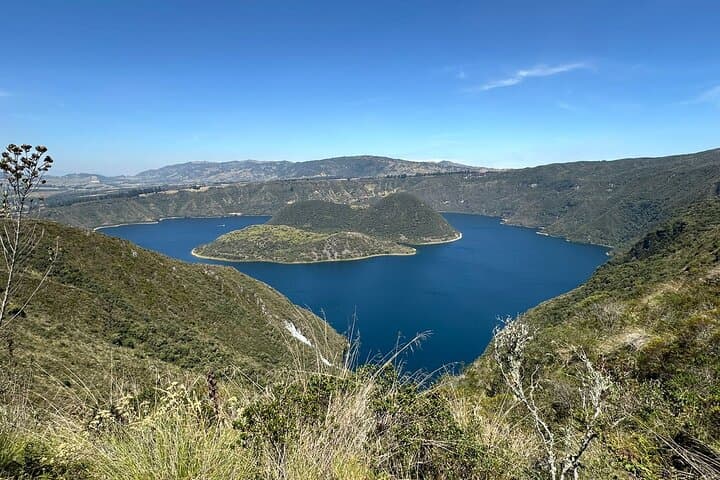
This region sits on the northern flanks of the Cotacachi-Cayapas volcanic complex. Laguna Cuicocha occupies a caldera formed centuries ago; two emerald islands rise from the water, and the rim offers sweeping views across Imbabura Province. Human history here is layered: Otavalo’s artisans trace techniques through generations, while Cotacachi is known for leatherworking and colonial-era trade routes.
Visitors will alternate between sensory browsing in market aisles and short, easy walks around observation points at Cuicocha. Expect cobbled streets in Cotacachi, a lakeside rim trail with loose volcanic scree, and elevation near 2,500–3,100 meters, where the air feels thin and bright.
Practical notes: wear sturdy walking shoes, layer for sun and wind, and bring water and sunscreen. The tour typically runs most of the day (7–8 hours) with private transport and a bilingual guide; entrance to Cuicocha is usually included. Buy directly from artisans when possible, and keep to marked paths at the lagoon—peat soils and endemic plants are easily disturbed. With simple preparation, this day trip is a compact immersion in Andean landscape, craft and culture.
easy.
7–8 hours.
Suitable for most fitness levels; expect light walking on uneven market surfaces and short lakeside trails at altitude
Yes—this private tour includes pick-up and drop-off by private transportation, typically from Otavalo or prearranged points in Quito.
Most itineraries allot about 1.5–2 hours at the market to browse textiles, silverwork and food stalls.
The lakeside viewpoints and short rim walks are generally easy, but trails have loose volcanic rock and some gentle grades—sturdy shoes recommended.
Entrance to Laguna Cuicocha and a bilingual guide are normally included, but confirm specifics when booking.
Otavalo has been an indigenous trading hub for centuries; its textile designs preserve patterns and weaving techniques passed among the Kichwa-speaking community.
The Cuicocha caldera is an ecologically sensitive high-Andean ecosystem—stay on marked trails, avoid disturbing shorelines, and support local conservation-minded guides.
ToEcuador operates guided outdoor trips and adventures with an emphasis on safety, stewardship, and memorable experiences.
A crisp Andean morning unfolds as a minivan threads through highland pastures and volcanic ridgelines, depositing visitors at Otavalo’s famous outdoor market. Stalls fan out across a broad plaza, colors and patterns moving like a living map of indigenous identity—woven blankets, embroidered ponchos and hammered silver. Conversations in Kichwa and Spanish give the place a steady human rhythm.
A crisp Andean morning unfolds as a minivan threads through highland pastures and volcanic ridgelines, depositing visitors at Otavalo’s famous outdoor market. Stalls fan out across a broad plaza, colors and patterns moving like a living map of indigenous identity—woven blankets, embroidered ponchos and hammered silver. Conversations in Kichwa and Spanish give the place a steady human rhythm.
This region sits on the northern flanks of the Cotacachi-Cayapas volcanic complex. Laguna Cuicocha occupies a caldera formed centuries ago; two emerald islands rise from the water, and the rim offers sweeping views across Imbabura Province. Human history here is layered: Otavalo’s artisans trace techniques through generations, while Cotacachi is known for leatherworking and colonial-era trade routes.
Visitors will alternate between sensory browsing in market aisles and short, easy walks around observation points at Cuicocha. Expect cobbled streets in Cotacachi, a lakeside rim trail with loose volcanic scree, and elevation near 2,500–3,100 meters, where the air feels thin and bright.
Practical notes: wear sturdy walking shoes, layer for sun and wind, and bring water and sunscreen. The tour typically runs most of the day (7–8 hours) with private transport and a bilingual guide; entrance to Cuicocha is usually included. Buy directly from artisans when possible, and keep to marked paths at the lagoon—peat soils and endemic plants are easily disturbed. With simple preparation, this day trip is a compact immersion in Andean landscape, craft and culture.