
Otavalo Market & Cotacachi Day Trip from Quito: Highlands Textiles, Volcano Views, and Leathercraft
Spend a full day north of Quito visiting Otavalo's famed Indigenous market and the leather workshops of Cotacachi. Expect volcano views, traditional textiles, and practical tips for shopping and altitude comfort on this 7–8 hour cultural day trip.
An Adventure In Quito.
Spend a full day north of Quito visiting Otavalo's famed Indigenous market and the leather workshops of Cotacachi. Expect volcano views, traditional textiles, and practical tips for shopping and altitude comfort on this 7–8 hour cultural day trip.
Read the full experience
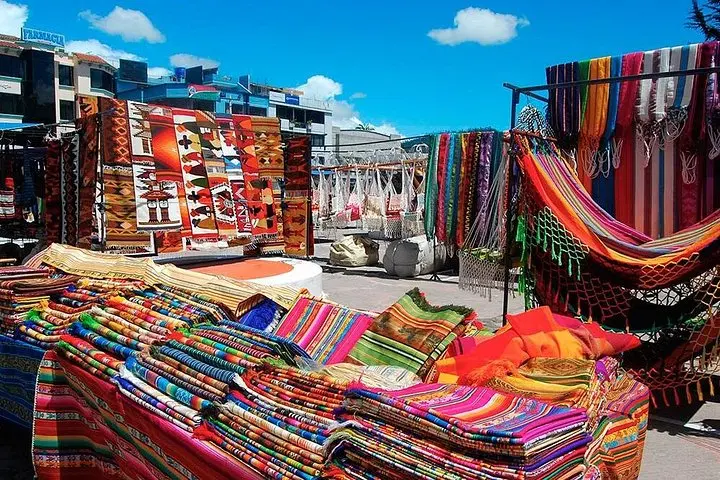
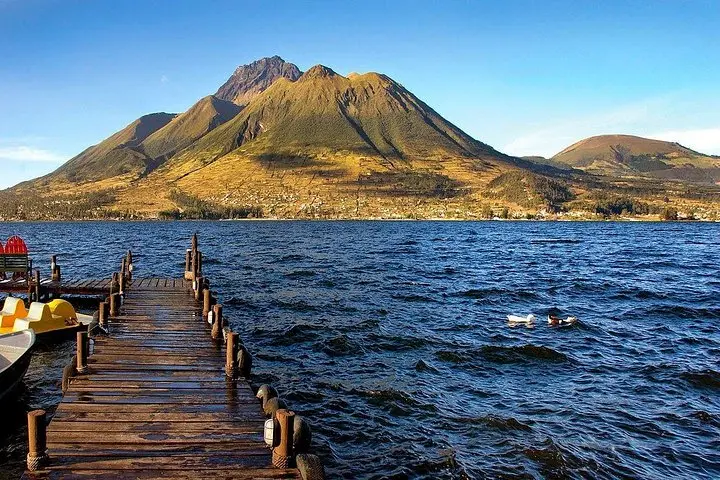
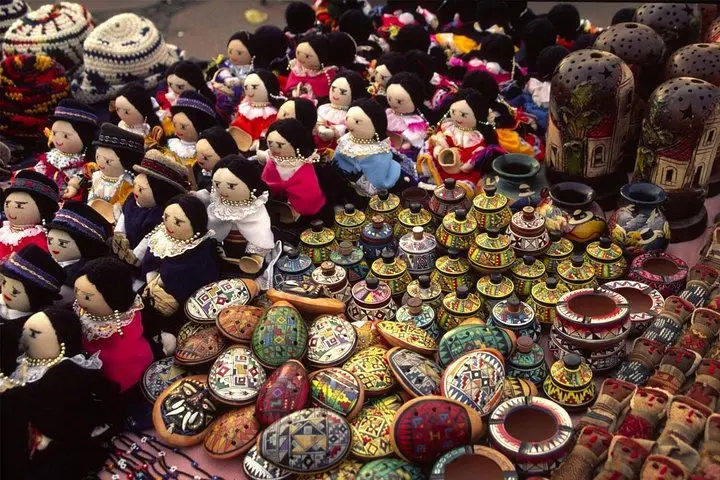
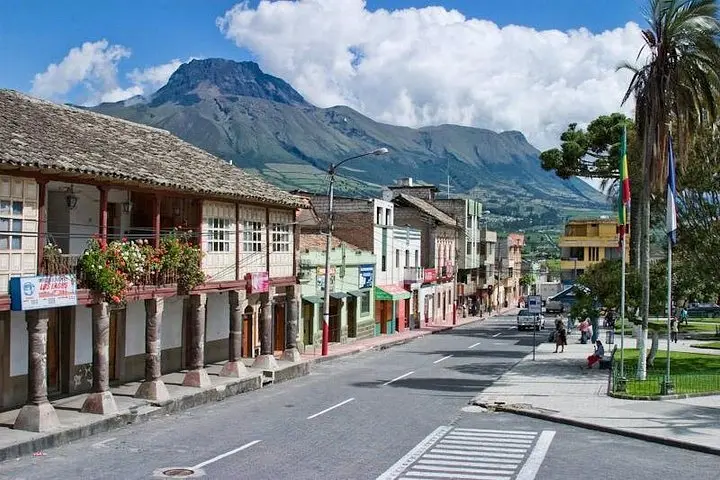
You leave Quito before dawn and drive north into the highland air, the bus rising through cloud-sliced hills where farmers tend alpacas and stone walls mark centuries of land use. The road opens to a sweeping view of Imbabura volcano (4,610 m), its flanks catching thin light as the San Pablo lagoon mirrors the sky. By mid-morning the Otavalo market unfurls: stalls of handwoven ponchos, embroidered shirts, and carved instruments spill into the plaza; vendors call out prices and stories with steady rhythm.
You leave Quito before dawn and drive north into the highland air, the bus rising through cloud-sliced hills where farmers tend alpacas and stone walls mark centuries of land use. The road opens to a sweeping view of Imbabura volcano (4,610 m), its flanks catching thin light as the San Pablo lagoon mirrors the sky. By mid-morning the Otavalo market unfurls: stalls of handwoven ponchos, embroidered shirts, and carved instruments spill into the plaza; vendors call out prices and stories with steady rhythm.
This landscape is shaped by the Cotacachi-Cayapas volcanic complex and the glaciers and lakes that once carved its calderas. Otavalo is a living Indigenous trade center—home to the Otavalo Kichwa—whose textile techniques and trade networks predate the republic. Cotacachi, a short drive west, built a modern reputation on hand-tooled leatherwork produced in small family workshops.
Practical guidance: the round trip from Quito is about 7–8 hours and covers roughly 80–100 km each way depending on stops. Expect elevations around 2,530 m in Otavalo—mild altitude effects are possible for visitors from sea level. Bring layered clothing for a chilly morning and a warmer afternoon, carry cash in small bills for market purchases, and leave fragile heirlooms at home. Photography is welcome, but ask permission before shooting portraits. The tour typically includes lunch and a bilingual guide; group sizes are small (up to 12), which keeps the pace conversational and practical.
Frequently asked questions
The main market is busiest on Saturdays; Tuesdays may have smaller exchange activities but vary by local practice.
The trip typically covers about 80–100 km and takes roughly 1.5–2 hours each way, depending on traffic and stops.
Otavalo sits around 2,530 m; most visitors experience mild effects—stay hydrated, eat, and move at a comfortable pace.
Yes; Cotacachi is known for quality leather workshops and boutiques where you can observe craftsmanship and purchase finished goods.
About This Experience
Galapagos Tours Nature Galapagos & Ecuador operates guided outdoor trips and adventures with an emphasis on safety, stewardship, and memorable experiences.
Adventure tips
Recommended gear
- Sturdy walking shoes: Closed-toe shoes handle cobblestones and market crowds comfortably.
- Light rain jacket: Quick showers are common—waterproof shell keeps you dry without overheating.
- Cash (small bills): Artisans often accept only cash and appreciate small denominations for bargaining.
- Daypack with water bottle: Keeps valuables secure and carries snacks or layers for the day.
Photos of the experience
Related adventures & guides
Read the full experience
You leave Quito before dawn and drive north into the highland air, the bus rising through cloud-sliced hills where farmers tend alpacas and stone walls mark centuries of land use. The road opens to a sweeping view of Imbabura volcano (4,610 m), its flanks catching thin light as the San Pablo lagoon mirrors the sky. By mid-morning the Otavalo market unfurls: stalls of handwoven ponchos, embroidered shirts, and carved instruments spill into the plaza; vendors call out prices and stories with steady rhythm.
You leave Quito before dawn and drive north into the highland air, the bus rising through cloud-sliced hills where farmers tend alpacas and stone walls mark centuries of land use. The road opens to a sweeping view of Imbabura volcano (4,610 m), its flanks catching thin light as the San Pablo lagoon mirrors the sky. By mid-morning the Otavalo market unfurls: stalls of handwoven ponchos, embroidered shirts, and carved instruments spill into the plaza; vendors call out prices and stories with steady rhythm.
This landscape is shaped by the Cotacachi-Cayapas volcanic complex and the glaciers and lakes that once carved its calderas. Otavalo is a living Indigenous trade center—home to the Otavalo Kichwa—whose textile techniques and trade networks predate the republic. Cotacachi, a short drive west, built a modern reputation on hand-tooled leatherwork produced in small family workshops.
Practical guidance: the round trip from Quito is about 7–8 hours and covers roughly 80–100 km each way depending on stops. Expect elevations around 2,530 m in Otavalo—mild altitude effects are possible for visitors from sea level. Bring layered clothing for a chilly morning and a warmer afternoon, carry cash in small bills for market purchases, and leave fragile heirlooms at home. Photography is welcome, but ask permission before shooting portraits. The tour typically includes lunch and a bilingual guide; group sizes are small (up to 12), which keeps the pace conversational and practical.
Make a day of it nearby.
Verified experiences and guided adventures in the surrounding area.