THE ADVENTURE COLLECTIVE® · Independent discovery and booking for outdoor travel

Spend 90 minutes on the Otago Peninsula learning about and searching for the endangered yellow-eyed penguin. This small-group tour combines a theatre briefing, access to a rehabilitation centre, and a guided 2 km reserve walk—your visit directly supports conservation work.
Spend 90 minutes on the Otago Peninsula learning about and searching for the endangered yellow-eyed penguin. This small-group tour combines a theatre briefing, access to a rehabilitation centre, and a guided 2 km reserve walk—your visit directly supports conservation work.
A low sun spills across tussock and scrub as the Otago Peninsula wakes; gulls circle the headlands and the sea pushes white ridges against basalt cliffs that remember volcanic heat. On this guided 90-minute tour you move from a compact theatre briefing into a working rehabilitation centre, then step onto a roughly 2 km (1.25 mi) nature walk inside a private reserve where the endangered yellow-eyed penguin (hoiho) and other coastal species live free.
Verified experiences and guided adventures in the surrounding area.
Operated by The Otago Peninsula Eco Restoration Alliance · Dunedin, Otago
A low sun spills across tussock and scrub as the Otago Peninsula wakes; gulls circle the headlands and the sea pushes white ridges against basalt cliffs that remember volcanic heat. On this guided 90-minute tour you move from a compact theatre briefing into a working rehabilitation centre, then step onto a roughly 2 km (1.25 mi) nature walk inside a private reserve where the endangered yellow-eyed penguin (hoiho) and other coastal species live free.
The peninsula is a geological outcrop of the ancient Dunedin volcano, its sheltered bays and rocky points shaped by lava flows and marine erosion. Māori long knew these shores for shellfish and bird life; today local conservation groups work alongside guides to protect breeding penguins and restore coastal habitat. The tour supports on-site rehabilitation and education, so your visit directly funds recovery projects.
Expect mixed terrain: short slopes, compacted tracks, and occasional muddy patches. Guides provide binoculars and complimentary waterproof jackets; groups are small (up to 15) and the walk is deliberately quiet to reduce disturbance. Wildlife sightings can’t be guaranteed, but tour timing and habitat access significantly increase odds of seeing hoiho, little penguins, fur seals and shore birds.
Practical notes: wear sturdy walking shoes, dress in layers for coastal wind and spray, carry a small daypack with water and a camera with a quiet shutter. If you have spinal or heart issues, the provider advises caution. Book ahead—this is a conservation-linked, popular outing with limited spaces.
moderate.
90 minutes (1.5 hours).
Moderate fitness recommended—able to walk ~2 km on uneven ground and climb short inclines
No wildlife can be guaranteed, but the reserve and guided timing maximize the likelihood of sightings; viewing also depends on breeding season and individual animal movements.
Guides keep visitors at a respectful distance; you may see penguins from viewing points or the rehab centre when appropriate, but approach distances are controlled to protect animals.
Children are welcome but infants must sit on an adult’s lap; the walk is short but involves uneven ground, so consider mobility and attention span.
Tours operate in most weather; complimentary waterproofs are provided, and there is an indoor theatre and rehab centre component if conditions are severe. Cancel at least 24 hours for a full refund per provider policy.
The Otago Peninsula sits on the eroded rim of the ancient Dunedin volcano and has long been used by Māori for coastal resources; modern conservation efforts focus on reversing introduced-predator impacts.
Tours directly fund rehabilitation and habitat restoration at the reserve; staying on paths and following guide instructions helps minimize disturbance to breeding seabirds.
The Otago Peninsula Eco Restoration Alliance operates guided outdoor trips and adventures with an emphasis on safety, stewardship, and memorable experiences.
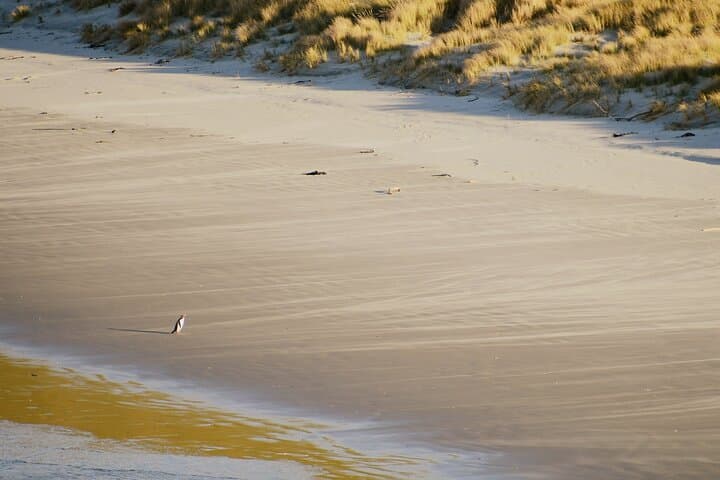
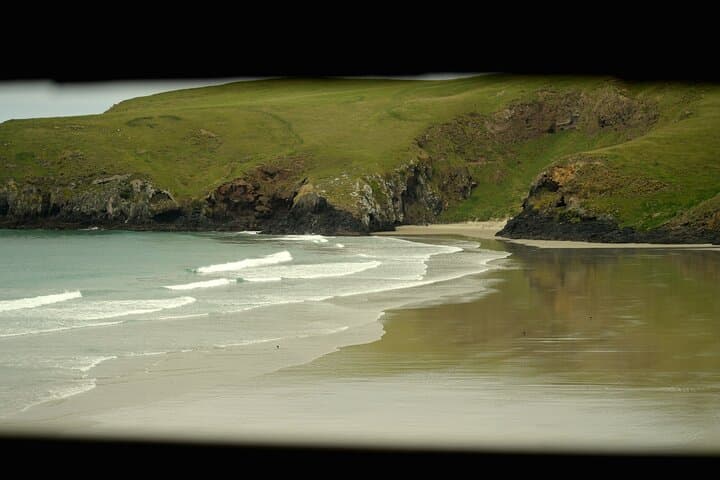
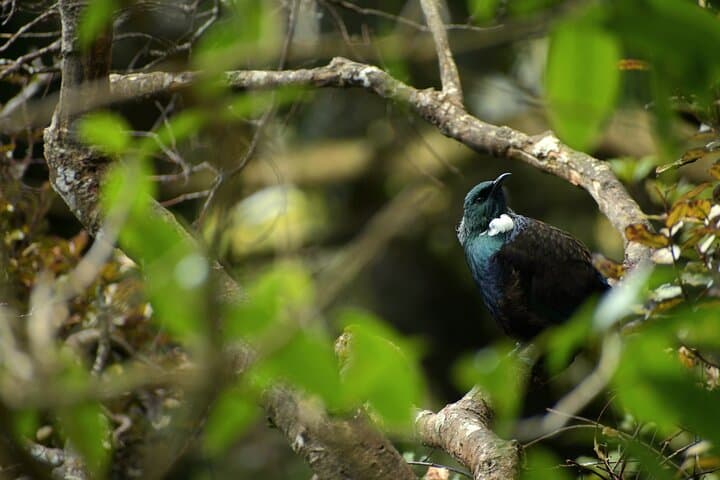
A low sun spills across tussock and scrub as the Otago Peninsula wakes; gulls circle the headlands and the sea pushes white ridges against basalt cliffs that remember volcanic heat. On this guided 90-minute tour you move from a compact theatre briefing into a working rehabilitation centre, then step onto a roughly 2 km (1.25 mi) nature walk inside a private reserve where the endangered yellow-eyed penguin (hoiho) and other coastal species live free.
A low sun spills across tussock and scrub as the Otago Peninsula wakes; gulls circle the headlands and the sea pushes white ridges against basalt cliffs that remember volcanic heat. On this guided 90-minute tour you move from a compact theatre briefing into a working rehabilitation centre, then step onto a roughly 2 km (1.25 mi) nature walk inside a private reserve where the endangered yellow-eyed penguin (hoiho) and other coastal species live free.
The peninsula is a geological outcrop of the ancient Dunedin volcano, its sheltered bays and rocky points shaped by lava flows and marine erosion. Māori long knew these shores for shellfish and bird life; today local conservation groups work alongside guides to protect breeding penguins and restore coastal habitat. The tour supports on-site rehabilitation and education, so your visit directly funds recovery projects.
Expect mixed terrain: short slopes, compacted tracks, and occasional muddy patches. Guides provide binoculars and complimentary waterproof jackets; groups are small (up to 15) and the walk is deliberately quiet to reduce disturbance. Wildlife sightings can’t be guaranteed, but tour timing and habitat access significantly increase odds of seeing hoiho, little penguins, fur seals and shore birds.
Practical notes: wear sturdy walking shoes, dress in layers for coastal wind and spray, carry a small daypack with water and a camera with a quiet shutter. If you have spinal or heart issues, the provider advises caution. Book ahead—this is a conservation-linked, popular outing with limited spaces.