THE ADVENTURE COLLECTIVE® · Independent discovery and booking for outdoor travel

Board Adagio for a 1–2 hour wildlife cruise through Otago Harbour to Taiaroa Head, home to the only mainland Northern Royal Albatross colony. Expect close views, local commentary, and easy departures from Steamer Basin or Back Beach.
Board Adagio for a 1–2 hour wildlife cruise through Otago Harbour to Taiaroa Head, home to the only mainland Northern Royal Albatross colony. Expect close views, local commentary, and easy departures from Steamer Basin or Back Beach.
The boat slips away from the floating jetty and the harbor opens: gulls chatter, cliffs rise to the east and the sea smells of kelp and salt. Onboard Adagio, a small group of up to 18 passengers leans on the rail as the skipper points toward Taiaroa Head — the only mainland breeding colony of the Northern Royal Albatross — where white wings ride the cliff thermals.
Verified experiences and guided adventures in the surrounding area.
Operated by Otago Water Taxis and Tours Ltd · Dunedin, Otago
The boat slips away from the floating jetty and the harbor opens: gulls chatter, cliffs rise to the east and the sea smells of kelp and salt. Onboard Adagio, a small group of up to 18 passengers leans on the rail as the skipper points toward Taiaroa Head — the only mainland breeding colony of the Northern Royal Albatross — where white wings ride the cliff thermals.
Geology here reads like a slow-motion story: volcanic flows and sedimentary cliffs of the Otago Peninsula carve the harbor, creating steep headlands and sheltered bays. Māori and European maritime history is visible in place names, old wharves and sites of past shipwrecks that the guide will reference as you pass. Careys Bay and Back Beach present a quieter human thread — fishing boats, historic hotels and a working shore life framed by birds and sea.
Practically, expect a 60–120 minute tour with commentary, onboard restroom and brief stops for photo and wildlife viewing. Wildlife highlights include albatross in full flight and often seals and shorebirds close to the boat; sightings depend on season and sea conditions. Most departures are from Steamer Basin or Wellers Rock/Back Beach ramps — a 30–40 minute drive from Dunedin depending on the chosen pickup point.
Prepare for wind and spray: layers and secure cameras matter. If you’re prone to seasickness, take precautions ahead of time. Tours run year-round but conditions dictate exact routing and timing; the operator will confirm details in advance. This is a compact, reliable way to see Otago’s coastal wildlife from the water with knowledgeable local commentary and easy access from Dunedin.
easy.
1–2 hours.
Suitable for most fitness levels; you should be able to step down a small boarding gap (~20cm) and stand for viewing periods.
Cruises depart from Steamer Basin (central Dunedin option), Back Beach boat ramp or Wellers Rock Jetty; Wellers Rock is roughly a 35–40 minute drive from Dunedin city center depending on traffic.
Taiaroa Head hosts a mainland Northern Royal Albatross colony and sightings are common, but wildlife is wild — visibility and behavior vary with weather, season and tide.
Guests must step down into the boat (about 20cm) and move across a floating jetty; contact the operator ahead to discuss accessibility needs and boarding assistance.
Yes — infants are allowed but must sit on an adult’s lap per operator policy; bring appropriate clothing and sun protection for young children.
Otago Harbour and the Peninsula have layered histories of Māori occupation and European shipping — the harbour's cliffs and channels are tied to fishing, whaling and several notable shipwrecks.
Taiaroa Head’s albatross colony is actively protected; vessels and visitors are asked to avoid disturbance, keep distance from wildlife, and follow local guidance to minimize impact.
Otago Water Taxis and Tours Ltd operates guided outdoor trips and adventures with an emphasis on safety, stewardship, and memorable experiences.
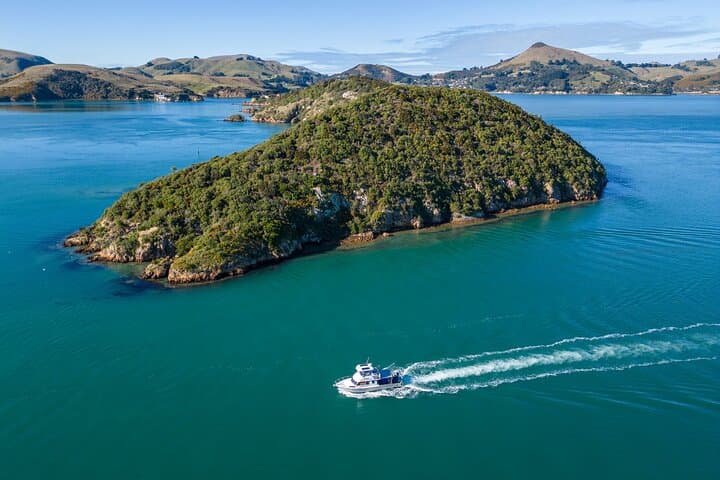
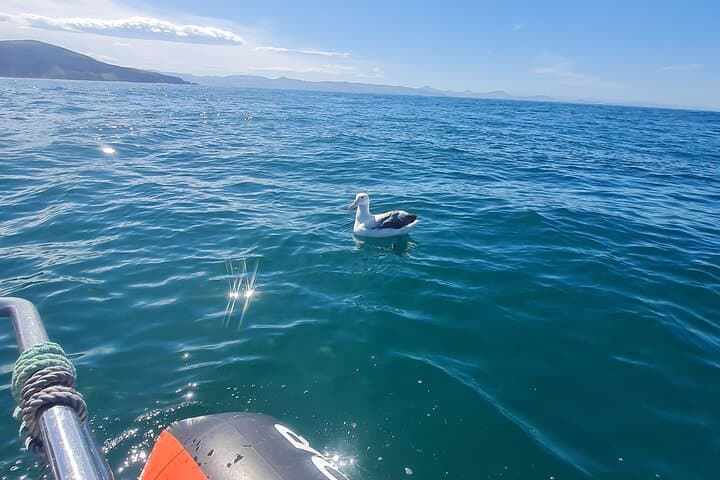
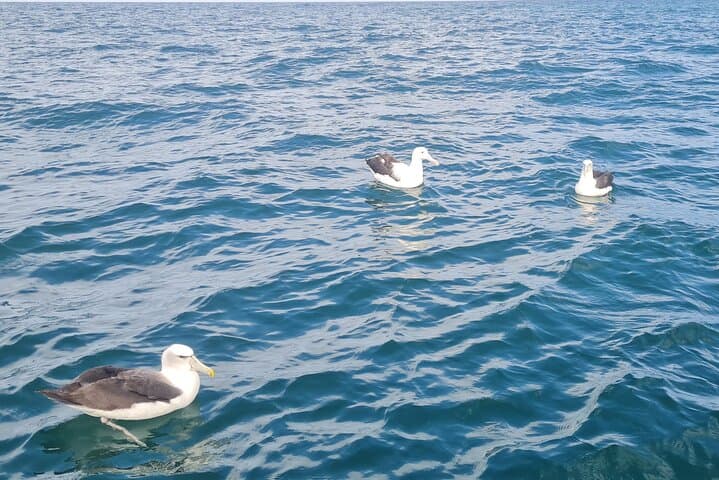
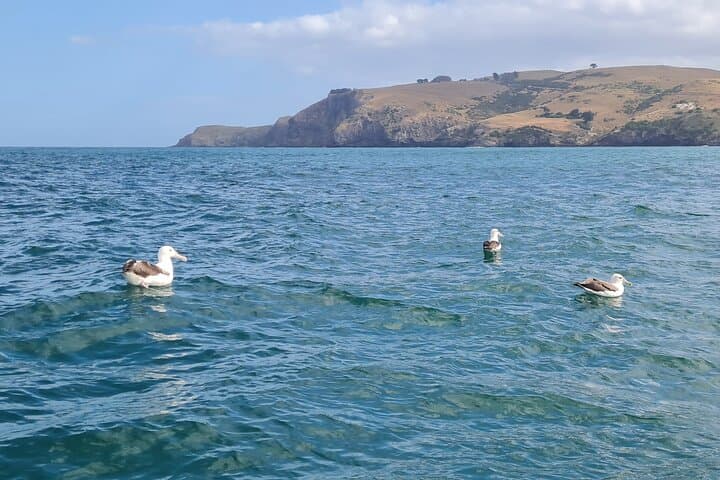
The boat slips away from the floating jetty and the harbor opens: gulls chatter, cliffs rise to the east and the sea smells of kelp and salt. Onboard Adagio, a small group of up to 18 passengers leans on the rail as the skipper points toward Taiaroa Head — the only mainland breeding colony of the Northern Royal Albatross — where white wings ride the cliff thermals.
The boat slips away from the floating jetty and the harbor opens: gulls chatter, cliffs rise to the east and the sea smells of kelp and salt. Onboard Adagio, a small group of up to 18 passengers leans on the rail as the skipper points toward Taiaroa Head — the only mainland breeding colony of the Northern Royal Albatross — where white wings ride the cliff thermals.
Geology here reads like a slow-motion story: volcanic flows and sedimentary cliffs of the Otago Peninsula carve the harbor, creating steep headlands and sheltered bays. Māori and European maritime history is visible in place names, old wharves and sites of past shipwrecks that the guide will reference as you pass. Careys Bay and Back Beach present a quieter human thread — fishing boats, historic hotels and a working shore life framed by birds and sea.
Practically, expect a 60–120 minute tour with commentary, onboard restroom and brief stops for photo and wildlife viewing. Wildlife highlights include albatross in full flight and often seals and shorebirds close to the boat; sightings depend on season and sea conditions. Most departures are from Steamer Basin or Wellers Rock/Back Beach ramps — a 30–40 minute drive from Dunedin depending on the chosen pickup point.
Prepare for wind and spray: layers and secure cameras matter. If you’re prone to seasickness, take precautions ahead of time. Tours run year-round but conditions dictate exact routing and timing; the operator will confirm details in advance. This is a compact, reliable way to see Otago’s coastal wildlife from the water with knowledgeable local commentary and easy access from Dunedin.