THE ADVENTURE COLLECTIVE® · Independent discovery and booking for outdoor travel

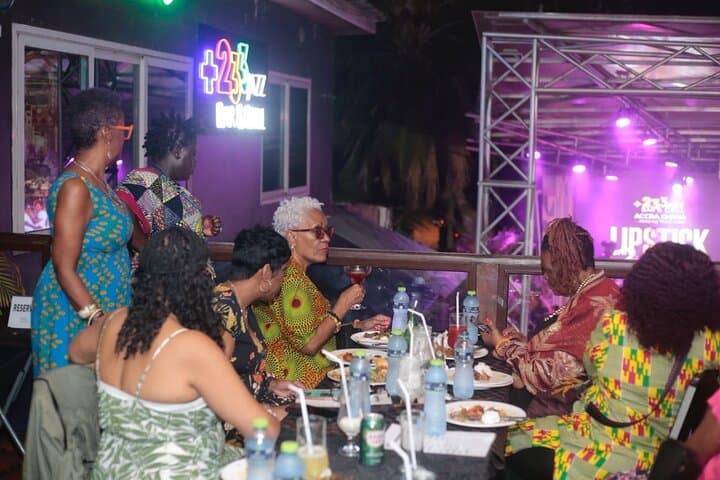
Walk Oxford Street after dark with a local guide and taste the flavors that animate Osu’s night market. This private evening tour pairs street-food tastings with craft browsing and finishes at a lounge with live music.
Walk Oxford Street after dark with a local guide and taste the flavors that animate Osu’s night market. This private evening tour pairs street-food tastings with craft browsing and finishes at a lounge with live music.
By the time the sun drops behind the blocky skyline of Accra, Osu’s Oxford Street wakes like a city that’s decided to keep its pulse after dark. Neon and bare bulbs thread along canopies; the smell of frying palm oil and spices dares you down alleys where cooks flip plantain and skewer meat over open flame. A local guide steers the group through crowded stalls, punctuating stops with stories that make the food and the street feel lived-in rather than staged.
Verified experiences and guided adventures in the surrounding area.
Operated by Hausa Tours · Accra, Greater Accra Region
By the time the sun drops behind the blocky skyline of Accra, Osu’s Oxford Street wakes like a city that’s decided to keep its pulse after dark. Neon and bare bulbs thread along canopies; the smell of frying palm oil and spices dares you down alleys where cooks flip plantain and skewer meat over open flame. A local guide steers the group through crowded stalls, punctuating stops with stories that make the food and the street feel lived-in rather than staged.
Osu began as a Ga coastal neighborhood and evolved through colonial trade into a dense commercial corridor. The geology here is coastal West African plain — red laterite soils give way to paved streets and stretch toward the Gulf of Guinea a few blocks away. The culture is conversational and immediate: vendors call out, musicians tune up in small lounges, and the market’s rhythm is as social as it is commercial.
Expect a four-hour, low-impact walk with multiple food tastings (kelewele, suya, chinchinga, fresh coconut and sobolo are common). You’ll move on foot between clustered stalls and step into a relaxed lounge with live music to end the night. Practicalities: carry local currency for small purchases, wear closed-toe shoes for crowded streets and occasional cooking smoke, and plan pickup/drop-off with your operator. The route is accessible but involves standing and navigating tightly packed areas. Go after 7pm when vendors are busiest; avoid peak traffic hours if your schedule is tight. This tour trades altitude for atmosphere — it’s a sensory evening that puts local foodways and urban social life front and center.
easy.
3–4 hours.
Light walking and standing; suitable for most fitness levels but be able to stand for tasting stops and navigate crowds.
Private transportation options are typically available and should be confirmed at booking; pickup locations can often be set at Accra hotels.
The itinerary often includes several street food tastings and certain entrance fees; confirm specifics with the operator before your tour.
The tour is family-friendly but involves crowds and cooked foods; infants must sit on laps and infant seats may be available — check when booking.
Many sections are on paved roads and accessible, but some stalls and side alleys may be narrow or uneven; notify the operator of accessibility needs in advance.
Osu transformed from a Ga fishing settlement into a commercial hub during colonial trade; Oxford Street emerged as the neighborhood’s principal corridor for commerce and nightlife.
Street markets generate waste; support vendors who minimize single-use plastics, carry a reusable bottle, and dispose of trash in designated bins to reduce litter.
Hausa Tours operates guided outdoor trips and adventures with an emphasis on safety, stewardship, and memorable experiences.

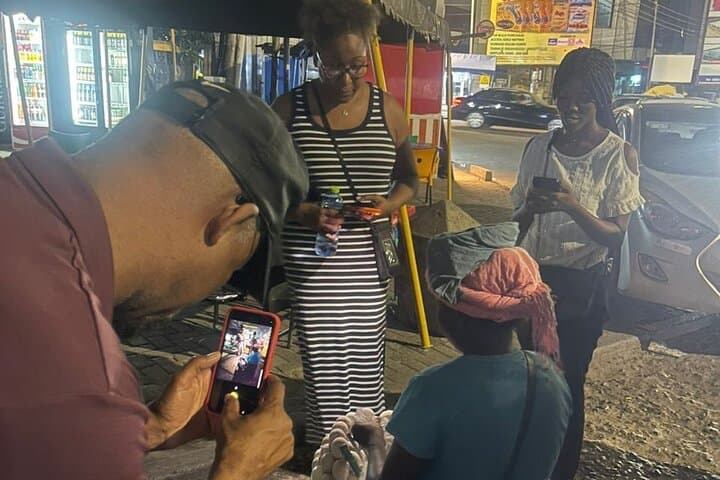

By the time the sun drops behind the blocky skyline of Accra, Osu’s Oxford Street wakes like a city that’s decided to keep its pulse after dark. Neon and bare bulbs thread along canopies; the smell of frying palm oil and spices dares you down alleys where cooks flip plantain and skewer meat over open flame. A local guide steers the group through crowded stalls, punctuating stops with stories that make the food and the street feel lived-in rather than staged.
By the time the sun drops behind the blocky skyline of Accra, Osu’s Oxford Street wakes like a city that’s decided to keep its pulse after dark. Neon and bare bulbs thread along canopies; the smell of frying palm oil and spices dares you down alleys where cooks flip plantain and skewer meat over open flame. A local guide steers the group through crowded stalls, punctuating stops with stories that make the food and the street feel lived-in rather than staged.
Osu began as a Ga coastal neighborhood and evolved through colonial trade into a dense commercial corridor. The geology here is coastal West African plain — red laterite soils give way to paved streets and stretch toward the Gulf of Guinea a few blocks away. The culture is conversational and immediate: vendors call out, musicians tune up in small lounges, and the market’s rhythm is as social as it is commercial.
Expect a four-hour, low-impact walk with multiple food tastings (kelewele, suya, chinchinga, fresh coconut and sobolo are common). You’ll move on foot between clustered stalls and step into a relaxed lounge with live music to end the night. Practicalities: carry local currency for small purchases, wear closed-toe shoes for crowded streets and occasional cooking smoke, and plan pickup/drop-off with your operator. The route is accessible but involves standing and navigating tightly packed areas. Go after 7pm when vendors are busiest; avoid peak traffic hours if your schedule is tight. This tour trades altitude for atmosphere — it’s a sensory evening that puts local foodways and urban social life front and center.