THE ADVENTURE COLLECTIVE® · Independent discovery and booking for outdoor travel

Explore Ostuni’s white streets, olive groves and hidden courtyards on a guided walk that ends with an Apulian aperitif in a garden overlooking the sea. Perfect for travelers who want culture, light exercise and local tasting in one easy outing.
Explore Ostuni’s white streets, olive groves and hidden courtyards on a guided walk that ends with an Apulian aperitif in a garden overlooking the sea. Perfect for travelers who want culture, light exercise and local tasting in one easy outing.
You step out of a sun-warmed alley and the town opens — whitewashed walls bright against the Adriatic sky, a slow climb of cobbles and stone steps guiding you toward a small, tucked-away garden.
Verified experiences and guided adventures in the surrounding area.
Operated by TrippyExperience · Ostuni, Apulia
You step out of a sun-warmed alley and the town opens — whitewashed walls bright against the Adriatic sky, a slow climb of cobbles and stone steps guiding you toward a small, tucked-away garden.
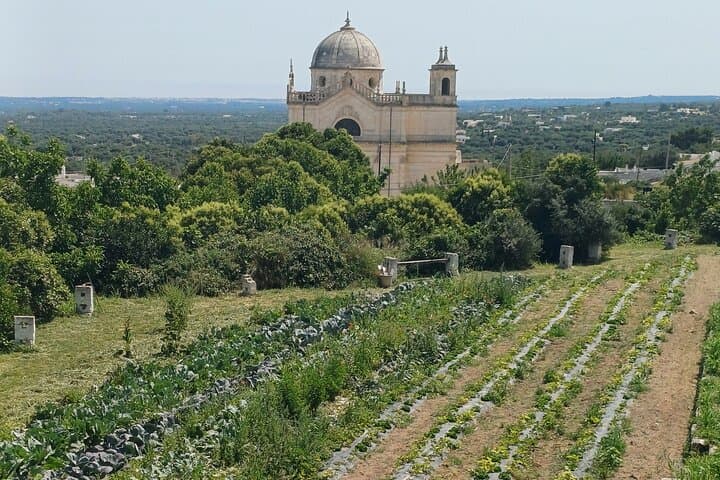
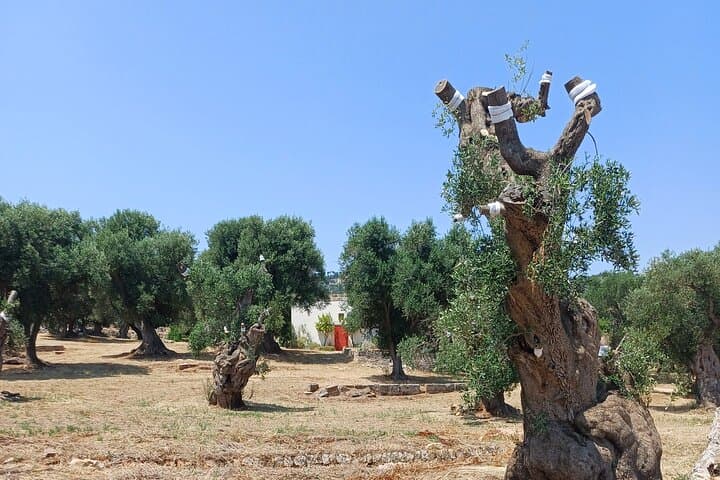
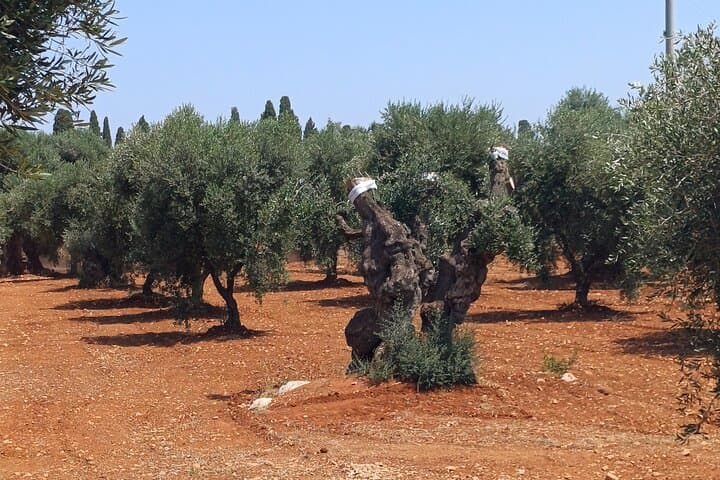
This three-hour walk threads Ostuni’s medieval heart with its agricultural past: olive groves that have shaped local life for millennia, terraces cut into soft calcareous rock, and narrow lanes that once organized defense and trade. Geology here is literal underfoot — compact limestone and tufa that endures the sea wind and holds the town above the plain.
Along the route a guide points to architectural details and everyday culture: the cathedral’s Romanesque façade, private courtyards with citrus and jasmine, and references to Messapian and later medieval influences. Gardens feel like conversations — walls, trees and sea air conspiring to create space for the evening tasting.
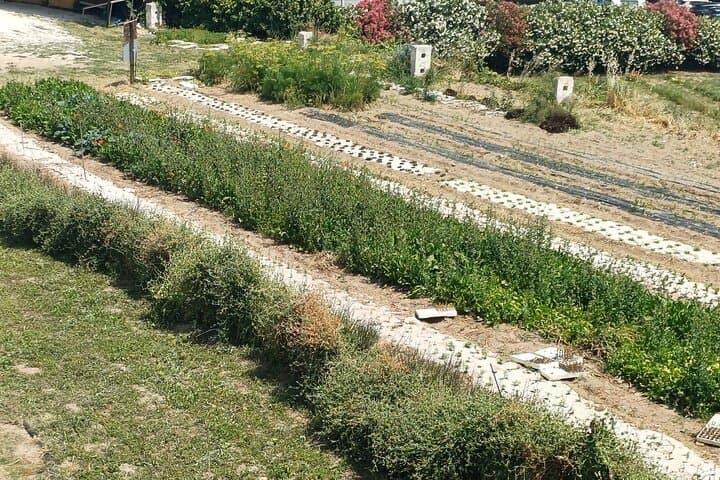
The finale is practical and pleasurable: an aperitif of local bread, sharp olive oil, cured meats and small plates of seasonal produce served in a compact garden with a view over tile roofs to the water. Expect light climbs, cobbled walking, and several flights of steps; the pace is easy but textured by urban stairs and uneven surfaces.
Tips for planning: aim for late afternoon to avoid peak heat and catch golden light; wear sturdy shoes with grip, carry a small water bottle, and bring a light layer for seaside breezes. The experience balances quiet urban exploration with a sensory introduction to Apulian foodways — a short walk that reads like a local primer.
easy.
3–3.5 hours.
Suitable for most fitness levels; involves walking on uneven cobbles and short stair climbs.
Meeting point is in central Ostuni near the historic center; the tour ends at the garden location where the tasting is served.
Yes—it's rated easy but includes cobbles and stairs; those with mobility limitations should check in advance about specific accessibility needs.
Language options vary by operator; confirm at booking—local guides commonly speak Italian and at least one other language such as English.
Most operators can accommodate common dietary needs if informed in advance via the booking’s special requirements field.
Ostuni developed as a fortified hill town with layers of Messapian, Roman and medieval construction; its whitewashed exterior dates to practical lime washes that reflected heat and deterred pests.
Respect private gardens and stay on guided paths to protect fragile dry-stone terraces and cultivated olive groves; prefer local products to support sustainable producers.
TrippyExperience operates guided outdoor trips and adventures with an emphasis on safety, stewardship, and memorable experiences.
You step out of a sun-warmed alley and the town opens — whitewashed walls bright against the Adriatic sky, a slow climb of cobbles and stone steps guiding you toward a small, tucked-away garden.
You step out of a sun-warmed alley and the town opens — whitewashed walls bright against the Adriatic sky, a slow climb of cobbles and stone steps guiding you toward a small, tucked-away garden.
This three-hour walk threads Ostuni’s medieval heart with its agricultural past: olive groves that have shaped local life for millennia, terraces cut into soft calcareous rock, and narrow lanes that once organized defense and trade. Geology here is literal underfoot — compact limestone and tufa that endures the sea wind and holds the town above the plain.
Along the route a guide points to architectural details and everyday culture: the cathedral’s Romanesque façade, private courtyards with citrus and jasmine, and references to Messapian and later medieval influences. Gardens feel like conversations — walls, trees and sea air conspiring to create space for the evening tasting.
The finale is practical and pleasurable: an aperitif of local bread, sharp olive oil, cured meats and small plates of seasonal produce served in a compact garden with a view over tile roofs to the water. Expect light climbs, cobbled walking, and several flights of steps; the pace is easy but textured by urban stairs and uneven surfaces.
Tips for planning: aim for late afternoon to avoid peak heat and catch golden light; wear sturdy shoes with grip, carry a small water bottle, and bring a light layer for seaside breezes. The experience balances quiet urban exploration with a sensory introduction to Apulian foodways — a short walk that reads like a local primer.