THE ADVENTURE COLLECTIVE® · Independent discovery and booking for outdoor travel

Explore Roman ruins, a cliffside monastery and the Zeta river valley on a private day tour from Podgorica. This outing blends cultural history, dramatic geology and local rural life into a single accessible route.
Explore Roman ruins, a cliffside monastery and the Zeta river valley on a private day tour from Podgorica. This outing blends cultural history, dramatic geology and local rural life into a single accessible route.
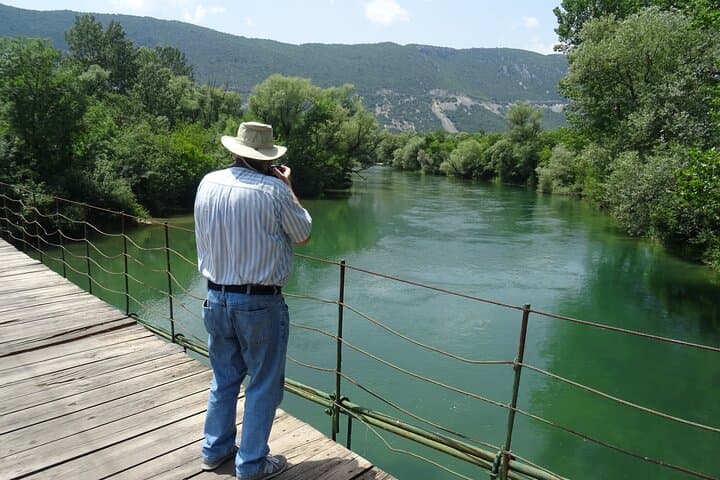
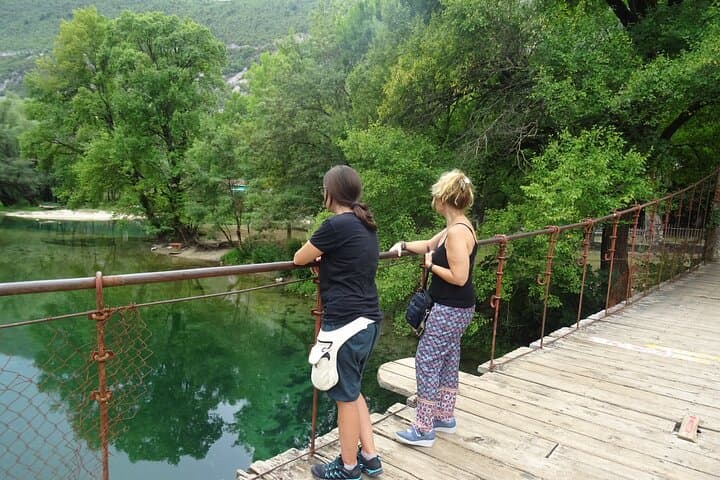
You arrive on a low road and the valley opens—Zeta River drawing a silver line under stone bridges while villages squat on terraces of olive and fig trees. The tour moves with that steady pace: first the scattered stones of Doclea, then the vertical face that holds Ostrog Monastery, and finally a slow drive through a recently declared nature park where old mills and riverbanks punctuate the landscape.
Verified experiences and guided adventures in the surrounding area.
Operated by Natour Montenegro travel agency · Podgorica, Podgorica Municipality
You arrive on a low road and the valley opens—Zeta River drawing a silver line under stone bridges while villages squat on terraces of olive and fig trees. The tour moves with that steady pace: first the scattered stones of Doclea, then the vertical face that holds Ostrog Monastery, and finally a slow drive through a recently declared nature park where old mills and riverbanks punctuate the landscape.
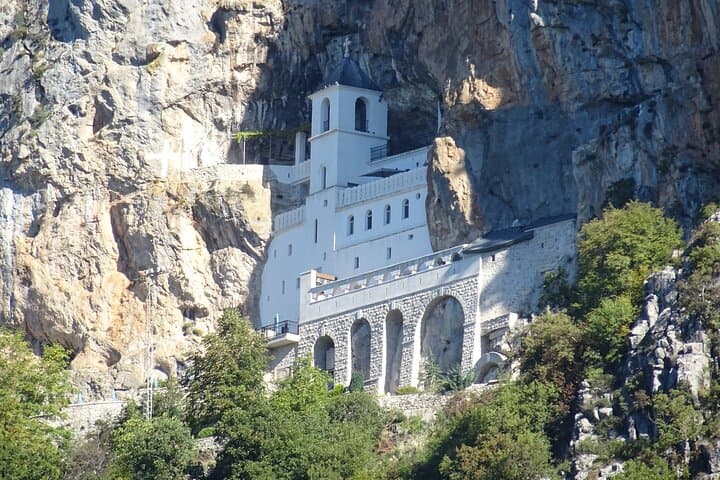
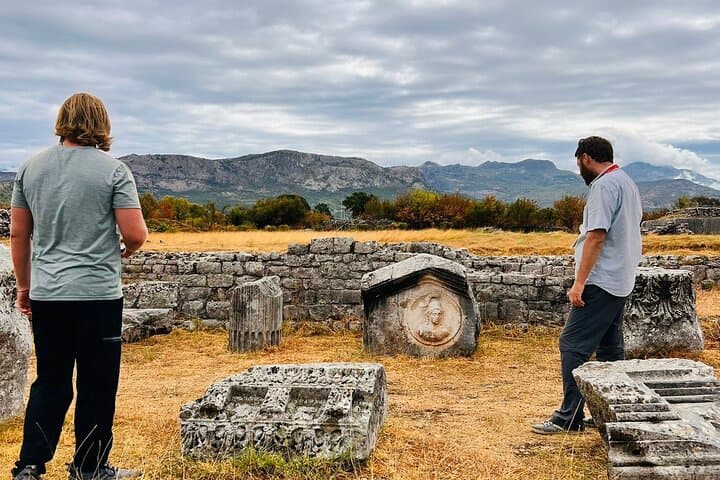
Doclea (Duklja) speaks in fragments of carved capitals, thermal foundations and the grid of a Roman forum; it was once a regional capital in the province of Praevalitana, sited for control of three rivers. Centuries later, Ostrog—founded in the 17th century by Vasilije—clings to a sheer cliff, its white walls and candlelit chapels drawing pilgrims across faiths. Geologically, the route shifts from riverine alluvium in the Zeta valley to karst limestone and vertical schist of Ostrog’s cliffs, a clear change you feel as the road climbs.
Culturally this is rural Montenegro: fig orchards, river mills, and small family producers offering cheese and smoky prosciutto. Expect a day paced around short walks and viewpoints rather than long hikes—terraced fields, mill ruins and lookout points invite lingering.
Practical notes: allow 5–6 hours, bring sturdy shoes for uneven ruins, a refillable water bottle and sun protection; mornings reduce heat at Ostrog and give better light for photos. Vehicle transfers are air-conditioned, and visits can be tailored to mobility limits. Time your trip outside peak summer for cooler conditions and quieter pilgrimage sites.
easy.
5–6 hours.
Suitable for most fitness levels; includes short walks on uneven ground and some stairs at Ostrog.
The private tour runs about 5–6 hours and combines short guided walks (30–90 minutes at sites) with scenic driving between locations.
Parts of Ostrog are steep with many steps; the lower monastery areas are easier to reach, but full access to cliffside chapels may be difficult—ask for route adjustments.
Admission to Ostrog Monastery is included with this tour; local museum or site fees at Doclea may be handled on-site depending on the operator.
Yes—small village producers and roadside vendors often sell figs, cheeses, honey and handcrafts along the Zeta valley route.
Doclea was a Roman city and regional capital in the province of Praevalitana; Ostrog, founded in the 17th century by Vasilije, grew into a major Orthodox pilgrimage site visited across religions.
Zeta Nature Park protects river habitats and traditional agricultural landscapes—stick to paths, avoid disturbing wildlife and support local products to help maintain the area’s mixed-use conservation model.
Natour Montenegro travel agency operates guided outdoor trips and adventures with an emphasis on safety, stewardship, and memorable experiences.
You arrive on a low road and the valley opens—Zeta River drawing a silver line under stone bridges while villages squat on terraces of olive and fig trees. The tour moves with that steady pace: first the scattered stones of Doclea, then the vertical face that holds Ostrog Monastery, and finally a slow drive through a recently declared nature park where old mills and riverbanks punctuate the landscape.
You arrive on a low road and the valley opens—Zeta River drawing a silver line under stone bridges while villages squat on terraces of olive and fig trees. The tour moves with that steady pace: first the scattered stones of Doclea, then the vertical face that holds Ostrog Monastery, and finally a slow drive through a recently declared nature park where old mills and riverbanks punctuate the landscape.
Doclea (Duklja) speaks in fragments of carved capitals, thermal foundations and the grid of a Roman forum; it was once a regional capital in the province of Praevalitana, sited for control of three rivers. Centuries later, Ostrog—founded in the 17th century by Vasilije—clings to a sheer cliff, its white walls and candlelit chapels drawing pilgrims across faiths. Geologically, the route shifts from riverine alluvium in the Zeta valley to karst limestone and vertical schist of Ostrog’s cliffs, a clear change you feel as the road climbs.
Culturally this is rural Montenegro: fig orchards, river mills, and small family producers offering cheese and smoky prosciutto. Expect a day paced around short walks and viewpoints rather than long hikes—terraced fields, mill ruins and lookout points invite lingering.
Practical notes: allow 5–6 hours, bring sturdy shoes for uneven ruins, a refillable water bottle and sun protection; mornings reduce heat at Ostrog and give better light for photos. Vehicle transfers are air-conditioned, and visits can be tailored to mobility limits. Time your trip outside peak summer for cooler conditions and quieter pilgrimage sites.