THE ADVENTURE COLLECTIVE® · Independent discovery and booking for outdoor travel

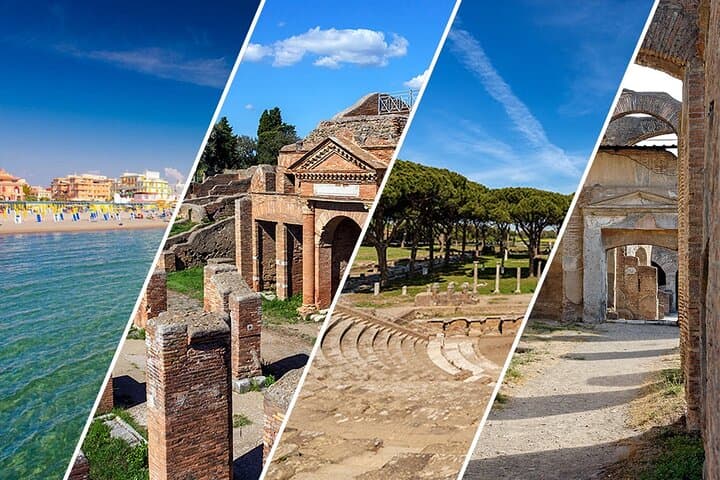
Explore Ostia Antica’s lived-in ruins with an expert guide, then unwind on Ostia’s volcanic-sand beach—private transport from Rome makes this a compact, revealing half-day. Learn history on the stones and cool off by the Tyrrhenian in a single outing.
Explore Ostia Antica’s lived-in ruins with an expert guide, then unwind on Ostia’s volcanic-sand beach—private transport from Rome makes this a compact, revealing half-day. Learn history on the stones and cool off by the Tyrrhenian in a single outing.
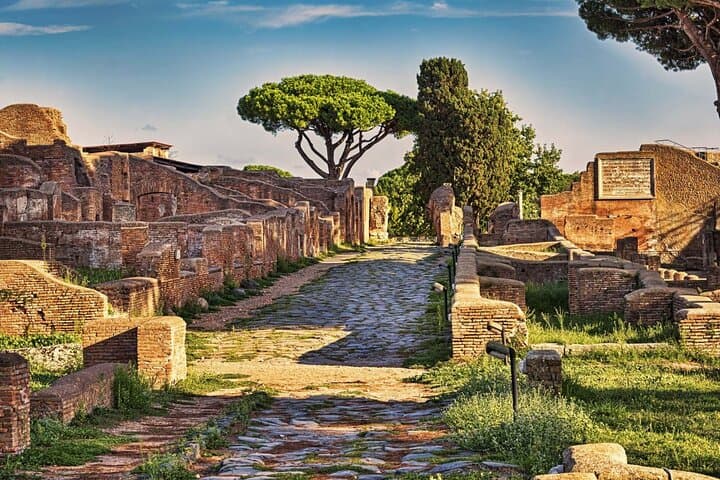
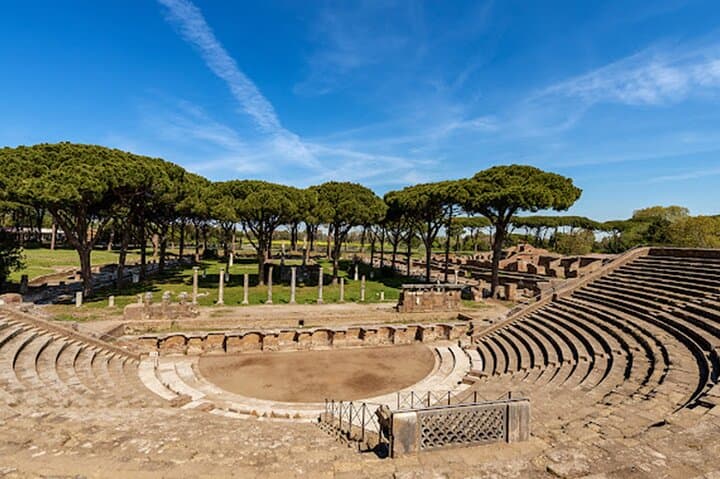
By mid-morning you step out of an air-conditioned vehicle onto sun-warmed cobbles that once carried grain and amphorae to Rome. The ruins of Ostia Antica open like a city frozen mid-rush: colonnaded streets, tiled floors, and frescoed walls that still hold the logic of daily life.
Verified experiences and guided adventures in the surrounding area.
Operated by Maya Tours · Ostia Antica, Lazio
By mid-morning you step out of an air-conditioned vehicle onto sun-warmed cobbles that once carried grain and amphorae to Rome. The ruins of Ostia Antica open like a city frozen mid-rush: colonnaded streets, tiled floors, and frescoed walls that still hold the logic of daily life.
Ostia was Rome's maritime doorway—founded in the Republic era, it grew through the Imperial age as warehouses, baths and temples clustered around a busy harbor now silted inland. Geologically, the plain shows the slow work of the Tiber and coastal sedimentation; the excavations sit about 3 km from today’s shore and roughly 25 km southwest of central Rome.
A professional art-historian guide brings context to the Baths of Neptune mosaics, the garden houses and the small on-site Museo Ostiense, and then you transfer to the nearby sand and low dunes of Ostia Lido. The beach's dark volcanic sand and shallow Tyrrhenian water offer a clear contrast to the stone city—sea breezes daring you to cool off after a long walk.
Practical edge: expect about three hours of archaeological walking on uneven cobbles and packed dirt, minimal elevation change, and easy roadside access for a private vehicle. Wear sturdy walking shoes, sun protection and carry water; restroom facilities are available at the site and on the lido. For photographers, late afternoon light softens mosaics; for heat management, schedule the visit in the cooler morning and transfer to the beach afterward. This half-day pairing is an efficient mix of classical archaeology and coastal respite for travelers based in Rome.
moderate.
5–6 hours.
Moderate fitness—able to walk three hours at a gentle pace on uneven ground with short standing periods
Yes—this private tour includes admission to the archaeological site as part of the guided visit.
Private, air-conditioned transport is included; pickup point is confirmed during booking and options for central Rome pickup are typical.
Parts of the excavations and transport are wheelchair accessible, but many ancient streets and some houses have uneven surfaces that limit full access; contact the operator for detailed accommodations.
Yes—the itinerary includes time at Ostia Lido where you can swim, though seasonal conditions and beach services vary.
Ostia Antica served as ancient Rome's principal port and commercial hub through the Republic and Imperial eras; its preservation gives an unusually complete picture of urban Roman life.
Silting, coastal erosion and visitor impact are ongoing concerns; follow marked paths and avoid touching mosaics to help protect the site.
Maya Tours operates guided outdoor trips and adventures with an emphasis on safety, stewardship, and memorable experiences.

By mid-morning you step out of an air-conditioned vehicle onto sun-warmed cobbles that once carried grain and amphorae to Rome. The ruins of Ostia Antica open like a city frozen mid-rush: colonnaded streets, tiled floors, and frescoed walls that still hold the logic of daily life.
By mid-morning you step out of an air-conditioned vehicle onto sun-warmed cobbles that once carried grain and amphorae to Rome. The ruins of Ostia Antica open like a city frozen mid-rush: colonnaded streets, tiled floors, and frescoed walls that still hold the logic of daily life.
Ostia was Rome's maritime doorway—founded in the Republic era, it grew through the Imperial age as warehouses, baths and temples clustered around a busy harbor now silted inland. Geologically, the plain shows the slow work of the Tiber and coastal sedimentation; the excavations sit about 3 km from today’s shore and roughly 25 km southwest of central Rome.
A professional art-historian guide brings context to the Baths of Neptune mosaics, the garden houses and the small on-site Museo Ostiense, and then you transfer to the nearby sand and low dunes of Ostia Lido. The beach's dark volcanic sand and shallow Tyrrhenian water offer a clear contrast to the stone city—sea breezes daring you to cool off after a long walk.
Practical edge: expect about three hours of archaeological walking on uneven cobbles and packed dirt, minimal elevation change, and easy roadside access for a private vehicle. Wear sturdy walking shoes, sun protection and carry water; restroom facilities are available at the site and on the lido. For photographers, late afternoon light softens mosaics; for heat management, schedule the visit in the cooler morning and transfer to the beach afterward. This half-day pairing is an efficient mix of classical archaeology and coastal respite for travelers based in Rome.