THE ADVENTURE COLLECTIVE® · Independent discovery and booking for outdoor travel

Walk the streets of Ostia Antica and trace the routes of ancient merchants at Rome’s commercial port. This small-group archaeological tour pairs close-up ruins with clear historical context and practical advice for visiting.
Walk the streets of Ostia Antica and trace the routes of ancient merchants at Rome’s commercial port. This small-group archaeological tour pairs close-up ruins with clear historical context and practical advice for visiting.
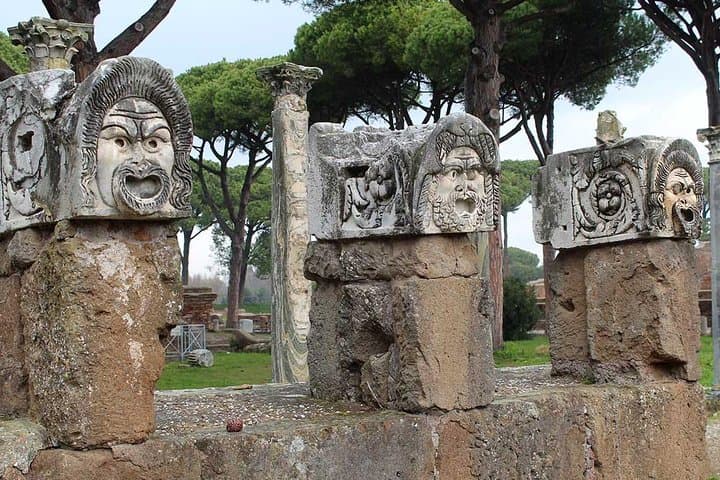
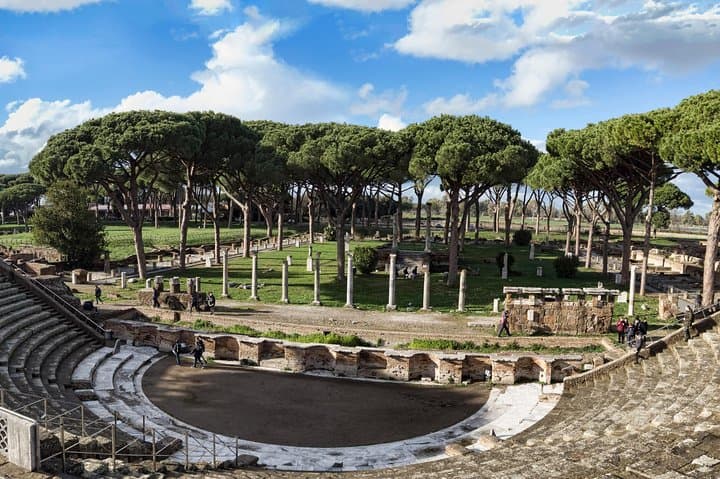
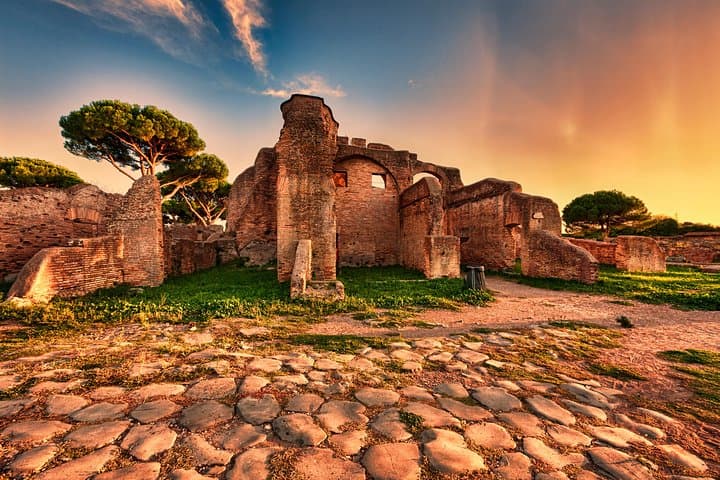
You step through a low stone archway and the city changes: sun-bright limestone, long straight streets, and the hush of columns that once watched traders and tide-born goods arrive. Ostia Antica opens like a ledger of ports—warehouses, guild halls and an outdoor theatre whose stone still carries the shape of applause.
Verified experiences and guided adventures in the surrounding area.
Operated by RomAbout Tours · Ostia Antica, Lazio
You step through a low stone archway and the city changes: sun-bright limestone, long straight streets, and the hush of columns that once watched traders and tide-born goods arrive. Ostia Antica opens like a ledger of ports—warehouses, guild halls and an outdoor theatre whose stone still carries the shape of applause.
Founded as Rome’s principal seaport from the 4th century BCE and bustling through the imperial age, Ostia grew into a dense, working town—estimates of its population reached into the tens of thousands. Geologically the site sits on coastal plain deposits where the Tiber once braided into multiple mouths; that shifting sediment both preserved and buried foundations that archaeologists later revealed. Culturally you’ll see evidence of commerce and daily life: mosaic floors marking shops, graffiti on walls, and the Square of Guilds that organized trade.
This guided, small-group tour (limited to about eight guests) runs roughly 4–4.5 hours and covers key highlights: the Baths of Neptune, the House of Diana, the theatre and the ancient docks. Your guide will explain how trade routes, grain supply and imperial politics shaped the town’s rise and eventual decline as the river and coastline changed.
Practical guidance: wear sturdy walking shoes, bring sun protection and a refillable water bottle, and expect uneven flagstones and open sun. Public transit options can drop you nearby; metro tickets and site entrance are typically included. Aim for morning or late afternoon to avoid midday heat and to catch softer light on the ruins. Respect fenced areas and mosaics—stay on marked paths to help preserve fragile surfaces.
moderate.
4–4.5 hours.
Moderate fitness is recommended: expect several miles of walking on uneven surfaces and brief standing periods while the guide talks.
The tour runs about 4–4.5 hours and visits major highlights including the theatre, Square of Guilds, Baths of Neptune, House of Diana and the ancient port area; entrance fee is usually included.
Take Rome’s subway line B to Piramide then transfer to the local Roma-Lido railway to Ostia Antica station; public transport options are nearby and metro tickets may be included with the tour.
While parents can use strollers in some areas, much of the park has uneven surfaces and steps; travelers should have moderate fitness—ask the operator about specific accessibility needs before booking.
Photography for personal use is permitted across most of the park; there are visitor facilities and restrooms near the entrance and along common routes.
Ostia Antica began as a maritime fortification in the 4th century BCE and expanded into Rome’s primary port; its fortunes rose and fell with changes in river courses and imperial commerce.
The site faces erosion and salt damage from coastal soils; visitors help preservation by staying on marked paths and avoiding contact with fragile mosaics and plaster.
RomAbout Tours operates guided outdoor trips and adventures with an emphasis on safety, stewardship, and memorable experiences.
You step through a low stone archway and the city changes: sun-bright limestone, long straight streets, and the hush of columns that once watched traders and tide-born goods arrive. Ostia Antica opens like a ledger of ports—warehouses, guild halls and an outdoor theatre whose stone still carries the shape of applause.
You step through a low stone archway and the city changes: sun-bright limestone, long straight streets, and the hush of columns that once watched traders and tide-born goods arrive. Ostia Antica opens like a ledger of ports—warehouses, guild halls and an outdoor theatre whose stone still carries the shape of applause.
Founded as Rome’s principal seaport from the 4th century BCE and bustling through the imperial age, Ostia grew into a dense, working town—estimates of its population reached into the tens of thousands. Geologically the site sits on coastal plain deposits where the Tiber once braided into multiple mouths; that shifting sediment both preserved and buried foundations that archaeologists later revealed. Culturally you’ll see evidence of commerce and daily life: mosaic floors marking shops, graffiti on walls, and the Square of Guilds that organized trade.
This guided, small-group tour (limited to about eight guests) runs roughly 4–4.5 hours and covers key highlights: the Baths of Neptune, the House of Diana, the theatre and the ancient docks. Your guide will explain how trade routes, grain supply and imperial politics shaped the town’s rise and eventual decline as the river and coastline changed.
Practical guidance: wear sturdy walking shoes, bring sun protection and a refillable water bottle, and expect uneven flagstones and open sun. Public transit options can drop you nearby; metro tickets and site entrance are typically included. Aim for morning or late afternoon to avoid midday heat and to catch softer light on the ruins. Respect fenced areas and mosaics—stay on marked paths to help preserve fragile surfaces.