THE ADVENTURE COLLECTIVE® · Independent discovery and booking for outdoor travel

Head south from Cebu City for an early-morning, regulated snorkel with the gentle whale sharks of Oslob. This day trip mixes a brief in-water encounter with a longer transfer, local briefing, and clear rules to protect animals and visitors.
Head south from Cebu City for an early-morning, regulated snorkel with the gentle whale sharks of Oslob. This day trip mixes a brief in-water encounter with a longer transfer, local briefing, and clear rules to protect animals and visitors.
A pale dawn lifts off the eastern rim of Cebu and the boat’s outboard breathes into the glassy sea. Within an hour the shoreline of Oslob slides into view: low cliffs, fishing boats, and the small cluster of homestays that stage the morning’s spectacle. The water here doesn’t hide itself; it calls — the whale sharks’ slow mouths opening like tides, drawing snorkelers close for the brief, astonishing encounter.
Verified experiences and guided adventures in the surrounding area.
Operated by Best Guide in Cebu · Oslob, Cebu
A pale dawn lifts off the eastern rim of Cebu and the boat’s outboard breathes into the glassy sea. Within an hour the shoreline of Oslob slides into view: low cliffs, fishing boats, and the small cluster of homestays that stage the morning’s spectacle. The water here doesn’t hide itself; it calls — the whale sharks’ slow mouths opening like tides, drawing snorkelers close for the brief, astonishing encounter.
The practice of feeding whale sharks at Oslob began in the early 2000s as a local livelihood strategy and has since shaped both tourism and community routines. Geologically the coast is limestone and coral flats, with nearby Sumilon’s sandbar a classic example of reef-driven sediment. Culturally, mornings are structured: fishermen, guides, and municipal stewards coordinate to meet regulations and visitors.
Expect a short, guided snorkel—roughly 30 minutes of in-water time per boat—set against a longer day of transfers and briefings. The sea here is warm and clear in dry months, but boat launches depend on weather; operators often cancel in rough conditions. Bring reef-safe sunscreen, a snug snorkel mask, and a waterproof mindset: currents can nudge you toward the action and the animals move of their own accord.
Practical notes: leave Cebu City before sunrise to avoid traffic, confirm the operator’s sustainability rules before booking, and budget time for the drive back. Respect the whale sharks: no touching, no blocking their path. The encounter is short but precise—designed to leave you with a clear memory, not a blurred selfie.
easy.
12 hours.
Basic mobility for short swims and getting on/off a small boat; no advanced fitness required
Guided snorkeling time near the whale sharks is typically about 30 minutes per boat, with additional briefing and transfer time before and after.
No — touching is prohibited. Maintain distance, avoid blocking their path, and follow guide instructions to protect both you and the animals.
Expect roughly a three-hour drive one-way from Cebu City depending on traffic; many operators provide early pickups to make the most of the morning window.
Underwater photography is allowed when it doesn’t disturb animals; drones may be restricted—always check operator and municipal rules before flying.
Whale shark interactions in Oslob evolved from local fishing practices and tourism initiatives in the 2000s; the site has since prompted municipal regulation and community livelihoods.
Local rules limit approach distances and in-water time; choose operators that follow municipal guidelines and use reef-safe sunscreen to reduce ecological impact.
Best Guide in Cebu operates guided outdoor trips and adventures with an emphasis on safety, stewardship, and memorable experiences.
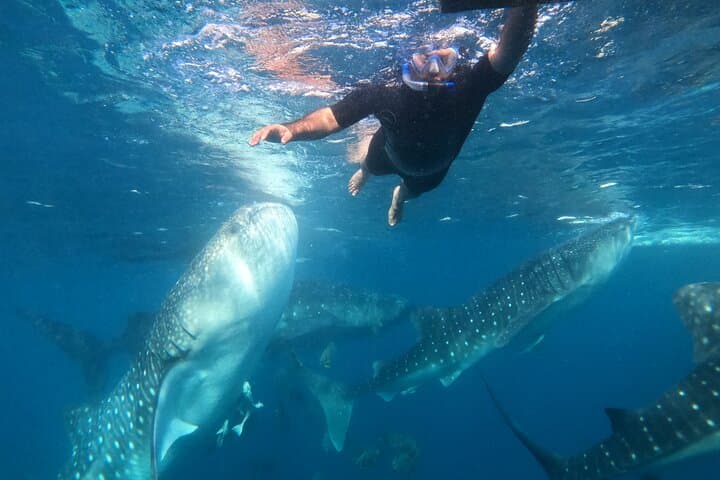
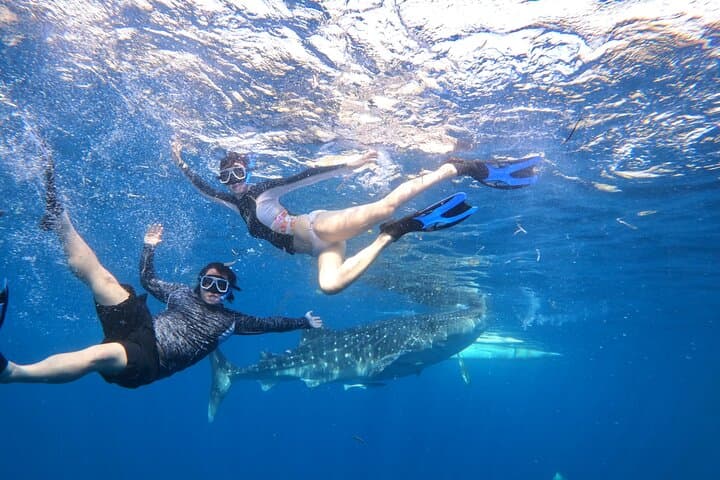
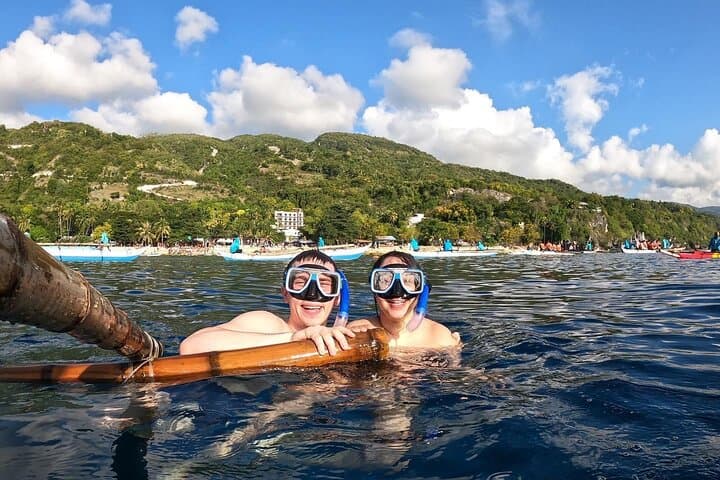
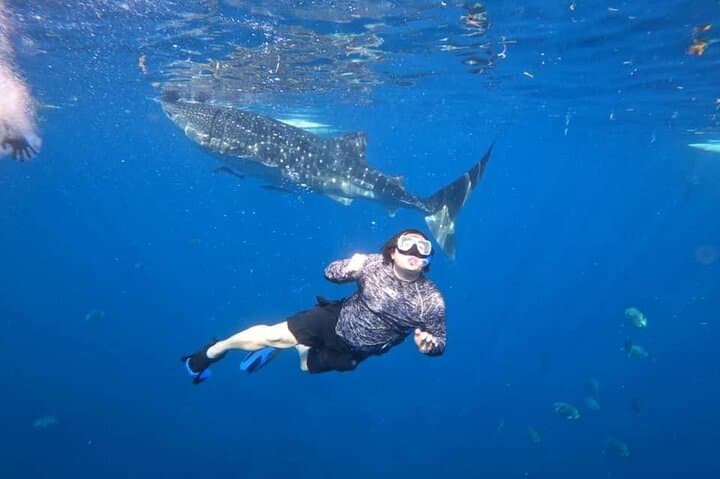
A pale dawn lifts off the eastern rim of Cebu and the boat’s outboard breathes into the glassy sea. Within an hour the shoreline of Oslob slides into view: low cliffs, fishing boats, and the small cluster of homestays that stage the morning’s spectacle. The water here doesn’t hide itself; it calls — the whale sharks’ slow mouths opening like tides, drawing snorkelers close for the brief, astonishing encounter.
A pale dawn lifts off the eastern rim of Cebu and the boat’s outboard breathes into the glassy sea. Within an hour the shoreline of Oslob slides into view: low cliffs, fishing boats, and the small cluster of homestays that stage the morning’s spectacle. The water here doesn’t hide itself; it calls — the whale sharks’ slow mouths opening like tides, drawing snorkelers close for the brief, astonishing encounter.
The practice of feeding whale sharks at Oslob began in the early 2000s as a local livelihood strategy and has since shaped both tourism and community routines. Geologically the coast is limestone and coral flats, with nearby Sumilon’s sandbar a classic example of reef-driven sediment. Culturally, mornings are structured: fishermen, guides, and municipal stewards coordinate to meet regulations and visitors.
Expect a short, guided snorkel—roughly 30 minutes of in-water time per boat—set against a longer day of transfers and briefings. The sea here is warm and clear in dry months, but boat launches depend on weather; operators often cancel in rough conditions. Bring reef-safe sunscreen, a snug snorkel mask, and a waterproof mindset: currents can nudge you toward the action and the animals move of their own accord.
Practical notes: leave Cebu City before sunrise to avoid traffic, confirm the operator’s sustainability rules before booking, and budget time for the drive back. Respect the whale sharks: no touching, no blocking their path. The encounter is short but precise—designed to leave you with a clear memory, not a blurred selfie.