THE ADVENTURE COLLECTIVE® · Independent discovery and booking for outdoor travel

A compact private shore excursion that pairs Oslo’s riverside history with coastal museums on Bygdøy. Walk Nydalen’s industrial-reborn streets, follow Akerselva, then cross to the Kon‑Tiki Museum for maritime adventure history.
A compact private shore excursion that pairs Oslo’s riverside history with coastal museums on Bygdøy. Walk Nydalen’s industrial-reborn streets, follow Akerselva, then cross to the Kon‑Tiki Museum for maritime adventure history.
You step off the quay with a city that still smells faintly of sea and fresh timber — ferries slip past like old friendships and the Akerselva river dares you to follow its green spine into the heart of Oslo.
Verified experiences and guided adventures in the surrounding area.
Operated by Uopera tours · Oslo, Oslo
You step off the quay with a city that still smells faintly of sea and fresh timber — ferries slip past like old friendships and the Akerselva river dares you to follow its green spine into the heart of Oslo.
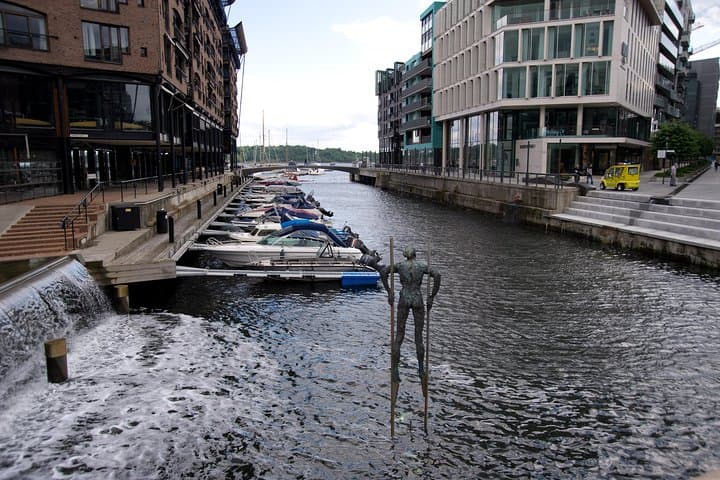
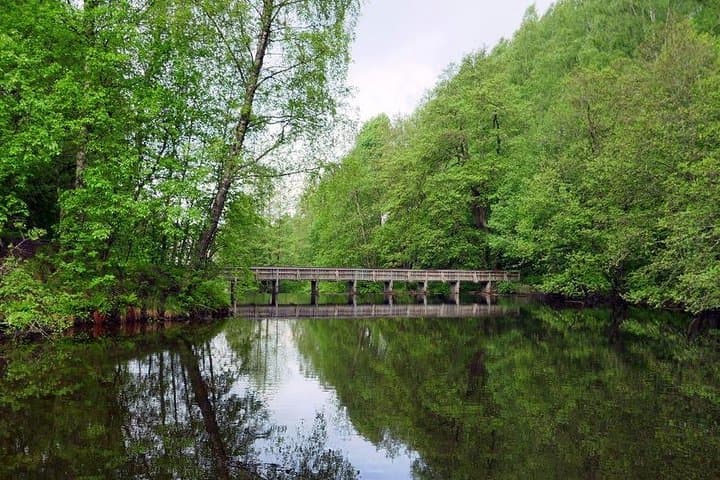
This six-hour private shore excursion threads modern urban renewal, coastal museum culture and a rippling river walk into one compact day. Begin in Nydalen, an industrial quarter reborn as offices, parks and canal-side paths; its brick and glass facades show Oslo’s late-20th-century reinvention. Follow Akerselva downstream and you pass former mills and fish ladders where salmon still make a summer push upstream — the river charts both the geology of the Oslofjord basin and the city’s industrial story.
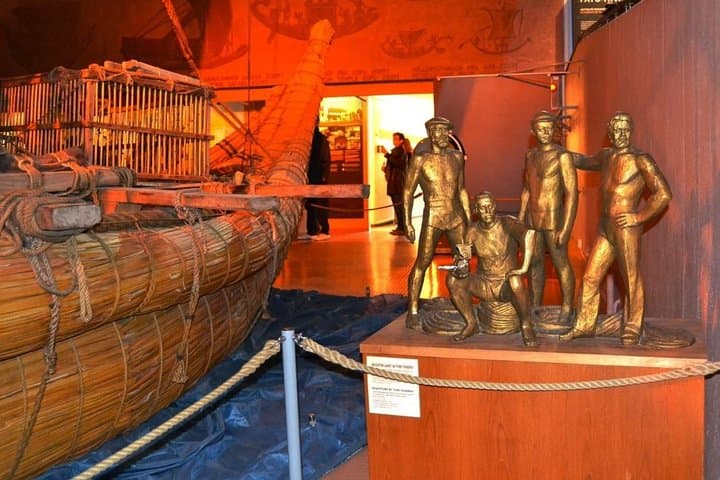
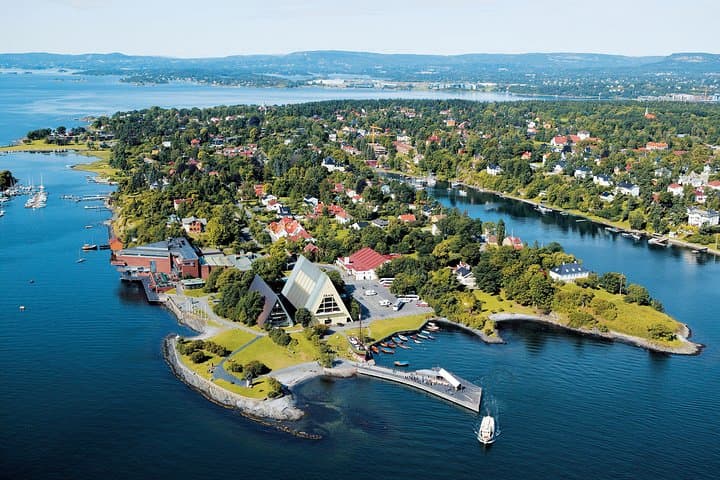
Bygdøy peninsula is next: a short bus and ferry hop to museums set on coastal forest and small beaches. The Kon‑Tiki Museum houses Thor Heyerdahl’s rafts and reed boats — examples of postwar adventure that helped shape Norway’s global cultural footprint.
Expect paved and gravel walking, a few stair sections, and multiple short hops on metro, bus and ferry. The route balances indoor time (museum galleries) with open-air sections along the river and the peninsula’s shoreline, so layers are practical. Bring a day-pass for public transit, comfortable shoes for mixed surfaces, and a weatherproof jacket; ferries run on schedule but are exposed to wind and spray.
Plan arrivals early for light and quieter museums; allow time to watch seagulls and local anglers at the piers — Oslo’s maritime character is part of the excursion.
moderate.
6 hours.
Moderate — able to stand and walk 4–6 miles over mixed surfaces with short stair sections
Yes — the excursion includes skip-the-line entry to the Kon‑Tiki Museum.
Expect several short walks totaling roughly 4–6 miles spread across Nydalen, the Akerselva path and Bygdøy; surfaces are mixed but mostly easy.
A one-way ferry and a day-pass for public transport are included so transfers between sites are covered.
Yes — it’s designed as a shore excursion that returns to the city center by ferry and fits a typical port window, but confirm local embarkation times when booking.
Akerselva powered Oslo’s 19th-century industry; Bygdøy later became a cultural hub where maritime and Viking-era collections preserve Norway’s sea heritage.
Oslo emphasizes sustainable urban transport — using public transit and ferries reduces emissions; visitors are asked to respect shorelines and museum rules to protect coastal habitats.
Uopera tours operates guided outdoor trips and adventures with an emphasis on safety, stewardship, and memorable experiences.
You step off the quay with a city that still smells faintly of sea and fresh timber — ferries slip past like old friendships and the Akerselva river dares you to follow its green spine into the heart of Oslo.
You step off the quay with a city that still smells faintly of sea and fresh timber — ferries slip past like old friendships and the Akerselva river dares you to follow its green spine into the heart of Oslo.
This six-hour private shore excursion threads modern urban renewal, coastal museum culture and a rippling river walk into one compact day. Begin in Nydalen, an industrial quarter reborn as offices, parks and canal-side paths; its brick and glass facades show Oslo’s late-20th-century reinvention. Follow Akerselva downstream and you pass former mills and fish ladders where salmon still make a summer push upstream — the river charts both the geology of the Oslofjord basin and the city’s industrial story.
Bygdøy peninsula is next: a short bus and ferry hop to museums set on coastal forest and small beaches. The Kon‑Tiki Museum houses Thor Heyerdahl’s rafts and reed boats — examples of postwar adventure that helped shape Norway’s global cultural footprint.
Expect paved and gravel walking, a few stair sections, and multiple short hops on metro, bus and ferry. The route balances indoor time (museum galleries) with open-air sections along the river and the peninsula’s shoreline, so layers are practical. Bring a day-pass for public transit, comfortable shoes for mixed surfaces, and a weatherproof jacket; ferries run on schedule but are exposed to wind and spray.
Plan arrivals early for light and quieter museums; allow time to watch seagulls and local anglers at the piers — Oslo’s maritime character is part of the excursion.