THE ADVENTURE COLLECTIVE® · Independent discovery and booking for outdoor travel

A private, 3–4 hour walking tour that threads Oslo’s fjordfront and historic center with local stories, museum options, and insider food and drink tips. Ideal for first-time visitors who want context as well as sights.
A private, 3–4 hour walking tour that threads Oslo’s fjordfront and historic center with local stories, museum options, and insider food and drink tips. Ideal for first-time visitors who want context as well as sights.
You meet your guide where the city exhales into the fjord — the wooden planks of Aker Brygge slick with sea-spray, gulls arguing over the morning catch, and the Opera House’s angled marble roof glinting like a folded page. From here the tour unfurls on foot: a rhythm of cobbled streets and broad promenades, a city that keeps its past visible in plain sight.
Verified experiences and guided adventures in the surrounding area.
Operated by Quality Tours · Oslo, Oslo
You meet your guide where the city exhales into the fjord — the wooden planks of Aker Brygge slick with sea-spray, gulls arguing over the morning catch, and the Opera House’s angled marble roof glinting like a folded page. From here the tour unfurls on foot: a rhythm of cobbled streets and broad promenades, a city that keeps its past visible in plain sight.
Oslo feels both young and ancient. Viking longships sit beneath glass at Bygdøy while the 17th-century Kvadraturen still lays out a mercantile grid. Geologically the city is a terminal moraine on the Oslofjord, ground heaved and smoothed by the last ice age, and the fjord itself dares you to look beyond the palette of slate and sea. Politically and culturally, Oslo repositioned itself in 1814 as Norway’s capital, later rebuilt after the Great Fire of 1624 under King Christian IV; traces of those revolutions live in the façades and the quiet plaques.
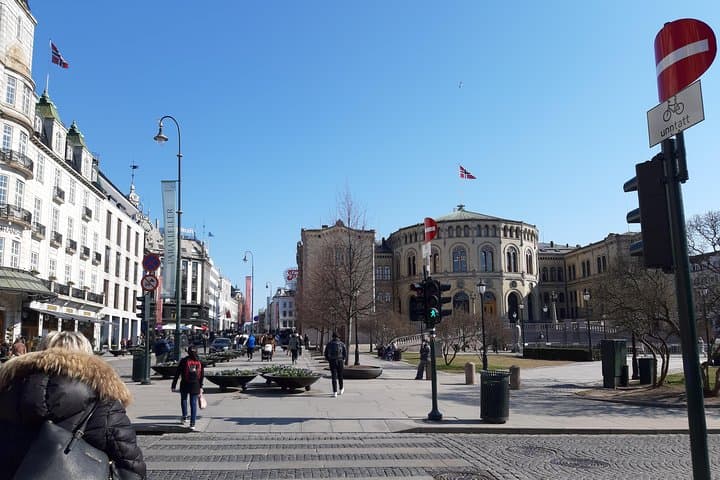
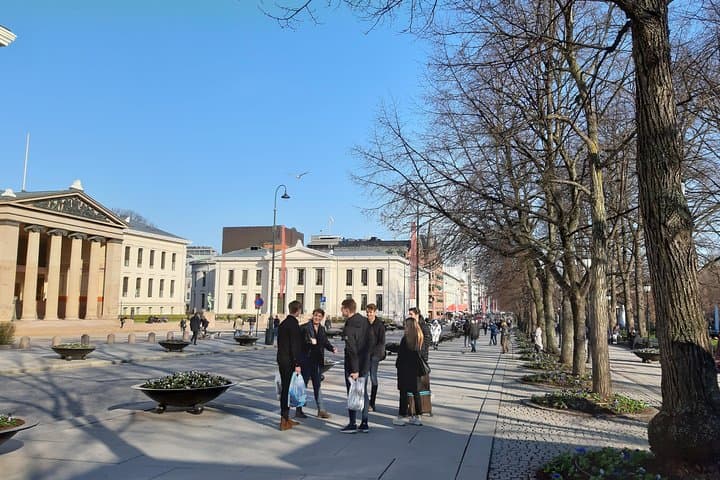
A local guide turns that list of landmarks into a narrative. The Royal Palace is less a photo stop than a chapter about nation-building; the Parliament and City Hall reveal civic art and the odd ritual of the Nobel Peace Prize. Walk past the National Theatre and you’ll hear the cadence of Ibsen street names, then slide into the quieter lanes that lead to coffee shops and family-run bakeries where locals linger.
The tour can include a museum choice. The Viking Ship Museum and the Fram are tactile history, while the National Gallery contains the Munch canvas that still pulls viewers into a colder mood. If you choose Vigeland Park, bronze and granite figures populate broad lawns, offering angles for reflection and photography.
Practicalities anchor the wander. Expect about three to four hours of walking with pauses for stories and photos; the route is mostly pavement with a few historic stones that test ankles. Public transport to Bygdøy museums is easy but not always included; set aside a small fare. Dress in layers — Oslo weather can flip from drizzle to sun in an hour — and bring a transit card if you plan to hop museums.
This is a private walk designed to orient you fast: learn where to eat, where to duck into microbreweries, which museum deserves time, and which viewpoints offer the best light over the fjord. It’s equal parts map and invitation — practical, local, and paced so you leave the city with a sense of direction and the kind of stories you can only collect on foot.
moderate.
3–4 hours.
You should be able to walk and stand intermittently for 3–4 hours, handle short stair sections, and manage uneven paving.
Museum entry is not automatically included; the guide can advise which museums to visit and whether to purchase tickets in advance.
Yes, this private tour is family-friendly and can include stories and stops suitable for children; mention ages when booking.
Many central areas and key sights are wheelchair accessible, but some historic streets have uneven surfaces—contact the supplier to confirm accessibility options.
Food and drink are not included, but the guide will point out recommended cafés, food halls, and restaurants for every budget.
Expect about 3–4 hours of walking with scheduled pauses for photos, coffee, and restroom breaks.
Tipping is discretionary but appreciated; 10–15% is a customary guideline for good private guiding in Oslo.
Oslo traces back to the 11th century, was rebuilt and renamed Christiania after a 1624 fire, and reclaimed the name Oslo in 1925; the city’s layers reflect these political shifts.
Oslo emphasizes low-impact tourism: use public transit, avoid feeding wildlife, and respect sculptures and green spaces to minimize disturbance.
Quality Tours operates guided outdoor trips and adventures with an emphasis on safety, stewardship, and memorable experiences.
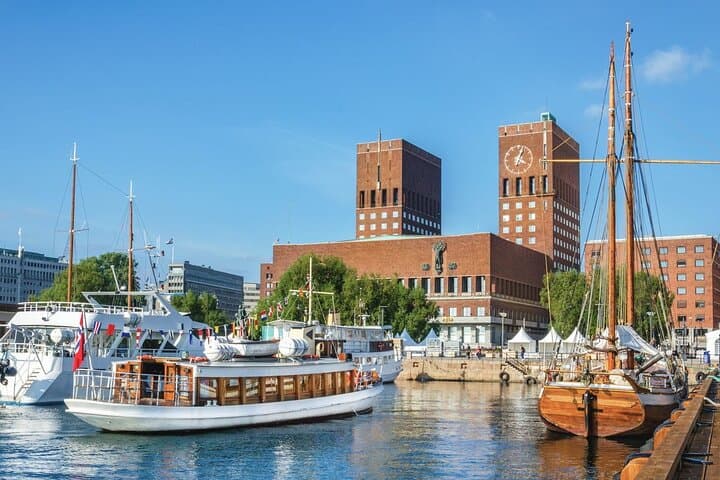
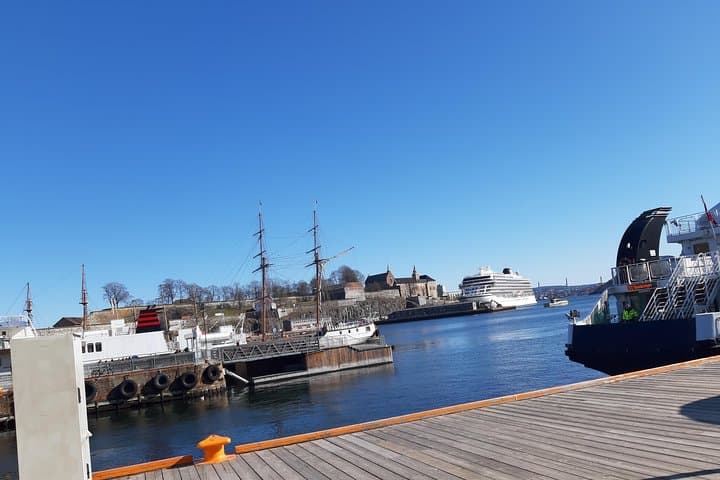
You meet your guide where the city exhales into the fjord — the wooden planks of Aker Brygge slick with sea-spray, gulls arguing over the morning catch, and the Opera House’s angled marble roof glinting like a folded page. From here the tour unfurls on foot: a rhythm of cobbled streets and broad promenades, a city that keeps its past visible in plain sight.
You meet your guide where the city exhales into the fjord — the wooden planks of Aker Brygge slick with sea-spray, gulls arguing over the morning catch, and the Opera House’s angled marble roof glinting like a folded page. From here the tour unfurls on foot: a rhythm of cobbled streets and broad promenades, a city that keeps its past visible in plain sight.
Oslo feels both young and ancient. Viking longships sit beneath glass at Bygdøy while the 17th-century Kvadraturen still lays out a mercantile grid. Geologically the city is a terminal moraine on the Oslofjord, ground heaved and smoothed by the last ice age, and the fjord itself dares you to look beyond the palette of slate and sea. Politically and culturally, Oslo repositioned itself in 1814 as Norway’s capital, later rebuilt after the Great Fire of 1624 under King Christian IV; traces of those revolutions live in the façades and the quiet plaques.
A local guide turns that list of landmarks into a narrative. The Royal Palace is less a photo stop than a chapter about nation-building; the Parliament and City Hall reveal civic art and the odd ritual of the Nobel Peace Prize. Walk past the National Theatre and you’ll hear the cadence of Ibsen street names, then slide into the quieter lanes that lead to coffee shops and family-run bakeries where locals linger.
The tour can include a museum choice. The Viking Ship Museum and the Fram are tactile history, while the National Gallery contains the Munch canvas that still pulls viewers into a colder mood. If you choose Vigeland Park, bronze and granite figures populate broad lawns, offering angles for reflection and photography.
Practicalities anchor the wander. Expect about three to four hours of walking with pauses for stories and photos; the route is mostly pavement with a few historic stones that test ankles. Public transport to Bygdøy museums is easy but not always included; set aside a small fare. Dress in layers — Oslo weather can flip from drizzle to sun in an hour — and bring a transit card if you plan to hop museums.
This is a private walk designed to orient you fast: learn where to eat, where to duck into microbreweries, which museum deserves time, and which viewpoints offer the best light over the fjord. It’s equal parts map and invitation — practical, local, and paced so you leave the city with a sense of direction and the kind of stories you can only collect on foot.