THE ADVENTURE COLLECTIVE® · Independent discovery and booking for outdoor travel

Paddle away from the city on a two-hour guided kayak trip from Sjølyst and see Oslo’s coastline from sea level. Suitable for beginners, the tour combines basic technique instruction with calm island hopping and coastal sights.
Paddle away from the city on a two-hour guided kayak trip from Sjølyst and see Oslo’s coastline from sea level. Suitable for beginners, the tour combines basic technique instruction with calm island hopping and coastal sights.
Stand at the water's edge in Sjølyst and the Oslofjord pulls you out: cool, clear channels threading between low granite islands and sandy beaches. Guides fit you into a kayak and hand over a paddle; the city hums behind you but the water dictates the pace. In two hours you'll trade traffic noise for lapping waves and the small drama of wind and wake.
Verified experiences and guided adventures in the surrounding area.
Operated by Oslo Kayak Tours · Oslo, Oslo
Stand at the water's edge in Sjølyst and the Oslofjord pulls you out: cool, clear channels threading between low granite islands and sandy beaches. Guides fit you into a kayak and hand over a paddle; the city hums behind you but the water dictates the pace. In two hours you'll trade traffic noise for lapping waves and the small drama of wind and wake.
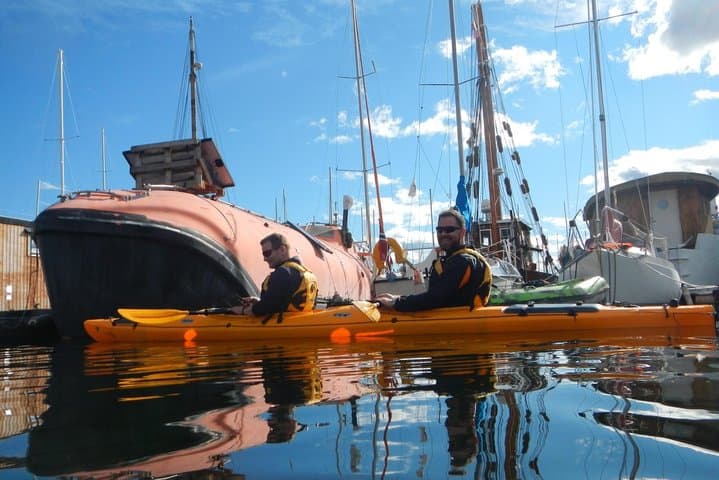
This coastline has been a working shore for centuries — Viking longships once threaded these same lanes and later merchant vessels turned Oslo into Norway’s trading hub. Geologically the fjord is a post-glacial inlet: rounded bedrock outcrops, fine sandy spits and sheltered bays formed as glaciers gouged the landscape and sea levels rose. Culturally you’ll pass houseboats, modern Fornebu architecture and the green, museum-studded peninsula of Bygdøy; guides often point out maritime history with a practical eye.
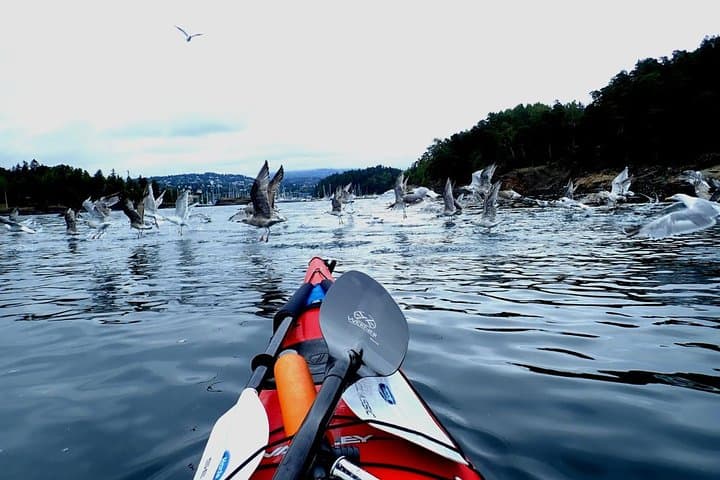
On the water you’ll practice forward strokes, learn edging and how to re-enter a capsized kayak, then push toward small islands and quiet beaches where seals peek and sea birds claim ledges. The guides adapt the route to conditions and group ability, making it approachable for first-timers while still rewarding for experienced paddlers.
Practical notes: arrive 20 minutes early for kit and safety briefing, wear layers that dry quickly, and bring a small waterproof bag for phone and keys. Hydrate before launch; currents and wind can change the outing’s feel, so follow the guide’s local knowledge. This is an active, low-impact way to see Oslo from the water — quiet, CO2-free, and immediately engaging.
easy.
2 hours.
Basic fitness — able to swim and comfortable with light upper-body activity for short bursts; suitable for most beginners.
No — tours include a short instruction session and guides tailor the route to the group’s ability, making it suitable for beginners who can swim.
The company supplies kayaks (singles or doubles), paddles, lifejackets and basic water shoes; bring personal layers and a small dry bag if you have one.
Meet at the base in Sjølyst Marina; arrive 15–20 minutes early for kit fitting and the safety briefing.
Full refund available if you cancel at least 24 hours before departure; tours may be canceled for bad weather or low bookings.
Oslofjord routes have carried Viking ships and centuries of coastal trade; nearby Bygdøy hosts maritime museums that explain the area’s seafaring past.
Operators emphasize low-impact paddling and CO2-neutral activity; avoid landing on bird nesting sites and pack out all waste to protect fragile shorelines.
Oslo Kayak Tours operates guided outdoor trips and adventures with an emphasis on safety, stewardship, and memorable experiences.
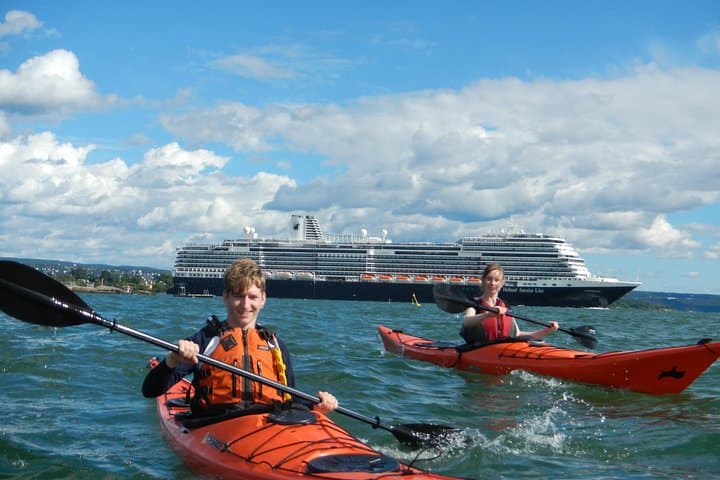
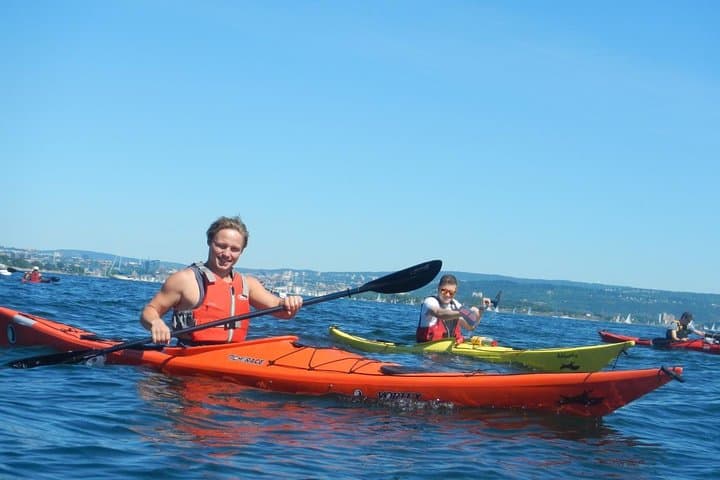
Stand at the water's edge in Sjølyst and the Oslofjord pulls you out: cool, clear channels threading between low granite islands and sandy beaches. Guides fit you into a kayak and hand over a paddle; the city hums behind you but the water dictates the pace. In two hours you'll trade traffic noise for lapping waves and the small drama of wind and wake.
Stand at the water's edge in Sjølyst and the Oslofjord pulls you out: cool, clear channels threading between low granite islands and sandy beaches. Guides fit you into a kayak and hand over a paddle; the city hums behind you but the water dictates the pace. In two hours you'll trade traffic noise for lapping waves and the small drama of wind and wake.
This coastline has been a working shore for centuries — Viking longships once threaded these same lanes and later merchant vessels turned Oslo into Norway’s trading hub. Geologically the fjord is a post-glacial inlet: rounded bedrock outcrops, fine sandy spits and sheltered bays formed as glaciers gouged the landscape and sea levels rose. Culturally you’ll pass houseboats, modern Fornebu architecture and the green, museum-studded peninsula of Bygdøy; guides often point out maritime history with a practical eye.
On the water you’ll practice forward strokes, learn edging and how to re-enter a capsized kayak, then push toward small islands and quiet beaches where seals peek and sea birds claim ledges. The guides adapt the route to conditions and group ability, making it approachable for first-timers while still rewarding for experienced paddlers.
Practical notes: arrive 20 minutes early for kit and safety briefing, wear layers that dry quickly, and bring a small waterproof bag for phone and keys. Hydrate before launch; currents and wind can change the outing’s feel, so follow the guide’s local knowledge. This is an active, low-impact way to see Oslo from the water — quiet, CO2-free, and immediately engaging.