THE ADVENTURE COLLECTIVE® · Independent discovery and booking for outdoor travel

Quiet gardens, an open pavilion and sweeping Annapurna views make the Osho Upaban visit a restorative stop in Pokhara. This 2–3 hour private tour pairs easy walking with cultural and geological context for first-time visitors.
Quiet gardens, an open pavilion and sweeping Annapurna views make the Osho Upaban visit a restorative stop in Pokhara. This 2–3 hour private tour pairs easy walking with cultural and geological context for first-time visitors.
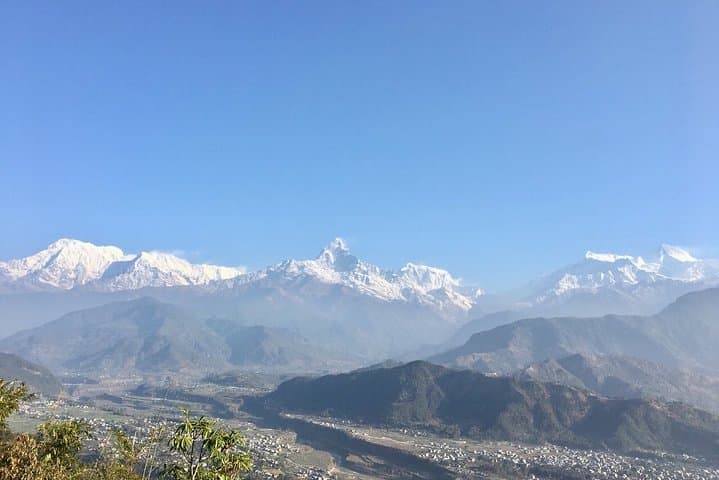
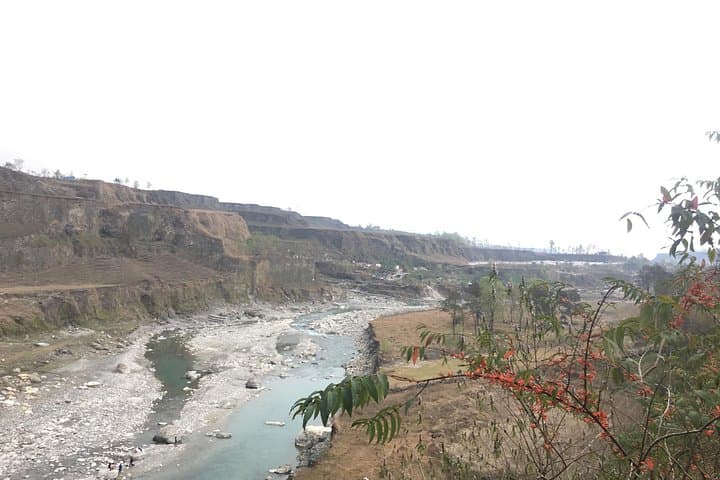
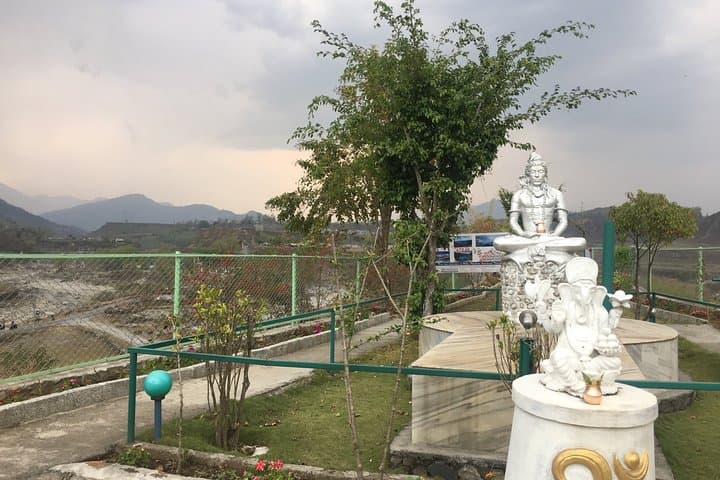
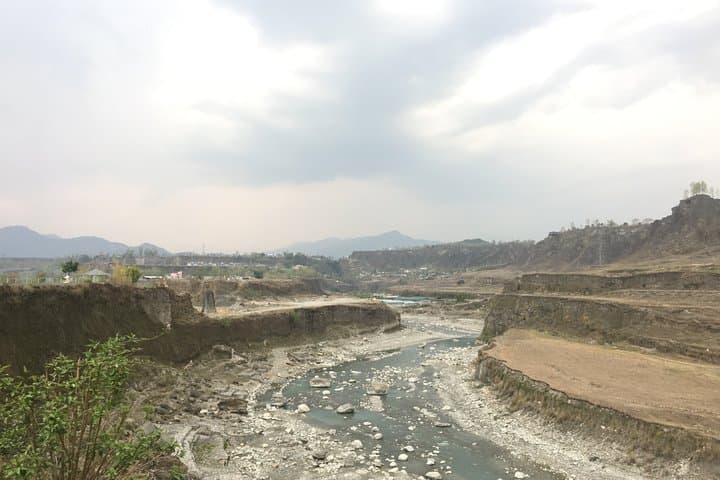
You arrive on a cool Pokhara morning and the air carries the flat, honest scent of river rock and pine. Low clouds lift from the valley, revealing the Annapurna massif like a slow curtain call; below, the Seti River threads silver through carved limestone, daring you to follow its course with your gaze. The Osho Upaban meditation center sits on a gentle rise—gardens, shaded paths and a simple pavilion that focus attention outward to the mountains and inward to breath.
Verified experiences and guided adventures in the surrounding area.
Operated by Swami Narayan Travels Pvt Ltd · Pokhara, Gandaki Province
You arrive on a cool Pokhara morning and the air carries the flat, honest scent of river rock and pine. Low clouds lift from the valley, revealing the Annapurna massif like a slow curtain call; below, the Seti River threads silver through carved limestone, daring you to follow its course with your gaze. The Osho Upaban meditation center sits on a gentle rise—gardens, shaded paths and a simple pavilion that focus attention outward to the mountains and inward to breath.
The site sits in a region shaped by tectonic uplift and glacial sculpting: steep ridgelines drop to river-cut gorges, and terraces that feed local farms show human adaptation to a young, active landscape. Pokhara grew as a trade and pilgrimage hub; today the center draws both international meditators and travelers seeking a quiet viewpoint on the Annapurna range. Nearby the International Mountain Museum offers context on mountaineering history and local Gurung and Magar cultures.
Practicalities anchor the visit: the guided tour runs about 2–3 hours with a 90-minute stop at the center, and transfers are typically private. Paths are mostly paved or compacted earth with minimal elevation change—suitable for most fitness levels and wheelchair accessible. For the best light, aim for early morning or late afternoon when peaks sharpen and winds are calm. Carry water, a light layer for sudden mountain breezes, and give yourself time to sit and let the views settle. The experience is low on exertion and high on perspective—an easy, restorative pause between Pokhara’s lakeside bustle and the high mountain trails beyond.
easy.
2–3 hours.
Suitable for most fitness levels; minimal walking and low elevation change
The private tour lasts roughly 2–3 hours with about 90 minutes at the meditation center.
Yes—transport and on-site pathways are described as wheelchair accessible, though check with your operator about vehicle specifics.
On clear days the center provides excellent views of parts of the Annapurna range; visibility is best in the morning and during the post-monsoon months.
Yes—this private tour typically includes round-trip hotel pickup and drop-off in Pokhara as part of the transfer service.
Pokhara developed as a trading crossroads and gateway to the Annapurna region; local Gurung and Magar communities shaped valley agriculture and cultural practices.
Stay on marked paths to protect fragile terrace soils and riverbanks; avoid littering and use biodegradable products when possible.
Swami Narayan Travels Pvt Ltd operates guided outdoor trips and adventures with an emphasis on safety, stewardship, and memorable experiences.
You arrive on a cool Pokhara morning and the air carries the flat, honest scent of river rock and pine. Low clouds lift from the valley, revealing the Annapurna massif like a slow curtain call; below, the Seti River threads silver through carved limestone, daring you to follow its course with your gaze. The Osho Upaban meditation center sits on a gentle rise—gardens, shaded paths and a simple pavilion that focus attention outward to the mountains and inward to breath.
You arrive on a cool Pokhara morning and the air carries the flat, honest scent of river rock and pine. Low clouds lift from the valley, revealing the Annapurna massif like a slow curtain call; below, the Seti River threads silver through carved limestone, daring you to follow its course with your gaze. The Osho Upaban meditation center sits on a gentle rise—gardens, shaded paths and a simple pavilion that focus attention outward to the mountains and inward to breath.
The site sits in a region shaped by tectonic uplift and glacial sculpting: steep ridgelines drop to river-cut gorges, and terraces that feed local farms show human adaptation to a young, active landscape. Pokhara grew as a trade and pilgrimage hub; today the center draws both international meditators and travelers seeking a quiet viewpoint on the Annapurna range. Nearby the International Mountain Museum offers context on mountaineering history and local Gurung and Magar cultures.
Practicalities anchor the visit: the guided tour runs about 2–3 hours with a 90-minute stop at the center, and transfers are typically private. Paths are mostly paved or compacted earth with minimal elevation change—suitable for most fitness levels and wheelchair accessible. For the best light, aim for early morning or late afternoon when peaks sharpen and winds are calm. Carry water, a light layer for sudden mountain breezes, and give yourself time to sit and let the views settle. The experience is low on exertion and high on perspective—an easy, restorative pause between Pokhara’s lakeside bustle and the high mountain trails beyond.