THE ADVENTURE COLLECTIVE® · Independent discovery and booking for outdoor travel

See Osaka’s biggest draws without juggling trains: an open-top hop-on/hop-off loop linking Osaka Castle, Dōtonbori, Shinsekai and Tempozan. The Wonder Loop is a convenient, wheelchair-accessible way to sample the city in a day.
See Osaka’s biggest draws without juggling trains: an open-top hop-on/hop-off loop linking Osaka Castle, Dōtonbori, Shinsekai and Tempozan. The Wonder Loop is a convenient, wheelchair-accessible way to sample the city in a day.
You settle into an open-top seat as the bus eases away from Hotel New Otani, the city’s pulse unfolding—neon-lit canals, tram bridges skimming the river, and the distant silhouette of Osaka Castle rising above parkland.
Verified experiences and guided adventures in the surrounding area.
Operated by Trevopedia Wonders · Osaka, Osaka Prefecture
You settle into an open-top seat as the bus eases away from Hotel New Otani, the city’s pulse unfolding—neon-lit canals, tram bridges skimming the river, and the distant silhouette of Osaka Castle rising above parkland.
The Wonder Loop stitches modern Osaka to its merchant history: stop at Osaka Castle Park to feel Toyotomi-era stonework and sakura-lined lawns, then ride toward Dōtonbori where meaty kushikatsu smoke and blinking signs narrate a different, boisterous chapter. The route threads industrial waterfront views at Tempozan and the retro streets of Shinsekai, giving a compact cross-section of the city’s geology and development—river plains shaped for commerce, low coastal terraces, and reclaimed bays that host the aquarium and ferris wheel.
Culturally the loop moves quickly between temple precincts, electronics corridors, and shopping arcades; English-speaking guides help orient visitors and point out transfer connections to Universal Studios Japan.
Practical guidance: the full loop runs about 120 minutes, with buses every two hours from roughly 09:15; the pass is an unlimited one-day hop-on/hop-off ticket. Expect short walks from each stop to attractions, some cobbled streets, and heavy foot traffic at peak meal hours. Wheelchair and stroller access is available, but mobility users should plan assistance for boarding.
Timing is everything—start early to hit Osaka Castle in cool morning light, save Dōtonbori for dusk when neon and canal reflections come alive. Carry a compact umbrella, comfortable shoes, and a charged phone for maps and e-voucher redemption.
easy.
2 hours per loop; full day possible with multiple stops.
Suitable for all fitness levels but expect short walks and some stairs at stops
A full loop is about 120 minutes; buses depart roughly every two hours, so you can plan multiple loops or hop off to explore neighborhoods.
Children aged 0–5 ride free if they do not occupy a separate seat; child seats are not provided.
You'll receive an e‑voucher the day before travel—present the mobile or printed voucher at the bus boarding point listed on your ticket.
Yes, the buses and stops are wheelchair accessible, but passengers using mobility equipment should be accompanied for boarding assistance.
Osaka grew as Japan’s commercial heart; Osaka Castle (late 16th century) anchored political power while merchant districts like Dōtonbori shaped a lively urban culture.
Use public transit and the Wonder Loop to reduce car trips; avoid single-use plastics at markets and respect temple precincts and park vegetation.
Trevopedia Wonders operates guided outdoor trips and adventures with an emphasis on safety, stewardship, and memorable experiences.
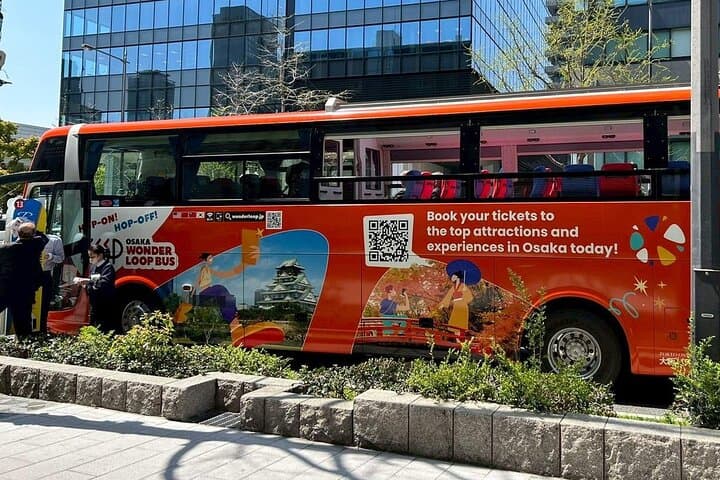

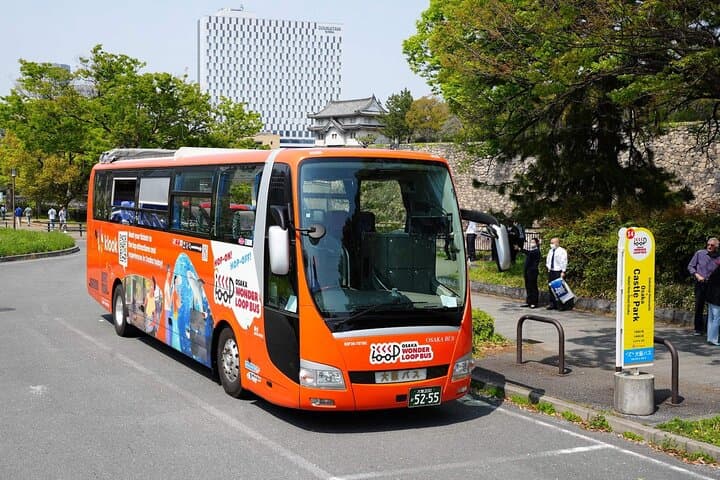
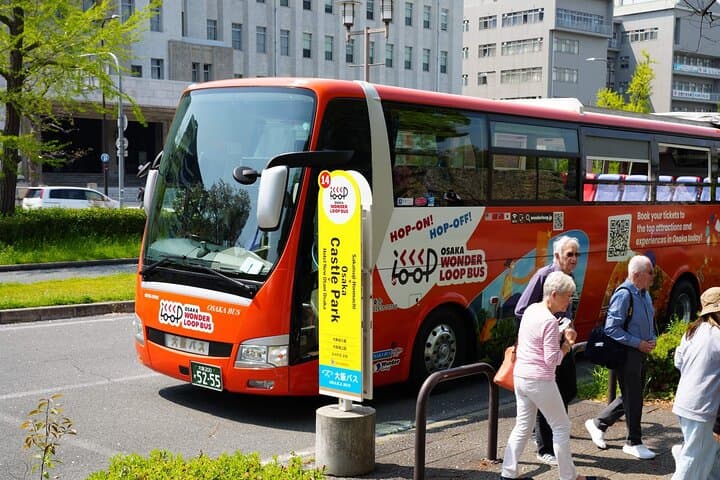
You settle into an open-top seat as the bus eases away from Hotel New Otani, the city’s pulse unfolding—neon-lit canals, tram bridges skimming the river, and the distant silhouette of Osaka Castle rising above parkland.
You settle into an open-top seat as the bus eases away from Hotel New Otani, the city’s pulse unfolding—neon-lit canals, tram bridges skimming the river, and the distant silhouette of Osaka Castle rising above parkland.
The Wonder Loop stitches modern Osaka to its merchant history: stop at Osaka Castle Park to feel Toyotomi-era stonework and sakura-lined lawns, then ride toward Dōtonbori where meaty kushikatsu smoke and blinking signs narrate a different, boisterous chapter. The route threads industrial waterfront views at Tempozan and the retro streets of Shinsekai, giving a compact cross-section of the city’s geology and development—river plains shaped for commerce, low coastal terraces, and reclaimed bays that host the aquarium and ferris wheel.
Culturally the loop moves quickly between temple precincts, electronics corridors, and shopping arcades; English-speaking guides help orient visitors and point out transfer connections to Universal Studios Japan.
Practical guidance: the full loop runs about 120 minutes, with buses every two hours from roughly 09:15; the pass is an unlimited one-day hop-on/hop-off ticket. Expect short walks from each stop to attractions, some cobbled streets, and heavy foot traffic at peak meal hours. Wheelchair and stroller access is available, but mobility users should plan assistance for boarding.
Timing is everything—start early to hit Osaka Castle in cool morning light, save Dōtonbori for dusk when neon and canal reflections come alive. Carry a compact umbrella, comfortable shoes, and a charged phone for maps and e-voucher redemption.