THE ADVENTURE COLLECTIVE® · Independent discovery and booking for outdoor travel

Two hours of downtown Osaka: neon-lined canals, hands-on street food and a private guide who tailors the walk to your interests. Accessible, customizable and ideal for first-time visitors wanting an oriented taste of the city.
Two hours of downtown Osaka: neon-lined canals, hands-on street food and a private guide who tailors the walk to your interests. Accessible, customizable and ideal for first-time visitors wanting an oriented taste of the city.
Step off the train into the pulse of Osaka: neon reflections jitter over the Tombori canal, street vendors call out warming bowls and skewers, and the Glico running man watches the flow. This two-hour private welcome tour threads the old downtown — a compact, sensory-rich stretch where advertising faces seem to step off storefronts and the city’s mercantile past still hums beneath the lights.
Verified experiences and guided adventures in the surrounding area.
Operated by Hero Tour Japan · Osaka, Osaka Prefecture
Step off the train into the pulse of Osaka: neon reflections jitter over the Tombori canal, street vendors call out warming bowls and skewers, and the Glico running man watches the flow. This two-hour private welcome tour threads the old downtown — a compact, sensory-rich stretch where advertising faces seem to step off storefronts and the city’s mercantile past still hums beneath the lights.
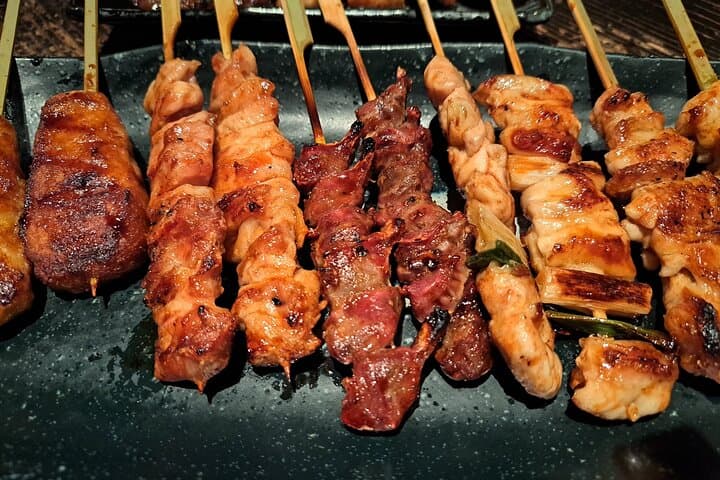
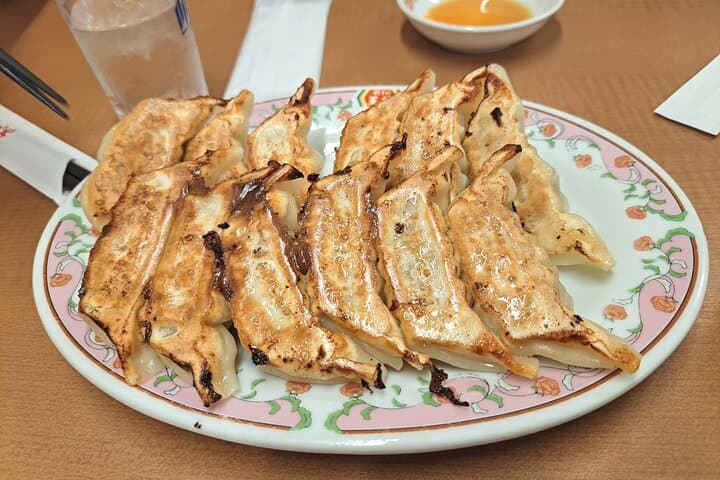
Osaka grew as Japan’s commercial hub, a working port and merchant center from the Edo period through modern industry; the neighborhoods you’ll walk still show that history in narrow alleys, market stalls and the cuisines that fused there. Geologically, the flat plains of the Osaka Bay area make the city easy to walk while channels and bridges carve a quiet, watery geometry through the urban fabric. Culturally, expect lively food culture: takoyaki, kushikatsu and grilled seafood shaped by local tastes and decades of street-level trade.
Practically, the tour is private and customizable — you and your guide decide stops, pacing and meal choices. It’s wheelchair- and stroller-accessible with infant seats available, but not recommended for travelers with spinal or serious heart conditions. Bring cash for small vendors; rush hours are best avoided if you want calmer sidewalks. Aim for late afternoon light for photos and cooler air, wear comfortable shoes, and carry a small water bottle. Guides often meet at a nearby station; confirm details when you book. For a short, high-impact introduction to Osaka, this guided walk pairs local storytelling with hands-on tasting and the kind of neighborhood details you’d miss on your own.
easy.
2 hours.
Light walking on paved city streets; suitable for most fitness levels but expect standing while sampling food
The guide fee covers the guiding service only; food and drinks at stalls and restaurants are paid by participants unless otherwise specified.
Meeting location is arranged with the guide—usually a central subway or train station in the Namba/Dotonbori area; confirm exact spot when you book.
Yes—this tour is advertised as wheelchair- and stroller-accessible, with accessible transportation options and flat surfaces on the route.
Full refund available if you cancel at least 24 hours before the scheduled departure; tours may be canceled in bad weather per policy.
Osaka developed as a merchant and entertainment center from the Edo period onward; Dotonbori and surrounding markets grew around trade routes and rivers.
Support local vendors by avoiding single-use plastics when possible, carry trash until you find disposal, and respect accessibility and crowd rules to minimize impact.
Hero Tour Japan operates guided outdoor trips and adventures with an emphasis on safety, stewardship, and memorable experiences.
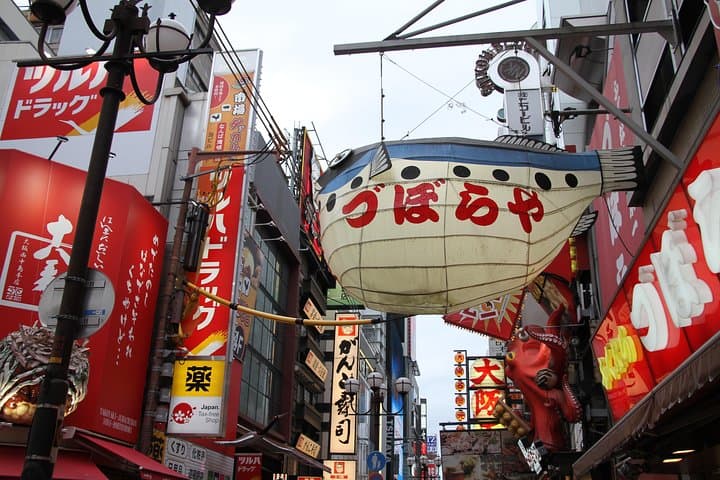
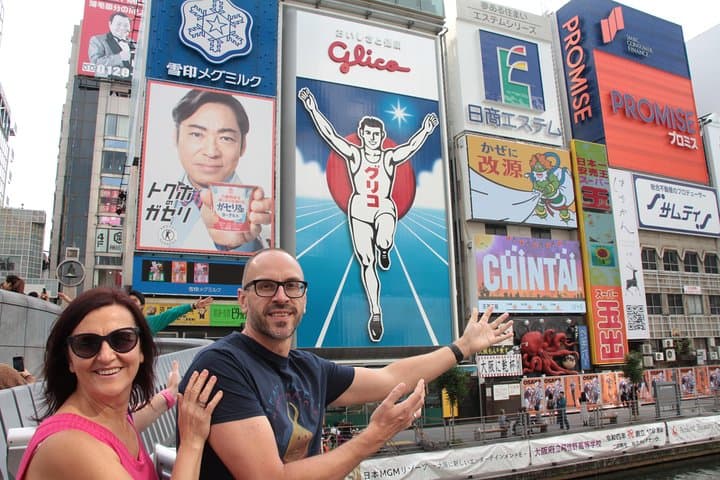
Step off the train into the pulse of Osaka: neon reflections jitter over the Tombori canal, street vendors call out warming bowls and skewers, and the Glico running man watches the flow. This two-hour private welcome tour threads the old downtown — a compact, sensory-rich stretch where advertising faces seem to step off storefronts and the city’s mercantile past still hums beneath the lights.
Step off the train into the pulse of Osaka: neon reflections jitter over the Tombori canal, street vendors call out warming bowls and skewers, and the Glico running man watches the flow. This two-hour private welcome tour threads the old downtown — a compact, sensory-rich stretch where advertising faces seem to step off storefronts and the city’s mercantile past still hums beneath the lights.
Osaka grew as Japan’s commercial hub, a working port and merchant center from the Edo period through modern industry; the neighborhoods you’ll walk still show that history in narrow alleys, market stalls and the cuisines that fused there. Geologically, the flat plains of the Osaka Bay area make the city easy to walk while channels and bridges carve a quiet, watery geometry through the urban fabric. Culturally, expect lively food culture: takoyaki, kushikatsu and grilled seafood shaped by local tastes and decades of street-level trade.
Practically, the tour is private and customizable — you and your guide decide stops, pacing and meal choices. It’s wheelchair- and stroller-accessible with infant seats available, but not recommended for travelers with spinal or serious heart conditions. Bring cash for small vendors; rush hours are best avoided if you want calmer sidewalks. Aim for late afternoon light for photos and cooler air, wear comfortable shoes, and carry a small water bottle. Guides often meet at a nearby station; confirm details when you book. For a short, high-impact introduction to Osaka, this guided walk pairs local storytelling with hands-on tasting and the kind of neighborhood details you’d miss on your own.