THE ADVENTURE COLLECTIVE® · Independent discovery and booking for outdoor travel

Spend three hours traversing Osaka’s contrasts: a 360° rooftop panorama at Umeda Sky Building, a lively subterranean shopping maze, and the retro cafes of Nakazakicho. Perfect for travelers who like compact, walkable urban adventures.
Spend three hours traversing Osaka’s contrasts: a 360° rooftop panorama at Umeda Sky Building, a lively subterranean shopping maze, and the retro cafes of Nakazakicho. Perfect for travelers who like compact, walkable urban adventures.
You step out of JR Osaka Station into a current of commuters, then climb toward a rooftop observatory where the city opens in a 360° sweep—towering office blocks, threading railway lines, and the distant sweep of Osaka Bay. The Umeda Sky Building’s Floating Garden Observatory rewards the ascent with panoramas that show how modern Osaka stacks itself up: glass, steel and arteries of light.
Verified experiences and guided adventures in the surrounding area.
Operated by TripGuru · Osaka, Osaka Prefecture
You step out of JR Osaka Station into a current of commuters, then climb toward a rooftop observatory where the city opens in a 360° sweep—towering office blocks, threading railway lines, and the distant sweep of Osaka Bay. The Umeda Sky Building’s Floating Garden Observatory rewards the ascent with panoramas that show how modern Osaka stacks itself up: glass, steel and arteries of light.
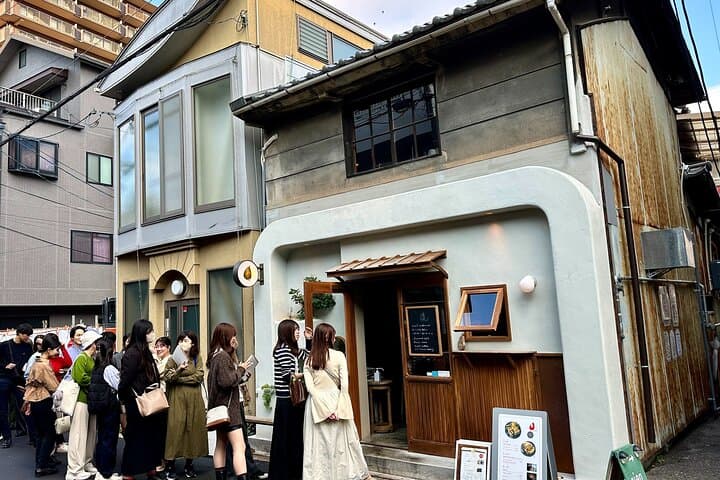
The route then drops below ground into one of the city’s largest underground shopping streets near Umeda—an energetic labyrinth of eateries and local shops where neon signs and steam from ramen bowls compete for attention. The contrast between those subterranean alleys and the retro calm of Nakazakicho is striking: narrow lanes, low wooden houses, small galleries and cafes that survived wartime rebuilding and urban redevelopment.
Historically, Umeda developed as a rail and commercial hub in the 20th century; the Sky Building (completed 1993) intentionally links two towers with an open observatory to frame the skyline. Nakazakicho preserves Showa-era architecture and fosters an artisan culture that feels intentionally small against the city’s scale.
Practical guidance: wear supportive shoes for pavement and stairs, carry a portable charger and a small amount of cash for micro-cafés. The tour covers roughly 3 hours with short walking bursts and some stairs; it suits travelers who enjoy city exploration on foot and photography. Timing your visit near sunset sharpens the skyline colors, while midweek mornings offer quieter lanes in Nakazakicho.
easy.
3 hours.
Light walking; suitable for most people who can walk on pavement and use stairs
Most tours start at JR Osaka Station; exact meeting point and time are provided on your booking voucher—arrive 10 minutes early.
Yes, the entrance fee for the Floating Garden Observatory is included in the tour price.
The tour includes stairs at the observatory and narrow lanes in Nakazakicho, so it’s not fully wheelchair accessible; contact the operator for accommodations.
This particular tour is led in English by a local guide; check the booking page for language options before reserving.
Umeda grew around rail infrastructure and post-war commercial investment; Nakazakicho retains many Showa-era wooden houses that escaped large-scale redevelopment.
Visitors are encouraged to minimize waste, use refillable bottles, and respect narrow residential lanes—keep noise low and pack out trash to protect neighborhood character.
TripGuru operates guided outdoor trips and adventures with an emphasis on safety, stewardship, and memorable experiences.
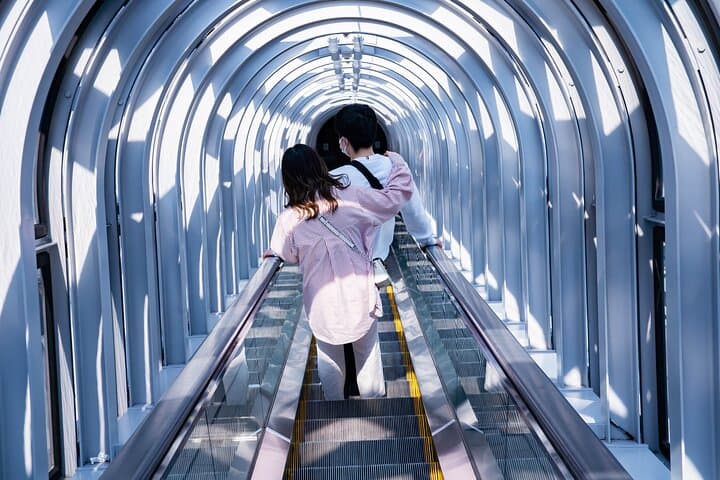
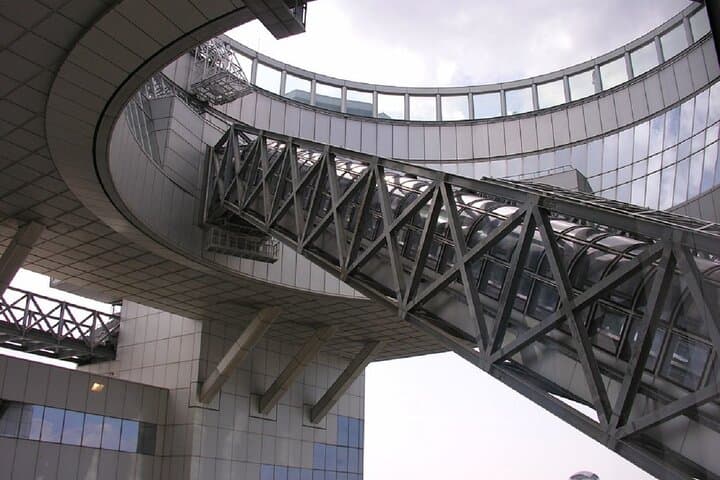
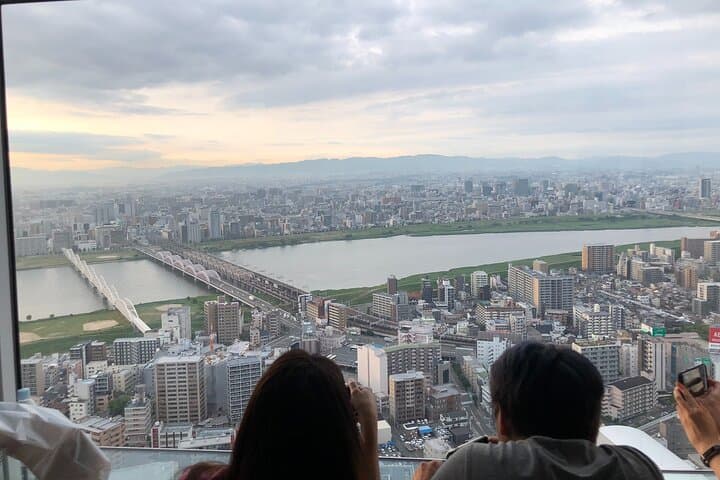
You step out of JR Osaka Station into a current of commuters, then climb toward a rooftop observatory where the city opens in a 360° sweep—towering office blocks, threading railway lines, and the distant sweep of Osaka Bay. The Umeda Sky Building’s Floating Garden Observatory rewards the ascent with panoramas that show how modern Osaka stacks itself up: glass, steel and arteries of light.
You step out of JR Osaka Station into a current of commuters, then climb toward a rooftop observatory where the city opens in a 360° sweep—towering office blocks, threading railway lines, and the distant sweep of Osaka Bay. The Umeda Sky Building’s Floating Garden Observatory rewards the ascent with panoramas that show how modern Osaka stacks itself up: glass, steel and arteries of light.
The route then drops below ground into one of the city’s largest underground shopping streets near Umeda—an energetic labyrinth of eateries and local shops where neon signs and steam from ramen bowls compete for attention. The contrast between those subterranean alleys and the retro calm of Nakazakicho is striking: narrow lanes, low wooden houses, small galleries and cafes that survived wartime rebuilding and urban redevelopment.
Historically, Umeda developed as a rail and commercial hub in the 20th century; the Sky Building (completed 1993) intentionally links two towers with an open observatory to frame the skyline. Nakazakicho preserves Showa-era architecture and fosters an artisan culture that feels intentionally small against the city’s scale.
Practical guidance: wear supportive shoes for pavement and stairs, carry a portable charger and a small amount of cash for micro-cafés. The tour covers roughly 3 hours with short walking bursts and some stairs; it suits travelers who enjoy city exploration on foot and photography. Timing your visit near sunset sharpens the skyline colors, while midweek mornings offer quieter lanes in Nakazakicho.